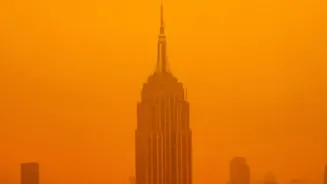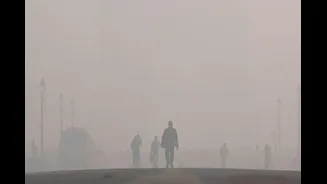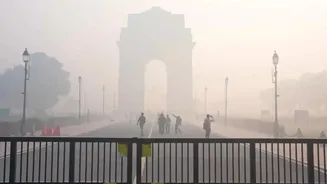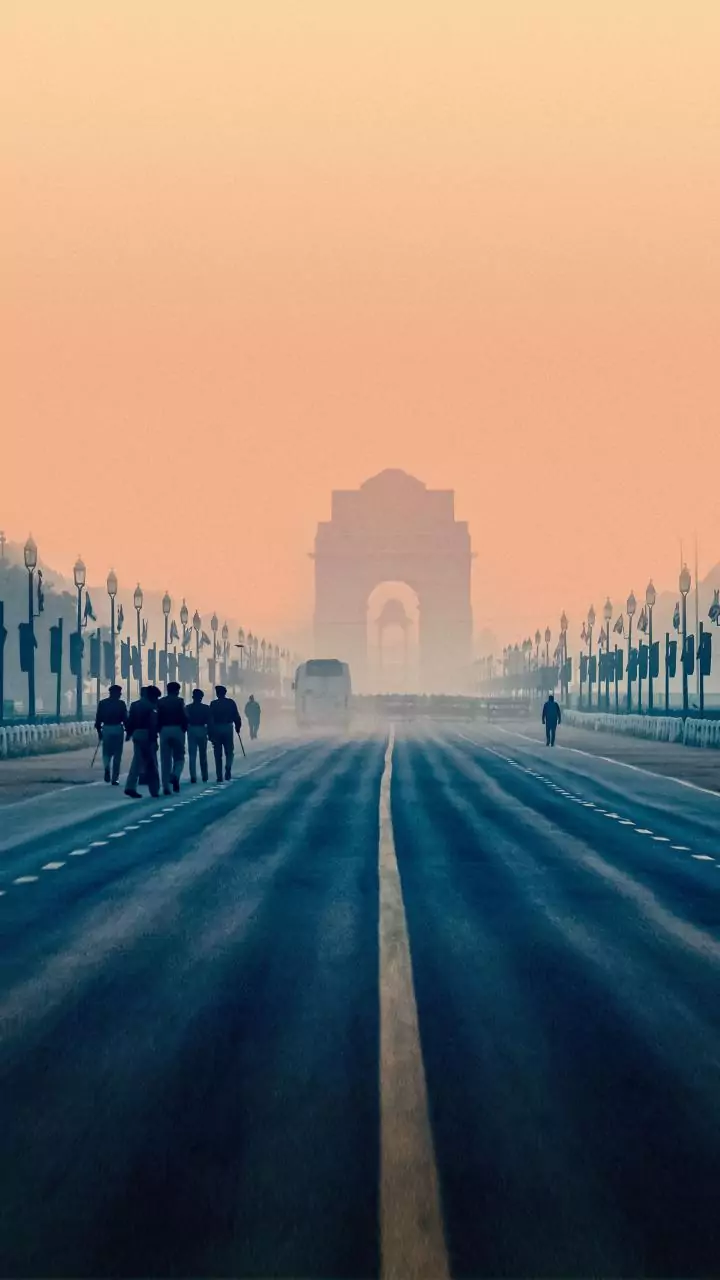






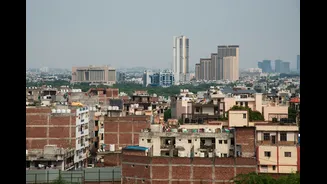
The familiar grey haze has returned. As November progresses, Delhi’s air has once again become a toxic brew, with pollution levels prompting serious medical warnings and forcing residents to confront an annual public health crisis.
A City Under Siege by Smog
This November, Delhi’s
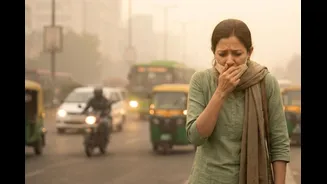
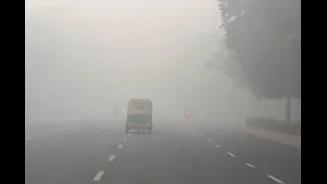
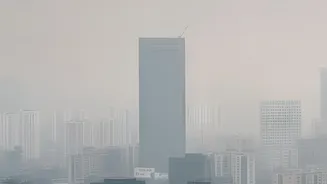
air quality has frequently plunged into the 'Very Poor' and 'Severe' categories, with the Air Quality Index (AQI) regularly soaring past 300 and even 400 in many areas. On November 11, the city's average AQI settled at 303, a level considered 'very poor' and known to cause respiratory illness on prolonged exposure. This isn't just a number; it’s a thick, visible smog that reduces visibility, irritates the eyes and throat, and cloaks the capital in a persistent haze, making it one of the most polluted major cities globally. Even when a slight dip in the AQI is recorded, experts warn it's no cause for celebration, as the concentration of dangerous PM2.5 particles remains dangerously high.
The Perfect Storm: Why November?
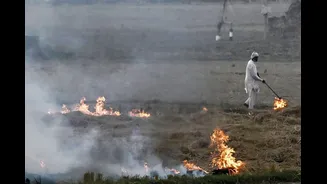
Delhi's winter pollution is not an accident; it's the result of a perfect storm of man-made emissions and meteorological phenomena. As temperatures drop, a process called temperature inversion occurs, where a layer of warm air traps cooler air—and pollutants—close to the ground, preventing them from dispersing. This atmospheric lid is then filled with a cocktail of pollutants from multiple sources. While stubble burning in the neighbouring states of Punjab and Haryana is a significant contributor, it's far from the only culprit. Recent analysis shows that even when the contribution from farm fires decreases, pollution levels remain severe. The largest local contributor to Delhi's PM2.5 pollution is the transport sector, accounting for over half of the city's emissions. This is followed by industrial emissions, construction dust, and waste burning, creating a complex, year-round problem that peaks in winter.
Medical Warnings: A Public Health Emergency
Doctors are sounding the alarm, describing the situation as a public health emergency. Hospitals are reporting a surge in patients with respiratory complaints like persistent coughs, breathing difficulties, and throat irritation. Worryingly, these symptoms are not just affecting those with pre-existing conditions. Doctors report that even young, otherwise healthy individuals are seeking medical advice for pollution-related ailments. Dr. Randeep Guleria, a leading pulmonologist, has cautioned that children, the elderly, and those with heart, lung, or kidney conditions are the most vulnerable. The fine PM2.5 particles are small enough to bypass the body's natural defenses, enter the bloodstream, and cause not only respiratory distress but also cardiovascular problems. The health effects can begin within hours of exposure, making the next few days critical for the city's healthcare system.
The Response: Rules, Restrictions, and Reality
In response to the crisis, authorities have implemented various stages of the Graded Response Action Plan (GRAP). As the air quality worsened, Stage III of GRAP was invoked, bringing with it a ban on non_essential construction and demolition activities and restrictions on the use of older BS_III petrol and BS_IV diesel vehicles in Delhi_NCR. Measures like deploying anti_smog guns and water sprinklers are also being used to suppress dust. However, the effectiveness of these emergency measures is debated. Experts from the Centre for Science and Environment (CSE) point out that reliance on last_minute restrictions highlights the failure of year_round pollution control and that traffic curbs have not significantly reduced congestion.
How to Protect Yourself and Your Family
With systemic solutions falling short, doctors are urging residents to take personal protective measures. The primary advice is to reduce exposure by staying indoors as much as possible, especially during early morning and evening hours when pollution levels are typically at their peak. If stepping out is unavoidable, wearing a well_fitted N95 mask is strongly recommended, as cloth or surgical masks are not effective against fine particulate matter. Doctors also advise against outdoor exercise, suggesting indoor workouts instead until the AQI improves. Using air purifiers at home can help improve indoor air quality, particularly in rooms used by children and the elderly. Staying hydrated and consuming a diet rich in antioxidants and Vitamin C can also help the body combat the oxidative stress caused by pollution.