






The Monsoon's Green Magic
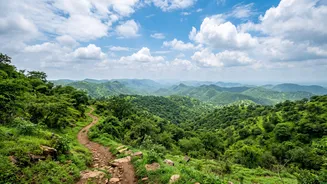
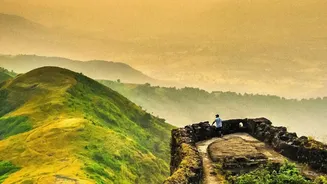
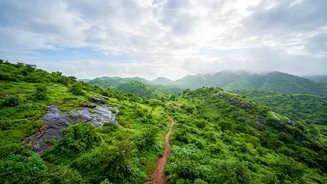
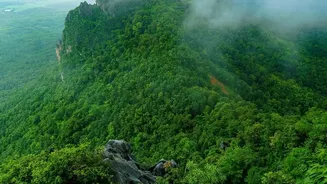
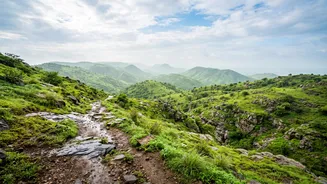
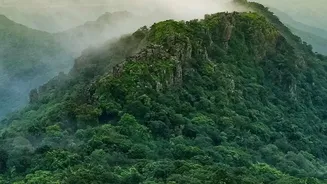
The secret to Jaipur's burgeoning identity as an adventure destination is the monsoon. Between July and September, the arid Aravalli hills that cradle the city undergo a dramatic transformation. What were dry, brown slopes become carpeted in vibrant green,
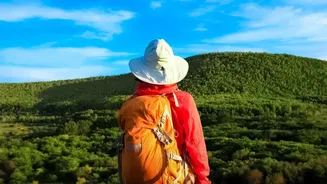
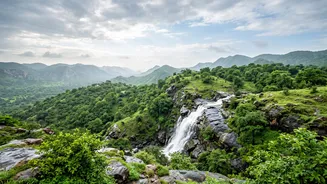
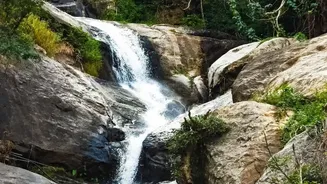
and seasonal waterfalls appear in ravines that lay dormant for the rest of the year. This temporary paradise, coupled with cooler temperatures, has given rise to a thriving trekking culture. Locals and tourists alike are venturing into these hills, discovering a side of the Pink City that feels worlds away from its grand palaces. This shift is driven by a desire for more authentic, less crowded experiences that connect visitors with the region's natural beauty.
Top Trek: Hathni Kund Waterfall
Perhaps the most popular of these monsoon trails is the trek to Hathni Kund. Located about 17 kilometres from the city centre, this trail leads to a stunning seasonal waterfall that cascades into a natural pond. The most common route starts from Charan Mandir, an ancient temple near Nahargarh Fort, and winds through about 1.5 kilometres of forest. The trek is considered relatively easy, making it accessible for beginners and families. During the monsoon, the path is alive with the sounds of birds and the sight of lush flora, culminating in the rewarding view of the falls, a sight only visible during the rainy season.
Spiritual Adventure: Bhuteshwar Nath Mahadev Trek
For those seeking a blend of nature and spirituality, the Bhuteshwar Nath Mahadev trek is an ideal choice. This trail leads to a centuries-old Shiva temple nestled deep within the Aravalli hills near the Nahargarh Biological Park. The trek is moderately difficult, covering around 7 kilometres on a round trip that takes about four to five hours. The path takes you through dense forest and rocky terrain, offering a more secluded and peaceful experience compared to more crowded trails. It’s a journey that rewards hikers not just with panoramic views, but with the tranquil atmosphere of an ancient place of worship.
Beyond The Forts: A New Urban Exploration
The trend of looking for alternative experiences isn't just limited to nature trails. A growing number of travellers are keen to explore 'Jaipur beyond the forts', seeking out the city's lesser-known historical and cultural sites. This movement is about diving deeper into the city's living heritage, from its symmetrical stepwells to its contemporary art spaces. It caters to visitors who have already seen the main attractions or those who simply want a more intimate understanding of the city's soul, away from the main tourist circuit.
Hidden Gem: Panna Meena Ka Kund
Tucked away near Amer Fort, Panna Meena Ka Kund is a 16th-century stepwell that is a masterpiece of symmetrical architecture. Its crisscrossing staircases create a mesmerising geometric pattern, making it a photographer's delight. Historically, stepwells were more than just water reservoirs; they were crucial community hubs where people, especially women, would gather to socialise and escape the summer heat. Visiting this beautifully restored structure offers a quiet moment of reflection and a glimpse into the social fabric of a bygone era, making it a perfect stop for those exploring Amer beyond the fort itself.
Cultural Hub: Jawahar Kala Kendra
For a dose of modern culture, Jawahar Kala Kendra (JKK) is an essential visit. Designed by the renowned architect Charles Correa, this sprawling arts centre is a tribute to Rajasthan's rich arts and crafts. Inspired by the nine-square grid of Jaipur's original city plan, JKK is an architectural marvel in itself. Inside, you'll find art galleries, museums, theatres, and a café. It hosts everything from contemporary art exhibitions to traditional craft workshops and theatre performances, offering a vibrant look at the region's living culture and creative pulse. It stands as a testament that Jaipur's identity is as much about its present as its past.