


The Universal Power of Consistent Practice
Whether you are learning to glide on wheels or flow through ancient forms, the secret to progress is the same: regular practice. Repetition is what transforms conscious effort into unconscious skill. With every session, you are building new neural pathways,
strengthening muscles, and developing what is often called 'muscle memory'. This isn't just about your muscles, but about your brain's ability to automate complex movements. Practice makes permanent whatever you repeat. This is why both a skater and a Tai Chi practitioner must focus not just on doing the moves, but on doing them correctly. The goal of practice is to refine technique, turning clumsy first attempts into graceful, efficient motion.
Practice in Tai Chi: The Internal Journey
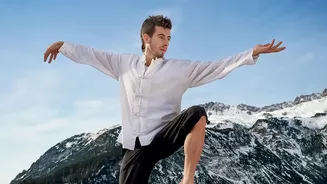
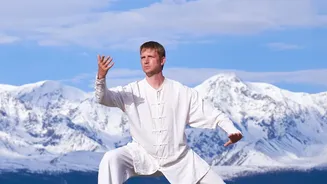
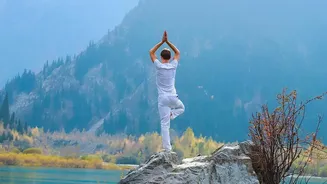
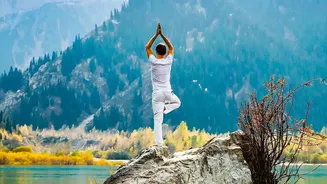
Tai Chi is often described as 'meditation in motion'. Its practice is rooted in slow, deliberate, and continuous movements that are coordinated with deep breathing. The role of regular practice here is to cultivate internal awareness, focus, and stability. A beginner learns a sequence of movements, known as a 'form'. Repetition is key to memorising the form, but the deeper practice involves refining posture, ensuring proper alignment, and understanding the flow of energy, or 'qi'. Unlike exercises that focus on speed or resistance, Tai Chi practice builds core strength through controlled poses and weight shifts. This low-impact discipline improves balance, flexibility, and mental calm, making it a sustainable practice for a lifetime.
Practice in Skating: Mastering Dynamic Balance
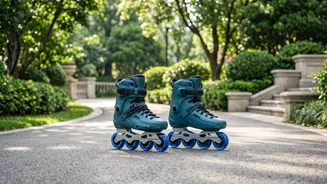
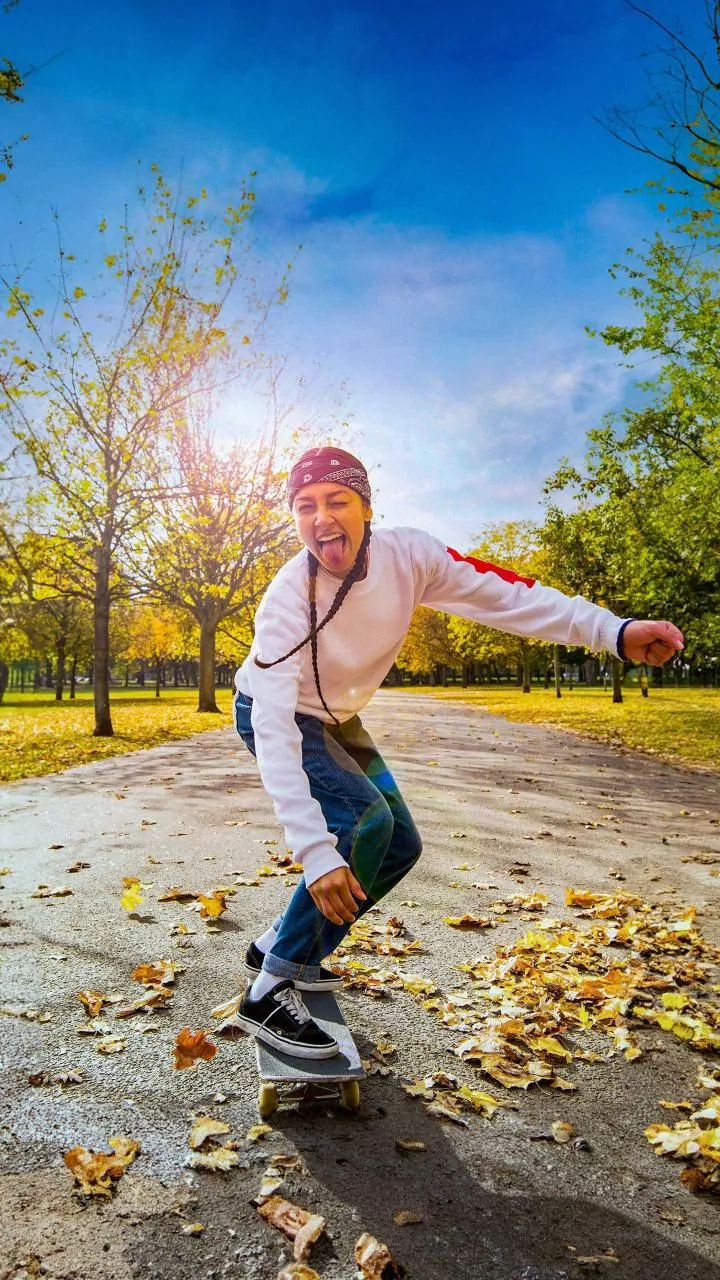
Skating, whether on inline or quad skates, is a dynamic activity that demands constant adjustments to maintain balance while in motion. Regular practice here is about building confidence and control in an unstable environment. The initial focus is on foundational skills: gliding, stopping, and turning. Each practice session reinforces the neural pathways responsible for coordination and balance. As skills progress, a skater's core, legs, and even arms are engaged to generate power and control movement. Practice involves repetition to make these actions second nature, which is crucial for safety and for building a foundation for more advanced skills. The concentration required helps clear the mind, releasing endorphins and reducing stress.
Progression and Mindfulness Compared
Progression in Tai Chi often feels internal. An outside observer might see the same slow form being practiced for years, but the practitioner is deepening their understanding of body mechanics, relaxation, and focus. The practice is about quality of movement over quantity of new skills. Skating, on the other hand, often has more visible milestones. Progress is marked by learning to skate backwards, mastering a crossover turn, or executing a specific trick. While both require mindfulness, the nature of that focus differs. Tai Chi fosters a meditative, internal awareness. Skating demands sharp, external awareness—a focus on the surface ahead, potential obstacles, and the body's immediate response to maintain stability.
Which Practice Is Right for You?
Choosing between skating and Tai Chi depends on your personality and fitness goals. If you seek a low-impact exercise that calms the nervous system and builds stability through slow, mindful repetition, Tai Chi is an excellent choice. It's particularly beneficial for improving balance, reducing stress, and can be adapted for nearly any fitness level. If you are drawn to a more energetic, cardiovascular workout that challenges your reflexes and offers a sense of freedom and speed, skating may be a better fit. It’s a full-body workout that improves coordination and provides a powerful mood boost. Both disciplines, however, share a common truth: the journey of improvement is built one practice session at a time.