

The Spark: A Picture Worth a Thousand Questions
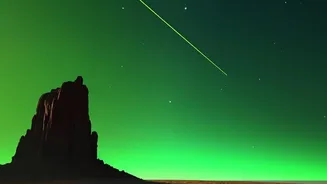
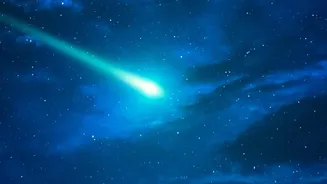
Recently, a stunning long-exposure photograph has been making the rounds, including a feature as NASA's Astronomy Picture of the Day. Captured during a meteor shower, the image showcases a single, bright meteor streaking across the sky, but what makes
it remarkable is the visible shift in its colour along its path. This isn't just a beautiful accident; it's a visual record of physics and chemistry in action, prompting both amateur and seasoned skywatchers to ask: what makes meteors change colour?
A Fiery Plunge
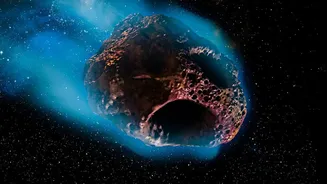
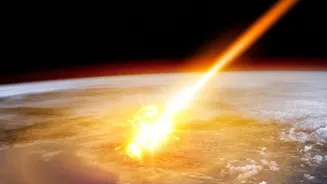
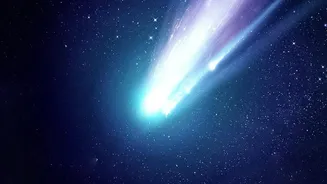
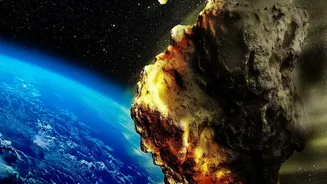
First, let's clarify what a meteor is. Often called a 'shooting star', a meteor is the streak of light we see when a small piece of space debris, called a meteoroid, enters Earth's atmosphere at incredible speed—often many kilometres per second. It's not the rock itself that's on fire in the way a log burns. Instead, the intense speed rapidly compresses the air in front of the meteoroid, heating it to thousands of degrees Celsius. This intense heat vaporizes the meteoroid and excites the air molecules around it, causing both to glow brightly.
A Rainbow of Cosmic Elements
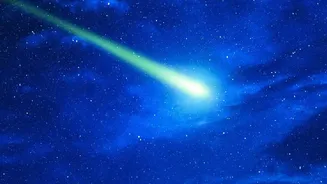
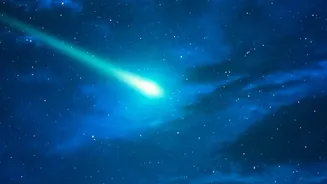
The specific colour of a meteor's glow is a direct clue to its chemical composition, much like a cosmic flame test. Different elements, when vaporized at extreme temperatures, emit light at distinct wavelengths, resulting in different colours. For example, a meteor rich in sodium will produce a bright orange-yellow streak. Iron, a very common component, typically glows yellow. If you spot a vibrant blue-green or even greenish flash, you're likely witnessing the vaporization of magnesium. And a less common but beautiful violet or purple hue points to the presence of calcium.
The Atmosphere Plays a Part
The meteoroid's own elements aren't the only source of colour. The atmosphere itself contributes to the spectacle. The air around the plummeting space rock is primarily made of nitrogen and oxygen. When these atmospheric gases are superheated by the meteor's passage, they can also be excited to the point of glowing, often producing a reddish light. The speed of the meteor can determine which source of colour dominates. Faster meteors tend to show off the colours of their own metallic elements more prominently, while slower ones might allow the red glow of the atmosphere to be more visible.
Why Colours Can Change
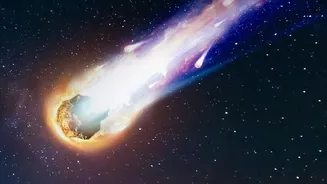
As a meteoroid travels through the atmosphere, its temperature changes, and it begins to break apart. Different elements vaporize at different temperatures. This is why a single meteor, like the one in the recent NASA photo, can appear to change colour. It might start off with one hue as the most volatile elements burn off, then transition to another colour as it gets hotter and deeper layers containing different minerals begin to vaporize. This transition offers a split-second glimpse into the layered composition of a tiny visitor from space.
How to Spot the Colours
To give yourself the best chance of seeing these celestial colours, planning is key. Find a location far from city lights, as light pollution can wash out the fainter hues. Allow your eyes at least 20 to 30 minutes to fully adapt to the darkness; this will dramatically increase your ability to perceive colour. While you can spot a stray meteor on any clear night, your odds increase dramatically during a major meteor shower, like the Perseids in August or the Geminids in December. The streaks from these events are often brighter and more numerous, providing a spectacular, multi-coloured display against the dark canvas of the night sky.