




What Kitchen Tests Can Actually Detect
Simple DIY tests for spices, often shared online and recommended by food safety bodies like FSSAI for consumer awareness, are designed to catch crude, physical adulterants. When you add cumin powder to a glass of water, you're looking for things that
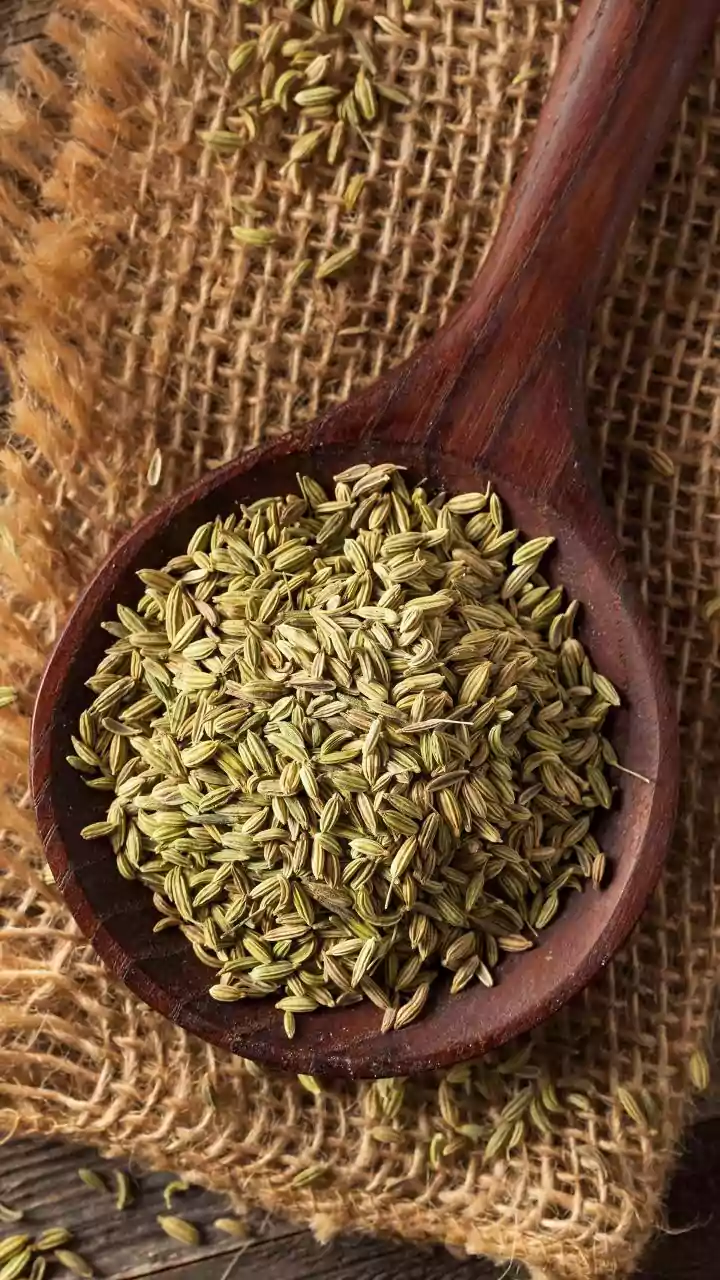
don't belong. Floating particles might suggest the presence of light materials like sawdust or grass seeds, while a gritty sediment at the bottom could be fine dust or chalk powder. Another common test involves rubbing a pinch of cumin seeds in your palm; if your hand turns black, it may indicate adulteration with charcoal dust, used to make old seeds look fresh. These tests are useful for spotting obvious, low-tech fraud where fillers are added simply to increase weight and volume at a low cost. However, they only reveal physical impurities, not the more sinister chemical contaminants.
The Invisible Threat: Pesticides and Heavy Metals
The real danger in modern food supply chains often isn't visible sawdust, but a cocktail of invisible chemicals. These include pesticide residues from agricultural practices and heavy metals like lead, arsenic, and cadmium that spices can absorb from contaminated soil and water. These substances are not added to increase bulk but are byproducts of how and where the spice is grown and processed. Long-term exposure to these toxins can lead to serious health problems, including damage to the liver and kidneys, and even an increased risk of cancer. A recent recall of a popular cumin powder brand in India was ordered after tests found pesticide residues above the prescribed safety limits set by FSSAI, highlighting that this is not a theoretical concern but a real issue affecting products on our shelves.
Why Home Methods Fail for Chemical Detection
You cannot see, smell, or taste pesticide residues or heavy metals. These contaminants exist at a molecular level, measured in parts per million or even parts per billion. Detecting them requires highly sophisticated and expensive laboratory equipment. Scientists use methods like Gas Chromatography-Mass Spectrometry (GC-MS) and Liquid Chromatography with tandem mass spectrometry (LC-MS/MS) to separate a sample into its individual chemical components and identify them with precision. These machines can find trace amounts of specific chemicals that a simple water or rub test could never reveal. Simply put, checking for complex chemical residues is far beyond the capability of any home kitchen.
The Official Standard: How Regulators Ensure Safety
The responsibility for ensuring spices are free from harmful chemical levels falls to regulatory bodies like the Food Safety and Standards Authority of India (FSSAI). FSSAI sets Maximum Residue Limits (MRLs), which define the highest legally permissible level of a specific pesticide in a food product. These limits are established based on scientific data to ensure that consumption remains safe. To enforce these standards, officials collect random samples from the market and send them to accredited labs for rigorous testing using the same advanced techniques mentioned earlier. If a product is found to contain residues above the MRL, as seen in the recent cumin powder recall, FSSAI can order the entire batch to be removed from stores to protect public health.
Smart Steps for a Safer Masala Dabba
Since you can't test for chemicals at home, the best strategy is to be a smarter shopper. The most effective way to protect your family is to shift your focus from home testing to informed purchasing. First, prioritize buying whole spices whenever possible. It is much harder to adulterate whole cumin seeds than it is to mix fillers into a fine powder. You can grind your jeera at home in small batches for the freshest flavour and greater peace of mind. Second, always choose reputable brands that display FSSAI certification and Agmark labels on their packaging. While not a perfect guarantee, these marks indicate that the manufacturer is subject to regulatory oversight. Finally, be wary of loose spices sold in open markets or products that are unusually cheap. Consistent quality control and testing cost money, so a price that seems too good to be true might reflect cut corners in safety and purity. Check for proper packaging with clear manufacturing dates and batch numbers.