






The Challenge of Silent Speed
For many car enthusiasts, the transition to electric vehicles presents a paradox. While the instant torque and blistering acceleration are undeniable, the experience can feel sterile. The visceral roar of an engine, the tactile feedback of a gear change,
and the auditory cues that signal speed and power are all absent. This is the challenge Hyundai’s N performance division decided to tackle head-on with its first high-performance EV, the Ioniq 5 N. Instead of embracing the silence, they questioned it, asking if an EV could be engineered to deliver the emotional, multi-sensory experience that drivers of internal combustion engine (ICE) cars cherish.
The Tech: N e-Shift and N Active Sound+
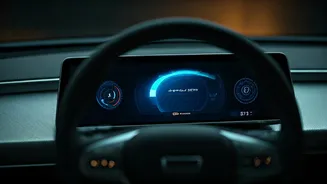
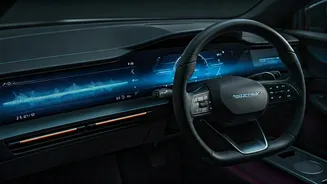
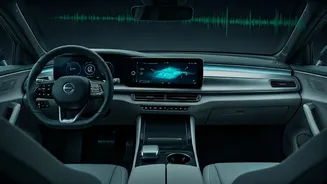
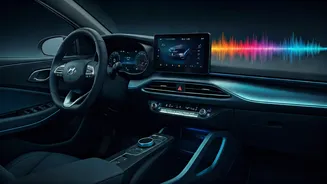
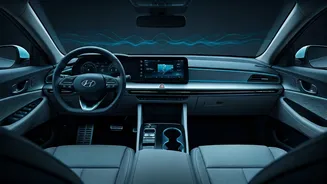
Hyundai’s solution is a two-part system designed to work in tandem: N e-Shift and N Active Sound+. N Active Sound+ is a sophisticated audio system that uses ten speakers—eight inside and two outside—to generate virtual sound based on driver inputs like speed and torque. It’s not just a simple recording; the system processes vehicle data to create a dynamic soundscape. Paired with this is N e-Shift, which simulates the feeling of an eight-speed dual-clutch transmission. By controlling motor torque, it creates a subtle jolt that mimics the sensation of a gear change, complete with paddle shifters on the steering wheel. Even though the Ioniq 5 N has a single-speed transmission, this combination creates a convincingly analogue experience.
More Than Just Fake Noise
While it might be easy to dismiss these features as gimmicks, Hyundai argues they serve a real purpose beyond novelty. For performance driving, sound provides crucial feedback. It helps a driver gauge speed and how much power is being used without constantly looking at the speedometer. The N Active Sound+ system offers three distinct sound profiles. ‘Ignition’ mimics the sound of Hyundai’s popular ICE N cars, ‘Evolution’ provides a more futuristic, high-performance EV tone, and ‘Supersonic’ is inspired by the sound of a fighter jet. This isn't about tricking the driver into thinking they're in a petrol car; it's about re-establishing the connection between driver, car, and road that can get lost in the silence of a conventional EV. The goal, according to Hyundai, is engagement, not just imitation.
A Bridge to the Electric Future?
The reception to Hyundai's approach has been surprisingly positive, even among sceptics. Many reviewers who expected to dislike the artificiality found the experience genuinely fun and engaging. In fact, the system was so well-received that other major performance brands like Porsche and BMW are reportedly developing similar features for their own upcoming EVs. What initially seemed like a quirky feature on the Ioniq 5 N is now being seen as a potential template for the industry. Hyundai has already stated its intention to refine and enhance these systems for future models, even exploring haptic feedback to simulate vibrations. It’s a clear signal that the company sees this as a key differentiator, a way to attract enthusiasts who might otherwise be hesitant to make the switch to electric.