






An Expanded Bloc with Economic Muscle
The BRICS of today is not the same as the four-country grouping conceived two decades ago. Now an 11-member alliance including major energy producers and emerging markets, the bloc represents a significant portion of the global economy. After welcoming
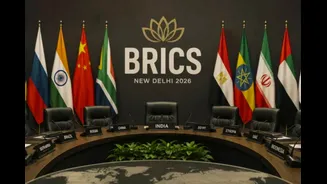
Egypt, Ethiopia, Iran, Saudi Arabia, and the UAE in 2024, followed by Indonesia in 2025, the group now accounts for nearly half the world's population and around 40% of global GDP. This expanded membership brings together major manufacturing hubs, energy exporters, and vast consumer markets, creating a powerful platform for South-South cooperation. The summit in New Delhi, hosted under India's 2026 chairship, is seen as a pivotal moment to translate this collective weight into tangible economic systems that can operate independently of traditional Western-led frameworks.
Deepening Trade and Financial Ties
A central priority for the 2026 summit is to bolster intra-BRICS trade and investment. While trade between member nations has grown substantially, there's a concerted push to make it more balanced and less dependent on external currencies. A key part of this strategy involves creating alternative payment systems. Discussions are advancing on linking the national digital payment platforms of member countries, like India's UPI, Brazil's Pix, and China's CIPS, to create a smoother and cheaper channel for cross-border transactions. This initiative, often referred to as BRICS Pay, aims to facilitate more trade in local currencies, reducing reliance on the U.S. dollar and the SWIFT messaging system for international settlements. India has also proposed linking the Central Bank Digital Currencies (CBDCs) of member states to further streamline payments for trade and tourism.
Building Resilient Supply Chains
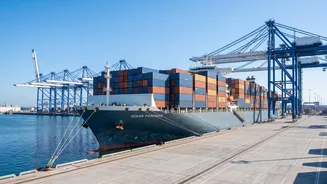
Recent geopolitical conflicts and global disruptions have exposed the fragility of global supply chains, making their resilience a top security and economic priority for the BRICS nations. India's chairship has championed the idea of building alternative logistics and value chains that are less vulnerable to external shocks. A proposed 'Brics Logistics Supply-Chain Cooperation Framework' aims to address weak connectivity through knowledge sharing and the development of localised manufacturing ecosystems. The goal is not just to secure the flow of goods but also to create what some analysts call "development-chain resilience," enabling developing economies to build more independent paths to long-term growth. This involves diversifying trade partners within the bloc and reducing over-reliance on a single source for critical goods.
Technology as the Next Cooperative Frontier
Technology and innovation form another key pillar of the summit's agenda. The focus extends from promoting joint research and knowledge sharing to practical cooperation in areas like Artificial Intelligence (AI), digital public infrastructure, and financial technology. The establishment of networks for digital agriculture and a Brics Incubator Network for startups are concrete examples of this push. By fostering collaboration on critical and emerging technologies, the bloc aims to reduce its dependence on Western tech and build a self-reliant innovation ecosystem. This cooperation is seen as crucial for future economic growth and enhancing the strategic autonomy of member nations in an increasingly tech-driven world.
Navigating Internal and External Hurdles
Despite the ambitious agenda, the path forward is not without challenges. The expanded BRICS is a diverse group with varying economic structures and, at times, divergent geopolitical interests. Rivalries between members, such as the long-standing border dispute between India and China, present a significant hurdle to deep integration. India, for its part, has sought to balance its role within BRICS with its strong strategic and economic ties to the United States and other Western partners. New Delhi has consistently advocated for practical, consensus-based cooperation focused on development rather than geopolitical confrontation. The success of the 2026 summit will largely depend on the ability of its members to navigate these internal divisions and build a unified consensus around their shared economic goals.