


The Current 2026 Bloom Explained
If you've seen social media buzzing about purple hills in Munnar this year, there's a good reason. A specific population of Neelakurinji is indeed flowering in September 2026. This has caused some confusion, as the most famous mass bloom occurred in 2018,
with the next one widely anticipated in 2030. The simple answer is that not all Neelakurinji plants are on the same schedule. The current bloom is happening in areas like the Chokramudi and Mattupetty-Korandakkad hills. This population last flowered in 2014, making 2026 its expected 12-year return. So, while a genuine bloom is happening now, the one famously associated with Eravikulam National Park is still on track for 2030.
What Makes Neelakurinji So Special?
Neelakurinji, or Strobilanthes kunthiana, is a shrub native to the shola grasslands of the Western Ghats. Its name is a combination of the Malayalam and Tamil words 'Neela' (blue) and 'Kurinji' (flower). The plant has a unique life strategy known as mass flowering or gregarious blooming. It grows for 12 years, flowers just once in a spectacular, synchronized event, sets seed, and then dies. This monocarpic life cycle is believed to be an evolutionary survival mechanism. The mass blooming attracts a vast number of pollinators, ensuring successful seed production for the next generation. This rare, all-or-nothing flowering is what makes the event a bucket-list experience for nature lovers.
A Flower Deeply Rooted in Culture
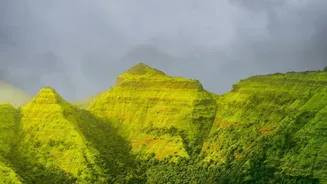
The Neelakurinji is more than just a botanical wonder; it's woven into the cultural fabric of the region. In ancient Sangam literature, the landscape was divided into five ecological zones, and 'Kurinji' referred to the mountains. For the local Paliyan and Muthuvan tribal communities, the 12-year blooming cycle has historically served as a natural calendar to mark their age and significant life events. The flower also gives the Nilgiri Hills their name, which translates to 'Blue Mountains', a tribute to the stunning landscape during a mass bloom.
Planning Your Visit: 2026 vs. 2030
For the current 2026 bloom, visitors should focus on the Chokramudi and Mattupetty-Korandakkad hill areas, which are the main sites for this cycle. Authorities have opened trekking trails, with visitor access managed to protect the fragile habitat. The peak blooming period is generally between August and October. For those planning for the future, the next grand-scale bloom will be in 2030, centered around the iconic Eravikulam National Park. This park, home to the endangered Nilgiri Tahr, offers some of the most expansive and famous views of the blue floral carpet. Regardless of the year, it's crucial to book travel and accommodation well in advance, as Munnar sees a massive influx of tourists during any blooming season.
Practicing Responsible Tourism
The Neelakurinji habitat is a fragile ecosystem. The plant itself was recently added to the IUCN Red List as a 'Vulnerable' species due to threats from habitat loss and tourism pressure. When visiting, it is imperative to act responsibly. Always stay on designated trails and never pluck the flowers or uproot plants. Avoid littering, and carry reusable water bottles to minimize waste. Supporting local businesses and respecting the customs of the local communities also contributes to a more sustainable tourism experience. The goal is to leave the blue hills as pristine as you found them, ensuring this natural wonder continues for generations to come.