





The New Gold Standard in Travel
For over a century, food lovers have revered the Michelin Star as the ultimate culinary prize. Now, the world of travel has its own equivalent: the Michelin Key. Introduced in 2024, this award distinguishes hotels that offer the most outstanding stays.
An anonymous team of inspectors evaluates properties on five core principles: excellence in architecture and design, quality of service, unique personality, value for money, and a strong connection to their location. One Key signifies a 'special stay,' Two Keys denotes an 'exceptional stay,' and the rare Three Keys are reserved for an 'extraordinary stay.' A Three-Key hotel isn't just a place to sleep; it's considered a destination in itself, an experience so remarkable it's worth planning a trip around. That two of these ultimate accolades were awarded in India is a testament to the country's rising status in global luxury.
A Floating Vision in White Marble
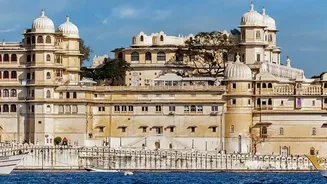
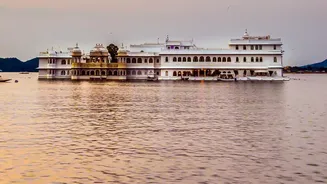
Taj Lake Palace in Udaipur is less a hotel and more a fantasy brought to life. A vision of white marble that appears to float on the serene waters of Lake Pichola, it's one of the most photographed hotels on the planet for a reason. Built in the 18th century as a royal summer palace, its magic begins before you even arrive. Guests are ferried across the lake, arriving at a property that feels completely detached from the outside world. Earning Three Michelin Keys requires flawless service, and here it is legendary, with staff treating guests to a level of hospitality once reserved for royalty. The hotel is recognized not just for its breathtaking beauty and heritage but for creating an immersive experience where every detail contributes to a feeling of unparalleled romance and tranquillity. It’s a place that isn't just in Udaipur; it is Udaipur.
A Palace in the Clouds
Perched 2,000 feet above Hyderabad, Taj Falaknuma Palace offers a different, but equally extraordinary, journey into India's royal past. Known as the 'Mirror of the Sky,' this former residence of the Nizam of Hyderabad is a masterpiece of Italian and Tudor architecture, famously designed in the shape of a scorpion. The experience is steeped in theatrical grandeur. Guests often arrive by a horse-drawn carriage before being showered with rose petals. Inside, the palace reveals opulent interiors, Belgian crystal chandeliers, and the famous 101-seat dining hall, which houses one of the world's longest dining tables. The Three-Key rating acknowledges that Falaknuma is more than a luxury stay; it's an immersion into a lost era of princely power and opulence, offering a profound sense of place and history that is impossible to replicate.
A Landmark Moment for Indian Hospitality
While the two Taj palaces claimed the top prize, they were part of a wider recognition of India's vibrant hotel landscape. In total, 47 properties across the country were awarded Michelin Keys in the 2026 selection, including 15 Two-Key hotels and 30 One-Key hotels. This broad selection, spanning grand palaces, wildlife lodges, mountain retreats, and chic urban boutiques, signals that the world is taking notice of the diversity and quality of Indian hospitality. From the historic grandeur of The Imperial in New Delhi to the serene minimalism of The Kumaon in Almora, the list celebrates hotels that offer unique character and a deep connection to their environment. The awards highlight a shift from standardized luxury to experiences that are authentic, memorable, and deeply rooted in Indian culture, putting the country firmly on the map for discerning global travelers.