





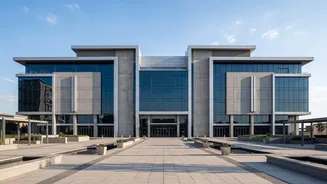
A Summit of Global Importance
India is set to assume the BRICS chairmanship on January 1, 2026, and will host the 18th summit later in the year, likely in New Delhi. This annual gathering brings together the leaders of major emerging economies, including Brazil, Russia, China, and South
Africa, alongside new members, to discuss global development, economic cooperation, and geopolitics. For India, hosting the summit is a significant opportunity to project its growing influence on the world stage and champion the voice of the Global South. The theme for India's chairmanship is "Building for Resilience, Innovation, Cooperation and Sustainability," signaling a focus on people-centric development and reforming global governance.
From Facelifts to Flyovers
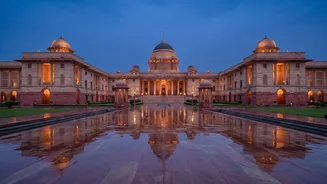
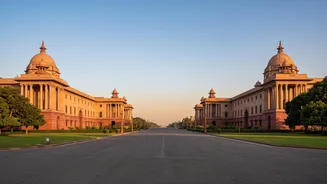
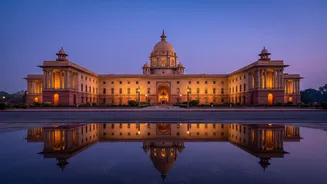
The readiness push in Delhi is a multi-agency effort, with bodies like the New Delhi Municipal Council (NDMC) and Public Works Department (PWD) leading the charge. The plan is comprehensive, focusing on world-class cleanliness, enhanced aesthetics, and efficient civic management. Specifics include the beautification of major roads, roundabouts, and public spaces. For the summit, the NDMC has identified 41 major roads, dividing them into 14 circles, each with a dedicated nodal officer to ensure standards are met. Projects involve fresh landscaping, planting seasonal flowers, installing floral boards and fountains, upgrading street lighting, and ensuring all public infrastructure, from footpaths to public toilets, is impeccably maintained.
Learning from the G20 Playbook
This large-scale urban makeover is not without precedent. Many observers see it as a continuation of the work started for the G20 Summit in 2023. That event saw a massive, $120 million beautification project that transformed key areas of the capital with new sculptures, fountains, and millions of plants. Officials have openly stated their goal is to surpass the standards set during the G20. The infrastructure and aesthetic assets created for G20 are now being maintained and expanded upon, with a commitment from Delhi's ministers to ensure the beautification efforts continue long-term, funded by the city's taxpayers. The G20 provided a template for how to execute a city-wide facelift for a major international event, and authorities are now applying those lessons for BRICS.
A Coordinated Civic Effort
The NDMC's plan is meticulous. Beyond aesthetics, it includes a 24/7 sanitation drive with additional staff, mechanical sweepers, and mobile toilets planned for the summit period. A dedicated command and control centre will monitor civic services in real-time, using CCTV and field reports to rapidly resolve any issues. The strategy also involves coordinating with hotels, market associations, and Resident Welfare Associations (RWAs) to present a united, clean front. Special events are also being planned to engage the public and delegates, such as a BRICS Bazaar, a Food Festival, and public art installations like murals. This coordination is aimed at ensuring a seamless experience for visitors and showcasing Delhi at its best.
The Bigger Picture for Delhi
While the BRICS summit is the immediate catalyst, this maintenance push is part of a larger ambition to position New Delhi as a world-class capital capable of hosting global events. The infrastructure upgrades, from road repairs to improved public spaces, are intended to have a lasting impact beyond the summit itself. The G20 makeover was widely seen as a success in showcasing a modern, vibrant India, and the BRICS preparations aim to build on that legacy. However, these beautification drives are not without controversy. During the G20, criticism arose regarding the displacement of homeless populations and street vendors from renewed areas, raising questions about the social cost of such projects. As Delhi prepares again, balancing the quest for a pristine image with the realities of a bustling metropolis remains a key challenge.