






The Case for a Morning Banana
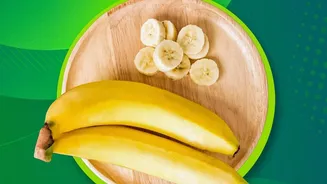
The argument for making a banana your go-to morning fruit is strong. Bananas are packed with natural sugars like glucose, fructose, and sucrose, which provide a quick and sustained energy release to kickstart your day. This makes them a popular choice
for a pre-workout snack or as part of a balanced breakfast to get your metabolism going. They are also rich in fiber, particularly a soluble fiber called pectin, which can aid smooth digestion and promote regular bowel movements. For many, starting the day with a banana helps them feel full, supports gut health by feeding beneficial bacteria, and offers a natural boost of energy without the crash associated with processed breakfast foods.
The Concern About an Evening Banana
On the other hand, you've likely heard warnings against eating bananas at night. Much of this advice is rooted in Ayurvedic principles, which suggest that eating bananas after sunset can aggravate coughs and colds by leading to mucus production. Since our metabolism is generally slower at night, some also worry that the fruit's natural sugars won't be used effectively and could contribute to weight gain or digestive issues like bloating. While there's little modern scientific evidence to support the mucus claim for most people, the idea that a heavy fruit might be difficult to digest on a full stomach or right before lying down resonates with some.
What the Nutrients Really Do
To understand the best time for you, it helps to look at what's inside a banana. They are famous for being a great source of potassium and magnesium, two minerals that act as natural muscle relaxants and help regulate nerve function and heart rhythm. This is a key reason they are recommended for sleep. Bananas also contain the amino acid tryptophan, which the body converts into serotonin and then melatonin—the hormone that controls our sleep-wake cycles. At the same time, their carbohydrate and fiber content is what provides that morning energy and feeling of fullness. A less-ripe, greener banana has more resistant starch, which acts as a prebiotic to feed good gut bacteria, while a riper banana has more easily digestible sugars.
Your Digestion Is the Real Expert
This brings us to the core issue: digestive comfort. A food that causes bloating, gas, or discomfort is not beneficial, no matter when you eat it. For some individuals, especially those with a sensitive gut, the high fiber content in bananas can lead to fermentation in the intestines, causing bloating. Others might find that eating a banana on a full stomach after dinner feels heavy. Conversely, the natural antacid properties of bananas can be soothing for people who experience heartburn. The ripeness also plays a huge role; riper, yellow-spotted bananas are generally easier to digest than greener ones. Ultimately, how your body personally responds is the most important factor.
How to Find Your Best Banana Time
Instead of following a universal rule, become your own health detective. Try this simple experiment: for a few days, eat a banana in the morning. Pay attention to your energy levels and digestion. Do you feel energized and full until lunch, or a little bloated? Then, switch it up. For another few days, have a banana as an evening snack, perhaps an hour or two before bed. Do you feel it helps you relax and curbs sweet cravings, or does it feel heavy in your stomach? Consider pairing it with a little protein or fat, like a spoonful of peanut butter or a handful of almonds, to slow the absorption of sugar and see if that makes a difference to your digestion and satiety. Listening to your body’s signals is the most reliable way to find out what works for you.