





A Picnic in the Sky?
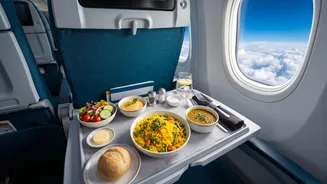
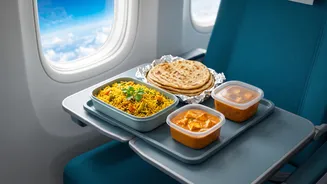
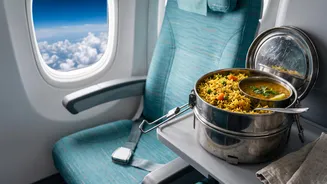
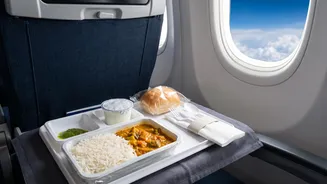
The video, which circulated widely in late August 2026, shows a family sharing a large spread of homemade food, including parathas, dhoklas, and samosas, complete with disposable plates and various condiments. While some viewers celebrated it as a relatable
slice of Indian family life, others criticized it as inconsiderate, arguing that turning a shared public space into a private dining hall oversteps unspoken boundaries. The incident has brought a familiar question back into focus: what are the rules, both written and unwritten, for eating and cleaning up on a flight?
Why It Struck a Nerve
The debate isn't just about food; it's about mutual respect in a cramped environment. Air travel can be stressful, and the cabin is a space shared by hundreds of strangers. Actions that create mess, strong odours, or inconvenience for others are often seen as a breach of social contract. Critics of the viral video pointed out that while bringing your own food is often allowed, an extensive 'buffet' can feel intrusive to fellow passengers. Supporters, however, argued that if no rules were broken and the family cleaned up their own mess, there was no harm done. This highlights the grey area between airline policy and passenger courtesy.
The Cabin Crew's Perspective
Flight attendants are primarily on board for safety, not to be personal cleaners. While they conduct trash collection runs, their main duties revolve around ensuring passenger safety during all phases of flight. Leaving excessive mess behind, whether it's food wrappers stuffed in seat-back pockets or soiled containers on the floor, creates extra work for the crew and can delay the cleaning process for the next flight. Ground cleaning crews perform deep cleans, but the responsibility for basic tidiness during the flight falls on both the cabin crew and, crucially, the passengers themselves. Handing rubbish to crew members during a designated collection time is the most helpful approach.
A Simple Guide to In-Flight Tidiness
Being a considerate passenger is simple. When the meal service is over, try to consolidate your waste. Stack your containers, place cutlery on the tray, and tuck away any loose wrappers. This makes it much easier and quicker for the cabin crew to collect everything. If you have small bits of trash outside of meal times, use the sick bag in the seat pocket—it makes for a handy personal garbage bag. When the crew comes around with a bin bag, that is the perfect time to dispose of your waste. Try to avoid handing them rubbish while they are performing other duties, like during boarding or preparing the cabin for landing. These small efforts contribute significantly to a cleaner and more pleasant environment for everyone.
More Than Just Good Manners
Ultimately, practicing good cabin etiquette is about more than just avoiding a mess. It’s a form of respect for the shared space, your fellow travelers, and the airline staff who work hard to ensure a safe and smooth journey. A clean environment reduces stress and contributes to a more positive travel experience for all. While the viral video showed a family enjoying a moment together, it also served as a valuable reminder that our actions, no matter how small, have an impact on those around us. By being mindful and tidy, we can all play a part in making air travel a little more civilised and comfortable.