




Meet the Uninvited Guests
Before you can fight the enemy, you need to know who you’re up against. In most Indian kitchens, the primary culprits are small insects often referred to as pantry pests. These include various types of beetles, weevils, and moths, with the Indian meal
moth being one of the most common offenders worldwide. These pests are not necessarily a sign of a dirty kitchen; they often hitch a ride into our homes directly from the grocery store, hidden inside paper, cardboard, or plastic packaging. Once inside, they thrive on dry goods like flour (atta), rice, dals, spices, cereals, and even chocolates. While they aren't known to spread disease, they contaminate food with their eggs, larvae, and waste, making it unfit for consumption and leading to unnecessary waste and expense.
Your First Line of Defence: Airtight Containers
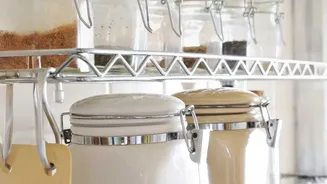
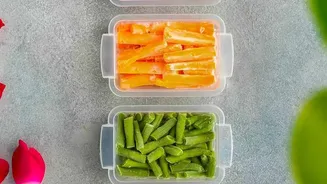
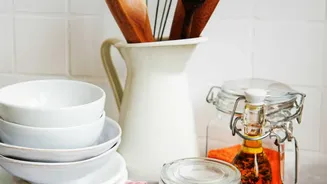
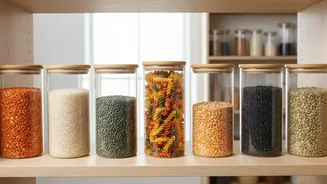
The single most effective step you can take is to create an impenetrable barrier between pests and their food source. Pests can easily chew through flimsy packaging like paper and thin plastic bags. This is why immediately transferring your groceries from their original packets into airtight containers is critical. For an Indian kitchen, materials like glass and food-grade stainless steel are excellent choices as they are non-reactive and won’t absorb the strong odours or colours of masalas. BPA-free plastic containers with locking lids and silicone seals are also a practical and affordable option. By decanting everything—from your 5kg bag of atta to your smallest packet of spices—into a sealed container, you solve multiple problems at once: you block pest entry, prevent moisture from causing clumps, and keep your food fresher for longer.
The Power of a Clean and Dry Space
Pests thrive in environments that offer food, warmth, and moisture. A forgotten spill, a few stray grains of rice, or crumbs in the corner of a shelf can become a feast for insects. A consistent cleaning routine is therefore crucial. Every few months, it's a good practice to completely empty your pantry shelves. Vacuum up any debris, paying close attention to corners and crevices where eggs and larvae can hide. Then, wipe the shelves down with a simple solution of soap and warm water or a vinegar-water mix. It’s important to avoid harsh chemicals or pesticides, as these can be dangerous near food items and are not necessary for prevention. Before restocking, ensure the shelves are completely dry, as humidity attracts pests.
Viral Hacks: Separating Fact from Fiction
The internet is full of quick fixes promising a pest-free kitchen. Placing bay leaves, whole cloves, or dried chillies in your food containers are among the most popular suggestions. While these items do contain aromatic compounds like eugenol (in cloves) and eucalyptol (in bay leaves) that insects dislike, they function primarily as mild repellents, not eliminators. A bay leaf might deter a passing weevil, but it will do nothing to kill eggs or larvae already present in a package. These methods are far less effective than the physical barrier of an airtight container and can offer a false sense of security. Other hacks, like baking soda traps or vinegar sprays, may have some effect on ants or fruit flies but are not a comprehensive solution for stored-product pests like moths and beetles that live inside your food packages. Think of them as a minor supplement, not a primary strategy.
Adopt a 'First In, First Out' Mindset
Good storage hygiene extends to how you manage your stock. Most pantry pest infestations stem from products that have been sitting on shelves for a long time. To prevent this, practice the 'first in, first out' (FIFO) method. When you buy a new bag of dal or rice, place it behind the older one you're still using. This ensures you're always using up older items first. Regularly check for expiration dates and inspect packages for any signs of trouble, like tiny holes, webbing, or clumping. Some people also recommend freezing new bags of grains or flour for a few days after purchase to kill any potential eggs or larvae before transferring the contents to your storage containers. These simple habits, combined with proper cleaning and storage, create a system that makes your pantry an unwelcoming place for pests.