


The Science of Hair Protection
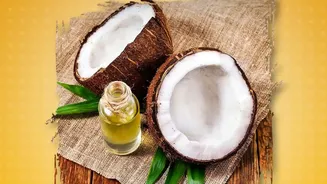
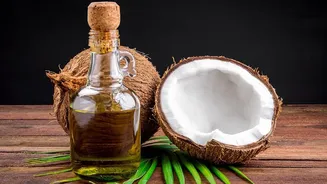
The secret to coconut oil's effectiveness lies in its unique chemical structure. It is rich in a medium-chain fatty acid called lauric acid. Unlike many other oils that simply coat the hair's surface, lauric acid has a low molecular weight and a straight
shape, which allows it to penetrate deep inside the hair shaft. Once inside, it binds to the hair's natural proteins. This is crucial because everyday activities like washing, styling, and exposure to the elements can cause hair to lose these essential proteins, making it weak and brittle. A landmark study in the Journal of Cosmetic Science found that coconut oil significantly reduced this protein loss in both damaged and undamaged hair, outperforming other popular oils like sunflower and mineral oil. By holding onto protein, the hair fibre maintains its structural integrity, becoming more resilient.
Your Shield Against Daily Damage
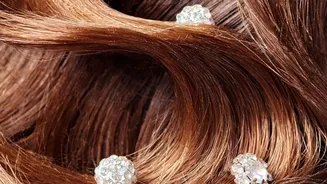
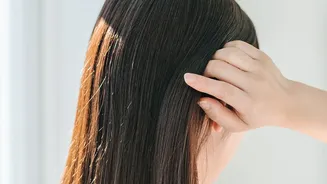
Think of coconut oil as a protective shield for your hair. One of the biggest culprits of damage is something called 'hygral fatigue'—the constant swelling and drying of hair when it gets wet. This process weakens the hair over time. By penetrating the shaft, coconut oil helps to repel some water, reducing this swelling and subsequent damage. It also lubricates the hair's outer layer, or cuticle, which reduces friction from combing and brushing. This means fewer split ends and less mechanical breakage. For those with porous, dry, or chemically treated hair, these protective qualities are especially beneficial. Studies have shown that coconut-based oils can prevent increased hair porosity and help hair resist breakage after being damaged. This ability to protect existing strands is what gives hair a stronger, healthier appearance.
The Myth of Miracle Regrowth
This is where we need to manage expectations. While coconut oil is a champion at protecting the hair you already have, there is no strong scientific evidence to suggest it can regrow hair from dormant follicles or treat medical hair loss conditions like androgenetic alopecia (pattern baldness). The perception that it 'grows' hair likely comes from its effectiveness at reducing breakage. When your hair breaks less, you retain more length, which can make it appear fuller and longer over time. While some research indicates coconut oil can help create a healthier scalp environment by balancing the microbiome and reducing inflammation, this doesn't translate to reversing clinical hair loss. If you are experiencing significant hair thinning or bald patches, it's a sign to look beyond topical oils.
How to Use It for Best Results
To harness its protective benefits, how you apply coconut oil matters. Using it as a pre-shampoo treatment is one of the most effective methods. Apply a small amount of virgin coconut oil to the mid-lengths and ends of your dry hair about 30 minutes to an hour before you wash it. This allows the oil to penetrate and create a barrier that shields your hair from protein loss during shampooing. For those with very dry or coarse hair, a tiny amount can be used as a leave-in conditioner to tame frizz and add shine. However, if you have fine or oily hair, be cautious, as it can weigh your hair down or cause buildup. A scalp massage with coconut oil can also be beneficial for scalp health, but be sure to wash it out thoroughly to avoid clogged pores.