





The idea of a winter road trip in India, with snow-dusted pines and majestic Himalayan peaks, is pure magic. But turning that dream into a safe, memorable reality requires careful planning around unpredictable weather and challenging road conditions.
Your Route: Choose Your Winter Wonderland Wisely
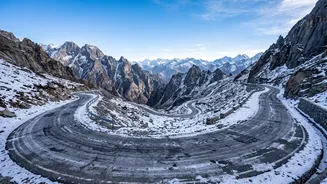
Before you even think about packing, your first step is choosing a realistic destination. While the allure of places like Spiti, Ladakh, or high-altitude Uttarakhand is strong, many of the iconic routes that connect them are officially closed during peak winter. Key arteries like the Rohtang Pass and Zoji La typically shut down from November until late spring due to heavy snowfall. Even routes that remain open, like the Manali to Lahaul journey via the Atal Tunnel, can face temporary closures. Always check the latest road status with official sources like district administration websites or the Border Roads Organisation (BRO), which is responsible for maintaining these strategic routes. Have a flexible itinerary and backup plans, as a sudden snowstorm can shut down a road with little warning, potentially leaving you stranded.
Your Vehicle: Prepare It for the Cold
Your car is more than just transport; it’s your lifeline in the mountains. A thorough pre-trip service is non-negotiable. Pay special attention to your tyres; if you're heading into serious snow, consider winter or all-season tyres for better grip. Check that your tyre pressure is at the manufacturer-recommended level, as cold air can cause it to drop. Ensure your battery is in excellent condition, because low temperatures can drain it quickly. Top up all essential fluids, especially antifreeze/coolant to prevent your engine from freezing, and fill your windshield washer fluid, adding a de-icing solution if possible. Finally, confirm your brakes and wipers are in perfect working order for visibility during snowfall.
The Essential Winter Kit: Beyond Warm Clothes
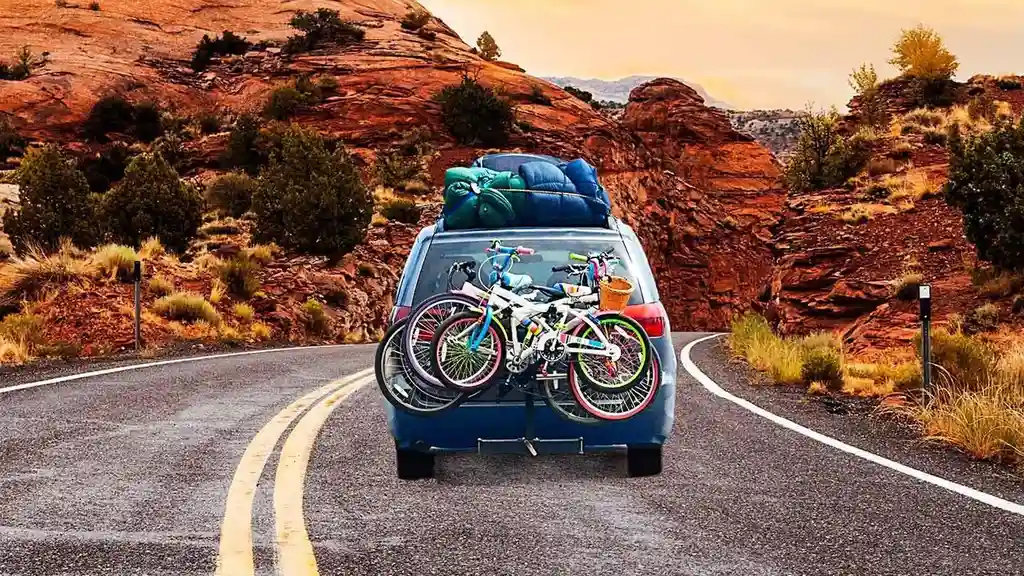
While layering with thermals, woollens, and a down jacket is crucial, your packing list needs to go further. An emergency kit for your car is vital. This should include jumper cables or a portable jump starter, a torch with extra batteries, a comprehensive first-aid kit, and high-energy, nonperishable snacks like nuts and protein bars, along with plenty of water. Pack warm blankets or sleeping bags in case you get stuck and need to wait for help. For your vehicle, an ice scraper and snow brush are indispensable for maintaining visibility. It is also wise to carry a shovel and some form of traction aid like sand or cat litter, which can help if your wheels get stuck in the snow. And don't forget a power bank to keep your phone charged.
On the Road: Master the Art of Winter Driving
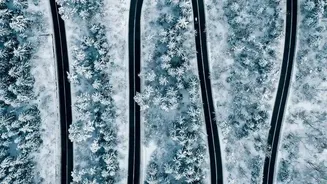
Driving in the snow is a skill that demands respect for the conditions. The golden rule is to do everything slowly and smoothly: accelerate gently, brake early and lightly, and steer without any sudden movements. Reduce your speed significantly and increase the following distance between you and the vehicle ahead to at least 8–10 seconds. One of the biggest dangers is black ice, a transparent, nearly invisible layer of ice that often forms on bridges, in tunnels, and on shaded bends. When going downhill, rely on engine braking by shifting to a lower gear rather than riding the brakes, which can cause you to skid. If you have a 4x4, understand how and when to use its low–range mode. For extreme conditions, knowing how to properly fit snow chains is a critical skill—practice before you leave home.
Stay Informed and Be Flexible
Mountain weather is notoriously fickle. A sunny morning can turn into a blizzard by the afternoon. Continuously monitor weather forecasts from reliable sources like the India Meteorological Department (IMD). Check road status updates not just before you leave, but also during your trip. Local authorities often post real–time information on social media or official websites. Listen to the advice of locals, hotel staff, and taxi drivers; their on–the–ground knowledge is invaluable. The most important part of your plan is the willingness to change it. If conditions deteriorate, do not take risks. Postponing a leg of your journey or turning back is not a failure; it’s a smart decision that ensures you’ll be able to travel another day.