
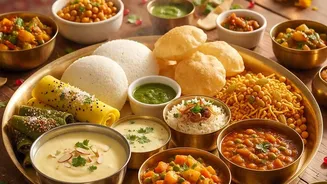


As married women prepare for Karwa Chauth on October 29, 2026, the pre-dawn meal, or Sargi, is key. A balanced Sargi ensures you remain energetic and comfortable throughout the day-long nirjala fast, observed from sunrise until moonrise.
Understanding the Role of Sargi
Sargi is more
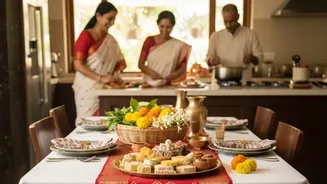
than just a meal; it is a vital tradition and a practical necessity for Karwa Chauth. Eaten before sunrise, this meal is designed to provide enough sustenance to last until the moon is sighted in the evening. Traditionally prepared by a mother-in-law, it symbolizes blessings and care. However, the focus has increasingly shifted towards a nutritionally balanced plate that can prevent common issues like headaches, fatigue, and acidity associated with long hours of fasting. A well-planned Sargi combines complex carbohydrates, proteins, healthy fats, and hydrating elements to ensure a steady release of energy and maintain well-being throughout the day.
Complex Carbohydrates for Lasting Energy
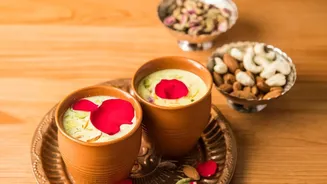
The foundation of a sustaining Sargi is complex carbohydrates, which break down slowly and provide a steady supply of energy. Instead of simple sugars that lead to a quick crash, opt for whole grains. A whole-wheat paratha, lightly cooked and stuffed with paneer or vegetables, is an excellent choice. Other great options include a bowl of oats or traditional preparations like seviyan (vermicelli) kheer made with milk. These foods help you feel full longer and prevent the sharp drops in blood sugar that can cause dizziness.
The Power of Protein and Healthy Fats
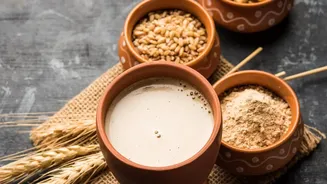
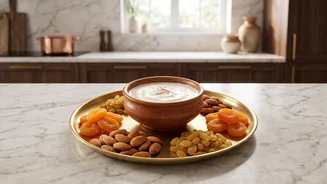
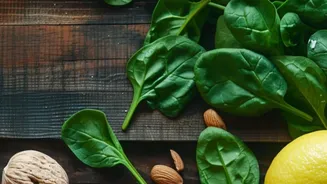
Protein and healthy fats are crucial for satiety, helping to keep hunger pangs at bay. Including a portion of paneer, a bowl of curd, or a glass of milk in your Sargi adds a significant protein boost. Curd also has a cooling effect on the body and contains probiotics that aid digestion. A handful of nuts like soaked almonds, walnuts, and cashews provides healthy fats and sustained energy. These nutrient-dense foods are essential for maintaining stamina during the demanding fast.
Hydrating with Fruits and Fluids
Since the Karwa Chauth fast is 'nirjala' (without water), pre_hydrating your body is extremely important. Drinking a few glasses of water after eating Sargi and before sunrise is recommended. Incorporating water_rich fruits like bananas, pomegranates, apples, or melon provides natural sugars for energy, essential fibres, and much_needed hydration. Coconut water is another excellent option to include in your Sargi for its electrolytes, which help prevent dehydration.
Foods to Avoid in Your Sargi Meal
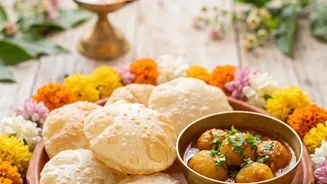
What you don't eat is just as important as what you do. To ensure a comfortable fast, it is best to avoid certain foods in your Sargi. Steer clear of deep_fried items like puris or pakoras, as they can feel heavy and cause sluggishness. Excessively salty or spicy foods should also be avoided because they can trigger intense thirst during the day. Similarly, it's wise to limit overly sweet mithai and caffeinated beverages like tea or coffee, which can lead to dehydration and energy crashes.
Crafting a Balanced Sargi Thali
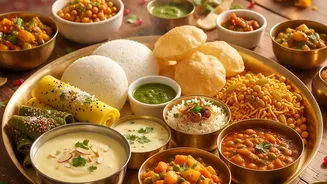
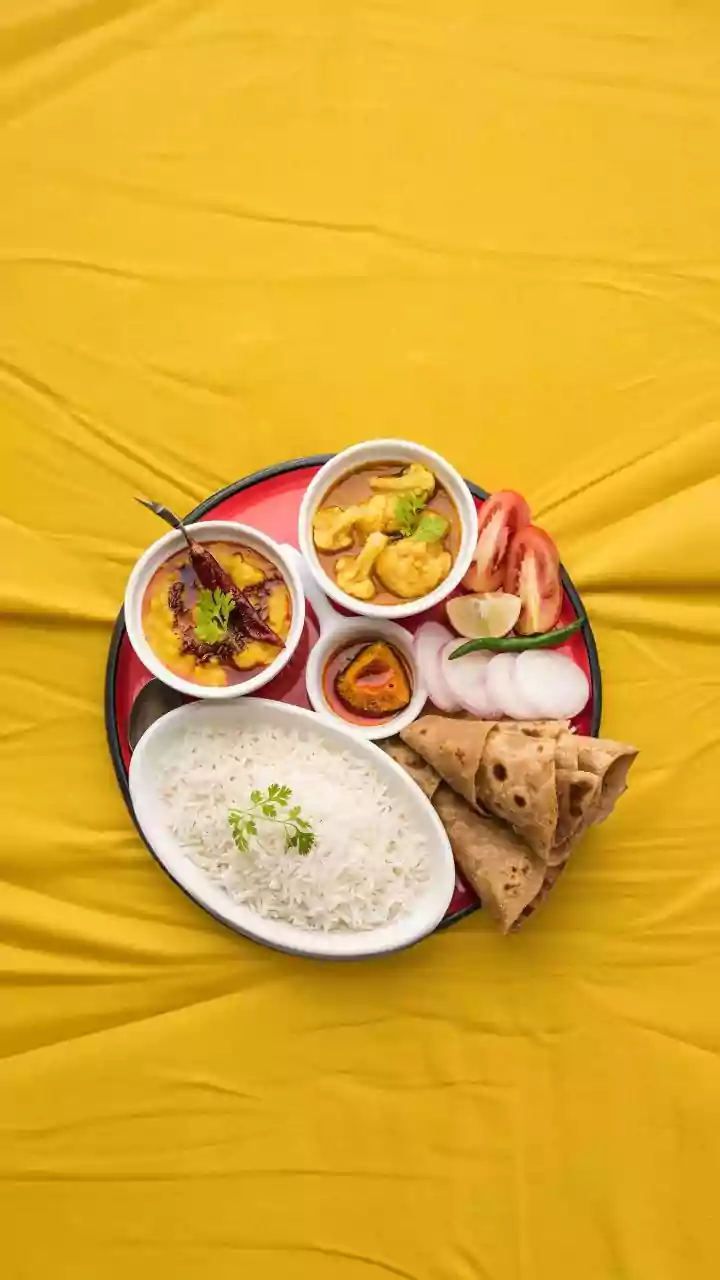
Putting it all together, a modern, balanced Sargi thali could look something like this: one whole_wheat paratha with a side of paneer bhurji, a small bowl of plain curd, a serving of mixed fruits like pomegranate and apple, and a handful of soaked almonds and a couple of dates. This combination covers all the essential food groups. To finish, a glass of warm milk or coconut water can complete the meal. This thoughtful approach ensures you are nourished, hydrated, and ready for the day ahead.