





The Power of a Pungent Bud
At its heart, the magic of clove comes from a powerful flavour compound called eugenol. This is what gives the spice its signature warm, sweet, and slightly peppery taste. Unlike the straightforward sweetness of cinnamon, clove offers a more complex profile
with woody, minty, and even slightly bitter undertones that add dimension to anything it touches. Its aroma is intense and penetrating, which is why a very small amount goes a long way. While often associated with the cosy scents of winter, its ability to create a foundation of warmth makes it a surprisingly versatile player in the world of sweets, capable of elevating simple recipes into something truly special.
In Cakes: A Foundation of Warmth
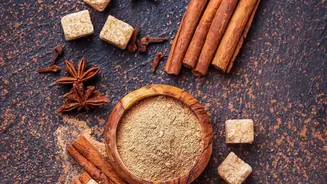
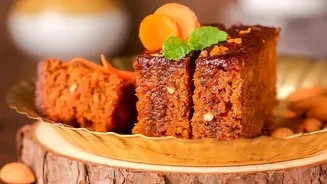
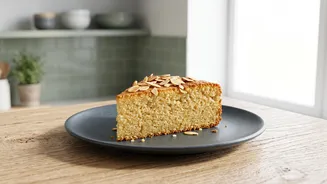
In baking, ground cloves are a team player. When added to cake batters, they provide a deep, resonant warmth that other spices alone can't achieve. Think of it as the bass note in a flavour chord. In a classic carrot or apple spice cake, clove enriches the sweetness of the fruit and complements the earthiness of the carrots. It also has a natural affinity for chocolate, where a pinch can temper sweetness and add an unexpected layer of aromatic complexity. Because its flavour is so potent, ground cloves are usually added sparingly, often alongside more dominant spices like cinnamon and nutmeg to create a balanced, well-rounded profile. The result is a bake that feels more complete and satisfying.
In Cookies: A Hint of Sophistication
Cloves are the secret to transforming a simple cookie into a memorable one. They are a cornerstone of gingerbread, providing the assertive, spicy bite that balances the rich sweetness of molasses. But their use extends far beyond that. A tiny amount of ground clove in an oatmeal cookie adds a subtle warmth that makes it taste more comforting. Even a delicate shortbread can be elevated with a hint of clove, giving it an old-world charm. When baking cookies, the key is restraint; often just a quarter teaspoon is enough to lend a batch a sophisticated, spiced character without overwhelming the other ingredients. It pairs beautifully with ginger, orange, and allspice.
In Custards: An Aromatic Infusion
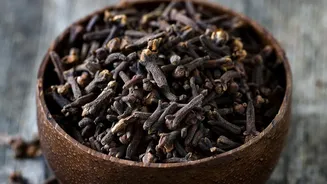
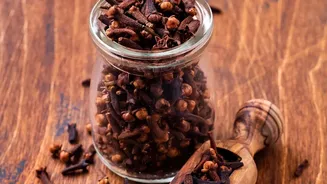
For creamy desserts like custards, panna cotta, and crème brûlée, whole cloves are the tool of choice. Rather than mixing a powder into the base, which could create a gritty texture, gently infusing the milk or cream with a few whole cloves imparts a delicate, clean flavour. As the liquid heats, the cloves slowly release their aromatic oils, creating a subtle warmth that is both elegant and comforting. Simply simmer the milk with two or three whole cloves for several minutes, then strain them out before proceeding with your recipe. This technique allows you to capture the essence of the spice without its full intensity. It's an excellent way to add a layer of intrigue to vanilla-based desserts, giving them a perfumed quality that is both surprising and delightful.
Tips For The Modern Baker
To get the most out of this powerful spice, a few guidelines can help. First, use it sparingly. The flavour of clove can easily dominate, so it’s always better to start with less than you think you need. Second, for the most vibrant flavour, buy whole cloves and grind them yourself just before use. Pre-ground cloves lose their potency much more quickly. When using whole cloves for infusions, remember to remove them before serving, as biting into one can be unpleasantly strong. Finally, don't be afraid to experiment with pairings. While clove is a natural fit for cinnamon and nutmeg, it also works wonderfully with citrus, apple, pear, chocolate, and even stone fruits like peaches.