




The Spiritual Foundation
At its heart, Sawan is a month of immense spiritual significance, dedicated to Lord Shiva. Devotees observe fasts and follow a 'sattvic' or pure lifestyle as a mark of devotion and self-discipline. This involves abstaining from foods considered 'tamasic'
(heavy or dulling) or 'rajasic' (stimulating), such as meat, alcohol, onions, and garlic. The goal is to cultivate a calm mind and a light body, creating an ideal state for prayer, meditation, and spiritual reflection during this sacred period. Forgoing these items is seen as an act of purity and reverence for Lord Shiva.
The Wisdom of the Season
Beyond religious custom, Sawan’s dietary rules are deeply rooted in seasonal science. The month coincides with the peak of the monsoon, a time when, according to both Ayurveda and modern science, our digestive system naturally weakens. The reduced sunlight and high humidity can slow down our metabolism. Heavy foods like meat are harder to digest and can strain the system, potentially leading to issues like bloating and acidity. The monsoon is also a breeding season for many animals and fish, and abstaining from meat is seen as an act of non-violence and respect for the natural cycle of life. Furthermore, the humid weather increases the risk of water-borne diseases and food spoilage, making a lighter, freshly-cooked vegetarian diet a safer option.
An Ayurvedic Perspective
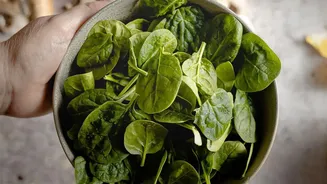
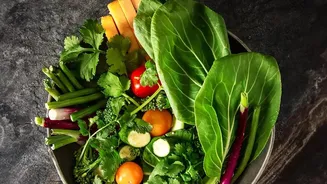
Ayurveda provides a detailed framework for these seasonal practices. During the monsoon (Varsha Ritu), the 'Vata' dosha (associated with air and space) is believed to become aggravated, while the digestive fire, or 'Agni', becomes weaker. This imbalance can make the body more susceptible to illness. The traditional Sawan diet is designed to pacify Vata and support Agni. Foods that are light, warm, and easy to digest are recommended. Conversely, certain foods are avoided. Green leafy vegetables, for example, are often skipped because the damp conditions make them prone to hosting insects and microbes. Curd is also sometimes limited as it is believed to increase 'Kapha' (the water and earth element), potentially leading to congestion during the humid season.
What’s On the Sawan Plate?
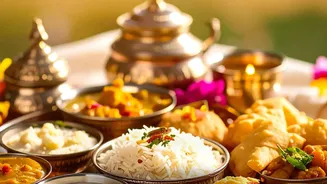
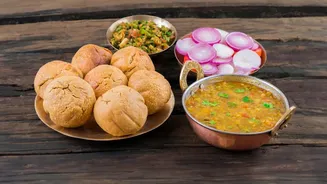
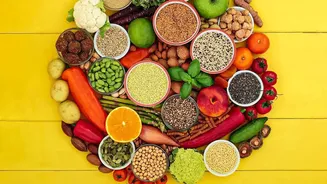
While many foods are restricted, the Sawan diet is rich with nourishing alternatives. Central to 'vrat' or fasting meals are ingredients that are both light and energy-giving. Sabudana (tapioca pearls), kuttu ka atta (buckwheat flour), and singhara atta (water chestnut flour) are popular choices for making everything from khichdi to pooris. A variety of fruits and certain vegetables like potatoes, bottle gourd (lauki), and pumpkin are widely consumed. Dairy products like milk and paneer are also common, along with hydrating options like coconut water and herbal teas. These foods align with the sattvic ideal of being fresh, simple, and wholesome.
A Matter of Household Choice
It’s crucial to remember that Sawan restrictions are not a rigid, one-size-fits-all code. The practices vary significantly across regions, communities, and even individual households. Some devotees observe a strict fast for the entire month, consuming only sattvic foods. Others may only give up non-vegetarian food and alcohol. Many people choose to fast only on the auspicious Mondays (Sawan Somwar). These fasts themselves can range from a 'nirjala' fast (without food or water) to a 'phalahar' diet allowing fruits and milk. Ultimately, the level of observance is a personal or family decision, blending deep-rooted tradition with individual capacity and belief.