




The Golden Rule of Chutney
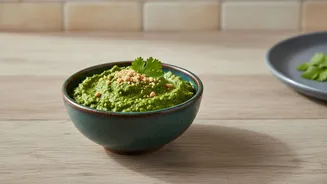
It’s a mantra passed down through generations of home cooks, yet it’s the easiest one to forget in the moment: use as little water as possible. The goal isn't to create a free-flowing sauce, but a thick, spoonable paste where the ingredients are the star.
Your blender will protest, and the temptation to add a generous splash of water to get things moving is immense. Resist. The secret to that perfect, restaurant-style chutney that clings lovingly to a samosa lies in patience and restraint. Adding water should be a last resort, done one teaspoon at a time, only to coax the blades into motion. This single technique is the foundation upon which flavour, texture, and even colour are built.
Why Less Water Means More Flavour
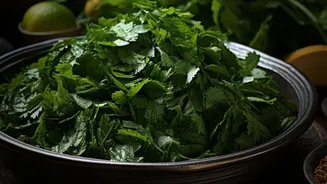
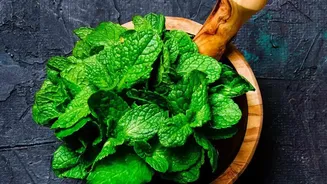
Think of your fresh coriander, mint, chillies, and ginger. They are packed with essential oils that carry all their flavour and aroma. Water is a diluting agent. The more you add, the more you wash out those intense, vibrant tastes. Instead of a punchy, herbaceous kick, you get a muted, watery shadow of what could have been. By using minimal water, you are essentially creating a concentrated flavour bomb. Every spoonful delivers the full impact of your fresh ingredients. The water's only job is to help the blender create a paste; it's a tool, not an ingredient. This is why many chefs start by blending the herbs and spices without any liquid at all, forcing them to break down and release their own moisture first.
Mastering the Perfect Texture
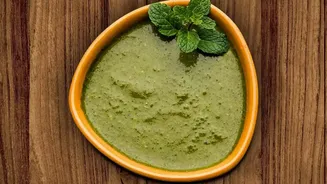
The textural difference is night and day. Too much water leads to separation, where a layer of greenish water pools around the solid pulp. It’s unappealing and makes everything from sandwiches to chaat soggy. A low-water chutney, on the other hand, is a stable emulsion. The ingredients are forced together into a thick, cohesive paste that holds its shape. If you struggle to achieve this consistency, a 'thickening agent' is your best friend. A tablespoon of roasted chana dal (fried gram), a few peanuts, or even a little desiccated coconut can work wonders. These ingredients not only add their own subtle, nutty depth but also absorb any excess moisture, binding the chutney together into a scoopable, uniform delight.
Preserving That Vibrant Green Colour
Ever wonder why your bright green chutney turns a sad, dark brown in the fridge? The enemy is oxidation, a chemical reaction that occurs when the enzymes in the herbs are exposed to air. While some of this is inevitable, excess water can accelerate the process. A thicker paste has less surface area exposed to air. Furthermore, the heat generated by the blender's blades can also speed up oxidation. This is where two other pro-tips come in. First, adding a strong acid like a generous squeeze of lemon juice helps to preserve the green colour. Second, using a few ice cubes or ice-cold water instead of room temperature water helps keep the ingredients cool during blending, slowing down the browning effect.
The Ultimate Chutney Technique
So, how do you put it all together? Start with your fresh, clean herbs, chillies, garlic, ginger, and any thickeners like peanuts or dal in the blender jar. Add your salt and spices. Pulse this dry mixture a few times to chop it up roughly. Now, add your lemon juice and perhaps one or two ice cubes. Blend again. If the mixture is stuck, stop, scrape down the sides with a spatula, and only then add a single teaspoon of ice-cold water. Repeat this process—blend, scrape, add a tiny bit of water—until a thick paste forms. It requires more effort than just drowning the ingredients, but the result is a chutney that's superior in every way: more flavourful, perfectly textured, and beautifully green.