






The Challenge of Creamy Curries
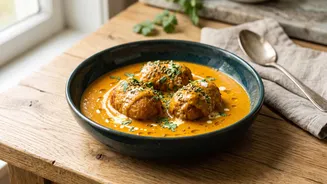
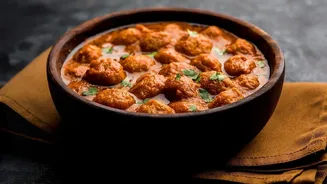
Malai kofta is the undisputed star of many North Indian menus. Its melt-in-the-mouth paneer and potato dumplings (kofta) swim in a luxuriously smooth, creamy gravy (malai). Recreating this at home, however, can be frustrating. Often, homemade versions,
while delicious, lack the aromatic depth and layered flavour that make the restaurant dish so memorable. The gravy might be rich, but it can feel one-dimensional or overly heavy. The missing element is often the sophisticated use of finishing spices, which are added towards the end of cooking to provide a final burst of aroma and flavour.
Kasuri Methi: The Savoury Finisher
Kasuri methi, or dried fenugreek leaves, is a powerhouse of flavour. Unlike fresh fenugreek, the drying process mellows its intense bitterness, leaving behind a complex, earthy, and slightly nutty taste with a maple-like aroma. This unique profile is what makes it an exceptional finishing ingredient. Its slight bitterness works wonders in a rich, creamy, and often sweetish malai kofta gravy, which is typically built on a base of onions, tomatoes, and cashews. The kasuri methi cuts through the richness, preventing the dish from becoming cloying and adding a deep, savoury note that balances the sweetness. For the best results, always crush the dried leaves between your palms before adding them to the gravy. This action helps release their volatile oils, infusing the dish with an irresistible fragrance right before serving.
Cardamom: The Aromatic Soul
Cardamom, or 'elaichi', is the soul of many Indian desserts and rich curries. For a dish like malai kofta, green cardamom is the variety of choice. Its flavour is intensely aromatic, with notes of citrus, mint, and a floral sweetness. While whole spices like cinnamon and cloves are often tempered in hot oil at the beginning of the cooking process to build a foundational flavour, cardamom powder is frequently used as a finisher. A small sprinkle added just before the gravy is taken off the heat lifts the entire dish. Its warm, sweet-spicy fragrance permeates the creamy sauce, providing a high note that complements the deep, earthy tones from the other spices. It adds a touch of perfumed elegance that is a signature of Mughlai-influenced restaurant cooking.
The Art of Layering Flavours
Understanding when to add spices is as important as which ones you use. The cooking process can be seen in layers. The first layer involves blooming whole spices like cumin seeds or bay leaves in hot oil to infuse the base. The next involves cooking down ground spices like coriander and turmeric with the onion-tomato masala. The final layer is where kasuri methi and cardamom powder come in. Adding these delicate aromatics at the end protects their volatile compounds from being destroyed by prolonged cooking. This ensures their fragrance is at its peak when the dish reaches the table, creating a multi-sensory experience where the aroma is as important as the taste. This technique is a hallmark of professional Indian cooking and the key to that elusive restaurant-style finish.
Bringing It All Together
To apply this to your malai kofta, prepare your gravy as you normally would, simmering the onion, tomato, and cashew paste until it is thick and creamy. Once the gravy has reached your desired consistency and the flavour of the base spices has developed, it is time for the final act. Turn the heat down to low. Take about a tablespoon of kasuri methi, crush it between your palms, and stir it into the gravy. Let it simmer for just another minute. Then, turn off the heat completely. Finish with a final sprinkle of about a quarter teaspoon of green cardamom powder and stir it in. Let the gravy sit, covered, for a few minutes to allow the aromas to meld. Only add your fried koftas to the gravy just before serving to ensure they remain intact and don't become soggy.