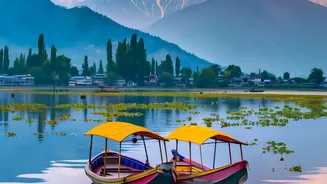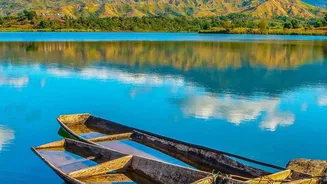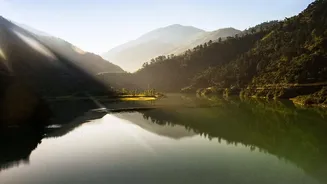




The Magic of Loktak Lake
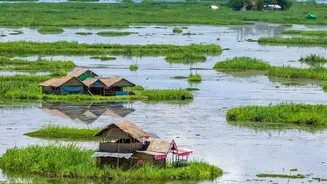
Loktak Lake, located near Moirang in Manipur, is the largest freshwater lake in Northeast India. But its size is not what makes it globally unique. The lake is famous for its 'phumdis' — a Meitei word for the heterogeneous masses of vegetation, soil,
and organic matter that float on its surface. These phumdis are not just patches of weed; they are thick, buoyant islands, some large and stable enough for the local fishing community to build their homes (phumshangs) upon. They drift across the lake's surface, creating an ever-changing landscape that is both surreal and beautiful. This remarkable ecosystem is a vital lifeline for the region, influencing its economy, culture, and biodiversity.
The World’s Only Floating National Park
The largest single phumdi on Loktak Lake, covering 40 square kilometres, has been designated as the Keibul Lamjao National Park. It holds the distinction of being the only floating national park in the world. This sanctuary was created specifically to protect its most famous resident: the endangered Sangai deer. Also known as the brow-antlered deer or 'dancing deer', the Sangai has adapted to move delicately across the spongy, yielding surface of the phumdis. Once thought to be extinct, the species has made a fragile comeback thanks to conservation efforts centred around this unique park. An early morning boat safari offers the best chance to spot the graceful Sangai, along with other wildlife like hog deer and numerous bird species.
How to Plan Your Loktak Visit
Reaching Loktak is most convenient from Imphal, Manipur's capital, which is about 48 km away. You can hire a private taxi or take a shared vehicle to Moirang, the nearest major town. From there, boats are available to explore the lake and reach destinations like Sendra Island, which offers panoramic views from its tourist resort. For a truly immersive experience, consider staying in one of the floating homestays run by local families. The best time to visit is from November to March when the weather is cool and dry, migratory birds are abundant, and chances of spotting the Sangai are highest. Remember that Indian citizens require an Inner Line Permit (ILP) to enter Manipur, which can be applied for online.
Beyond Loktak: Umiam Lake, Meghalaya
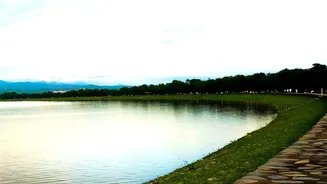
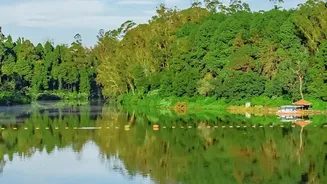
While Loktak's floating islands are unique, other lakes in the Northeast offer different but equally captivating experiences. In Meghalaya, about 15 km north of Shillong, lies Umiam Lake, also known as Barapani or 'Big Water'. This sprawling man-made reservoir is surrounded by the lush Khasi hills and is a major hub for water sports. Visitors can indulge in everything from speedboat rides and water skiing to kayaking and boating. The serene environment and stunning viewpoints make it a popular spot for picnics and leisurely day trips from Shillong.
High-Altitude Wonders: Tsomgo and Gurudongmar, Sikkim
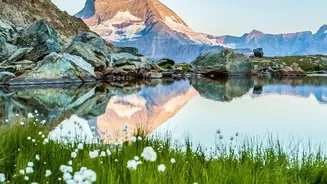
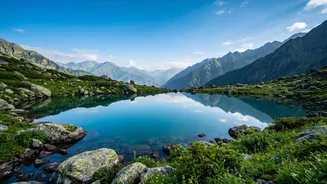
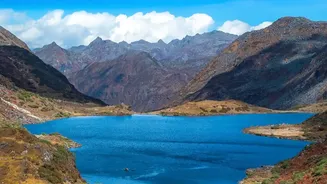
Sikkim is home to some of India's most breathtaking high-altitude lakes. Tsomgo Lake, also called Changu Lake, is a glacial lake situated at an elevation of about 12,400 feet on the road from Gangtok to Nathu La. Surrounded by steep, snow-dusted mountains, its sacred waters change colour with the seasons, from a frozen white in winter to a brilliant turquoise in spring. Even higher, at a staggering 17,800 feet, is Gurudongmar Lake in North Sikkim. Considered holy by Buddhists, Hindus, and Sikhs, this glacial lake remains partially unfrozen even in deep winter, a phenomenon attributed to a blessing by Guru Padmasambhava. Visiting both Tsomgo and Gurudongmar requires special permits and acclimatisation due to the extreme altitude.