




Meet Your New AI Companion
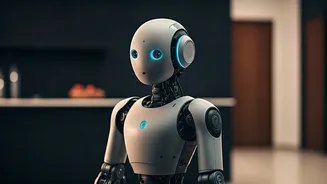
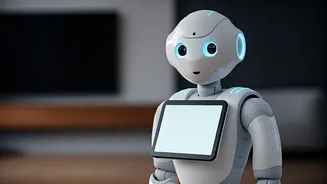
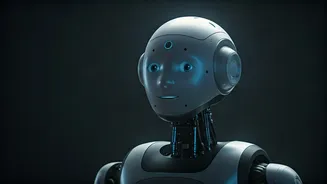
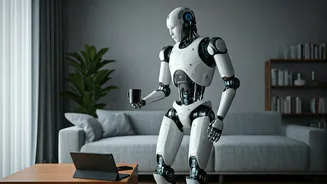
Imagine a robot that remembers your conversations, maintains eye contact, and offers emotional support. This is the promise of the UWORLD U1, a full-size humanoid robot from UBTech designed specifically for companionship. Unveiled in late June 2026, the U1 is not
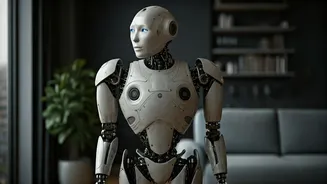
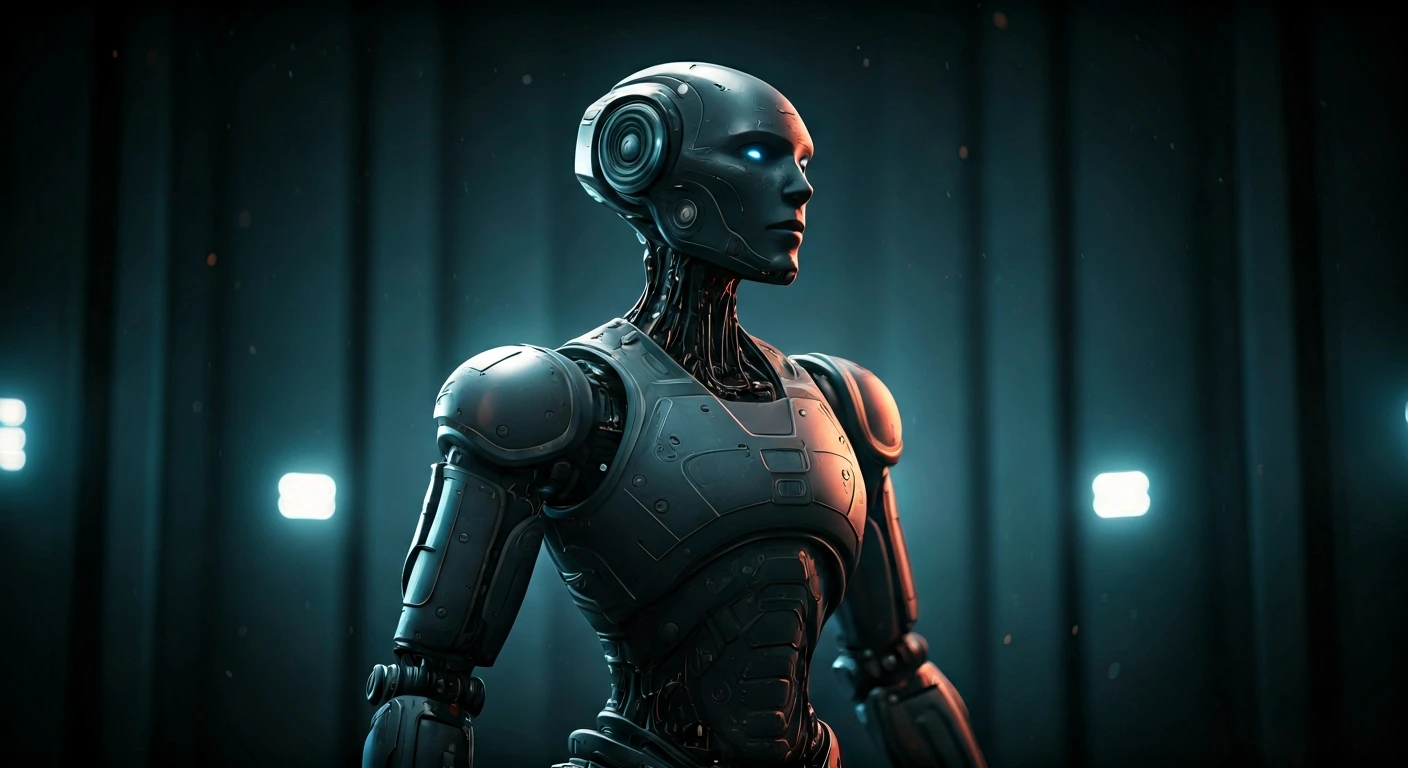
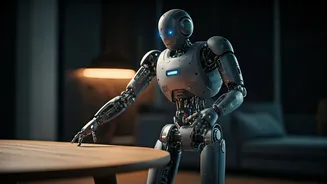
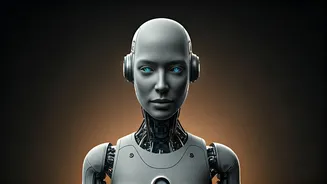
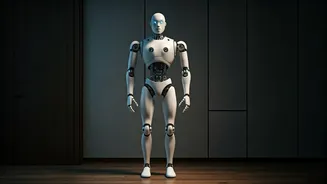
a factory worker or a research project; it's intended for homes, elder care facilities, and other service environments where human interaction is key. With a lifelike silicone skin, 88 moving joints, and an advanced AI, it can mimic over 90% of human movements and recognise more than 20 emotional states. But beyond its physical capabilities, its approach to data privacy is what truly sets it apart in an increasingly connected world.
The On-Device Difference
In an era where smart speakers and cameras often send your personal data to distant cloud servers for processing, the U1 takes a different path. Its core feature is that its emotional AI model runs locally, and user data is stored directly on the device itself. This is a crucial distinction. When your voice commands, conversations, and the visual data the robot collects about your home stay on the robot, it dramatically reduces the risk of that information being accessed by the company or exposed in a server-side data breach. UBTech calls this a "three-layer privacy architecture" built around local-first processing and minimal cloud dependency, a direct response to growing consumer anxiety over data privacy.
What Data Are We Talking About?
A home robot, by its nature, is a powerful data collection device. The U1 is equipped with cameras for eyes, microphones for ears, and various sensors to navigate its environment and interact with people. This includes incredibly sensitive information: the layout of your home, the sound of your voice, the content of your private conversations, and your daily habits. While many devices collect this kind of data, the key question has always been where it goes and who controls it. By processing this information on its internal Rockchip processor, the U1 ensures that the most personal aspects of your life are not uploaded and stored by a third party.
The Trade-Offs of a Private Robot
While on-device storage is a huge win for privacy, it can come with certain trade-offs. Cloud-based AI models benefit from learning from vast datasets collected from millions of users, which can allow them to become "smarter" more quickly. A robot that learns primarily from its own interactions may evolve its capabilities at a slower pace. Furthermore, the most advanced AI features often require immense computational power that can be difficult to fit into a self-contained device. However, this approach also improves reliability, as the robot can function without a constant internet connection. UBTech's bet is that for a companion robot, the trust gained from guaranteeing privacy outweighs the potential limitations in raw processing power.
A New Standard for Trust in Tech?
The development of home robots raises significant ethical and privacy questions that society is only beginning to address. The U1's 'privacy-by-design' philosophy could set an important precedent for the entire consumer robotics industry. As these machines become more integrated into our lives, providing everything from elder care to companionship, user trust will be paramount. Companies that prioritize transparent data handling and user control are more likely to succeed. The U1's on-device storage model isn't just a technical specification; it's a statement that our personal lives should remain personal, even when we share them with a machine.