






The Navratri Fasting Rules
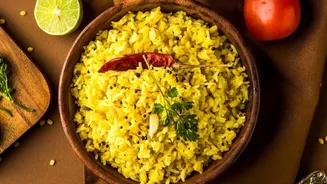
Navratri fasting, or 'vrat', involves abstaining from certain foods to detoxify the body and focus the mind. The diet typically excludes grains, alcohol, meat, onions, and garlic, favouring fruits, dairy, and specific 'vrat-friendly' flours. When it comes
to beverages, the rules can be blurry. While tea is often accepted in many households, coffee's place is more debated, leaving many devotees in a confusing position. Traditionally, the goal of a Navratri diet is to consume 'sattvic' foods—those that are light and calming. Coffee, as a stimulant, doesn't naturally fit this description, which is why it often becomes a point of personal choice and family tradition.
The Acidity and Stomach Question
From a medical standpoint, one of the primary concerns with coffee during a fast is its effect on an empty stomach. Coffee is acidic and can increase the production of stomach acid. For some individuals, this can lead to discomfort, acid reflux, or heartburn, especially when there is no food to act as a buffer. If you are prone to gastritis or acidity, drinking coffee while fasting might aggravate your symptoms. A doctor would advise listening to your body. If you feel any digestive discomfort after your cup, it might be a sign to switch to a less acidic beverage for the duration of your fast.
Caffeine's Impact on Hydration and Energy
Many turn to coffee for an energy boost, which can feel especially necessary during the dietary changes of a fast. However, this energy can come at a cost. Caffeine is a natural diuretic, meaning it can cause your body to lose more fluids. During a fast, when hydration is crucial, this can be a significant drawback. It's essential not to let coffee replace your water intake. Overconsumption can lead to dehydration, headaches, and fatigue. Furthermore, the initial energy spike from caffeine is often followed by a crash, which can leave you feeling more drained than before—counteracting the balanced energy a sattvic diet aims to provide.
A Doctor's Advice: To Drink or Not to Drink?
Most doctors and dietitians agree that there is no absolute medical rule against drinking coffee during a Navratri fast. The decision is highly personal and depends on your individual health. If you are generally healthy and do not experience negative side effects, a single cup of coffee is unlikely to cause harm. However, moderation is key. Experts suggest limiting intake to one or two small cups per day. It is also advisable to avoid drinking it first thing in the morning on a completely empty stomach; having it after a piece of fruit or some milk can help mitigate acidity. Black coffee is often a better choice, as adding milk and sugar adds calories and can be heavier on the digestive system. Ultimately, people with underlying conditions like diabetes, low blood pressure, or severe acidity should consult their doctor before including caffeine in their fasting routine.
Healthier Alternatives for a Caffeinated Kick
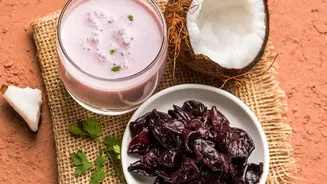
If you decide to skip coffee, or simply want to try something more in line with the spirit of the fast, there are many refreshing and energising alternatives. These beverages can keep you hydrated and provide a more sustained form of energy. Consider starting your day with coconut water, which is rich in electrolytes. Buttermilk (chaas) is cooling for the gut, while lemon water is cleansing. Herbal teas, such as those made with tulsi, ginger, or cardamom, are excellent choices that can aid digestion and promote a sense of calm. For a more filling option, a smoothie made with vrat-friendly ingredients like fruits, nuts, and yogurt can provide both energy and nutrition.