






Your Body During a Fast
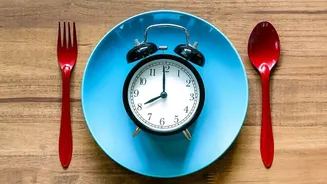
During a fast, your digestive system gets a well-deserved break. The production of digestive enzymes decreases, and your metabolism slows down to conserve energy. Your gut enters a state of rest and repair, a process that can have several benefits, including
reduced inflammation and cellular cleanup. Think of it as a factory shutting down for maintenance; the machinery is temporarily idle. When it's time to start up again, you can't just flip a switch and expect it to run at full capacity instantly. The system needs to be warmed up gently to avoid damage.
The Shock of a Sudden Feast
After several days of light, specific foods or complete fasting, jumping straight into a heavy, rich meal can be a shock to your system. Your gut, which has been in a resting state, is suddenly overwhelmed. This can lead to a host of uncomfortable issues like bloating, gas, indigestion, stomach cramps, and acid reflux. Eating a large quantity of food, especially sugary, fatty, or spicy dishes, forces your unprepared digestive system into overdrive. This can negate the very feelings of lightness and renewal that the fasting period was meant to foster.
The Power of Eating Slowly
This is where the simple act of eating slowly becomes a powerful tool. It takes about 20 minutes for your stomach to send signals to your brain that it is full. When you eat quickly, you can easily consume far more food than your body needs before this signal even has a chance to register. By slowing down, you give this intricate communication system time to work. You become more aware of your body's satiety cues, allowing you to stop when you are comfortably full, not painfully stuffed. This mindful approach helps your digestive system gradually ramp up its enzyme production and metabolic rate, ensuring a smoother transition.
Your First Post-Fast Meals
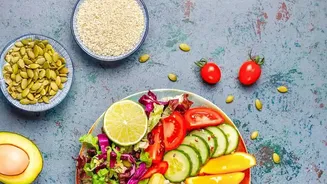
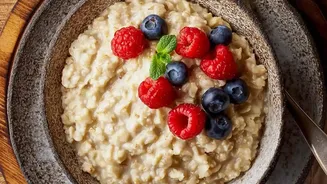
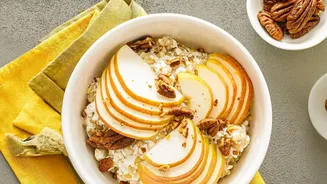
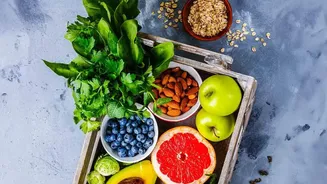
The first foods you choose are crucial. Opt for items that are hydrating and easy to digest. Think of it as reawakening your gut with a gentle nudge, not a shove. Excellent choices include bone broths, a small bowl of plain yogurt or curd, or diluted fruit juices. A simple moong dal khichdi, without excessive spices, is a fantastic option that is both nutritious and comforting. Cooked vegetables, hydrating fruits like watermelon, and fermented foods like kefir can also be great introductions. Avoid anything overly processed, high in sugar, or deep-fried for the first day or two.
Pacing Your Return to Normalcy
The transition back to your regular diet should be gradual. On the first day after breaking your fast, stick to small, light meals. By the second day, you can start incorporating more complex foods, like lean proteins (paneer, chicken, fish) and whole grains, but still in moderate portions. Pay close attention to how your body feels. If you feel bloated or heavy, scale back. It might take a few days for your digestive system to fully adjust and get back to its usual rhythm. The key is patience; the festive delicacies will still be there tomorrow, and they will be far more enjoyable without digestive distress.