



Understanding Your Skin’s Protective Shield
Think of your skin barrier, or stratum corneum, as a diligent security guard for your face. This outermost layer is made of tough skin cells held together by lipids like ceramides and fatty acids. Its job is twofold: to keep environmental aggressors like pollution
and bacteria out, and to keep essential water in. When this barrier is strong and intact, skin looks smooth, calm, and hydrated. But if it becomes compromised, it can lead to a host of issues, including redness, sensitivity, itchiness, and chronic dryness. A weakened barrier can’t effectively hold onto moisture, making skin more vulnerable and less responsive to other products in your routine.
What Happens to Skin in Your 40s?
The changes you see in your 40s are rooted in biology. Cell turnover, which happens roughly every 28 days in your 20s, slows to a 45-day cycle or longer. This means dead cells linger on the surface, contributing to a dull, rough appearance. Simultaneously, the production of collagen, the protein that provides structure and plumpness, continues to decline. Hormonal shifts, particularly during perimenopause, also play a significant role. Fluctuating estrogen levels can reduce the skin's thickness and its ability to retain moisture. The skin's natural production of lipids, including those crucial ceramides, also diminishes, further weakening the barrier. As a result, many people find their skin becomes drier and more easily irritated than ever before.
Rebuild the Barrier with Ceramides and Lipids
If your skincare focus in your 30s was on active ingredients, your 40s are about providing support. To rebuild a weakening barrier, you need to replenish the materials it’s made of. Ceramides are the undisputed heroes here. These lipids are a fundamental component of your skin barrier, and applying them topically helps restore its structure, lock in moisture, and improve resilience. Look for moisturizers and serums that explicitly list ceramides, cholesterol, and fatty acids. These ingredients mimic your skin's natural composition, helping to soothe sensitivity and reduce that tight, dry feeling. A strong barrier is better able to tolerate active ingredients like retinoids, making your entire routine more effective.
Boost Hydration from Within
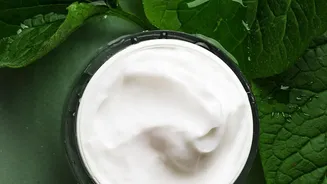
While barrier repair focuses on sealing the skin, you also need to increase its water content. This is where humectants come in. Hyaluronic acid is a well-known powerhouse, capable of holding many times its weight in water, which helps to plump up the skin and soften fine lines from the inside out. Glycerin is another effective, no-frills humectant that draws moisture into the skin. In your 40s, you may find that lightweight gel moisturizers are no longer sufficient. Instead, opt for richer creams that combine humectants (to attract water) with barrier-repairing lipids and occlusives (to seal it all in). Consistently applying a high-quality moisturizer is one of the most impactful steps for maintaining healthy skin in this decade.
Adjust Your Routine for Gentler Care
A supportive skincare routine in your 40s is as much about what you don't do as what you do. Avoid harsh, stripping cleansers that leave your skin feeling tight; a gentle, hydrating formula is a much better choice. While exfoliation is still important for tackling dullness from slower cell turnover, you may need to reduce the frequency or strength. Over-exfoliating is a primary cause of barrier damage. Finally, sunscreen remains non-negotiable. Sun exposure is a leading contributor to the breakdown of collagen and the weakening of your skin's defenses. A broad-spectrum SPF of 30 or higher, applied daily, protects your investment in all the other steps of your routine.