



The Science of Comfort
Our connection to certain foods goes far beyond taste. Scent is a powerful trigger for memory and emotion, and the aromas of honey and chamomile are deeply rooted in our collective consciousness as signals of warmth and relaxation. Chamomile, in particular,
contains a flavonoid called apigenin, which is known to have calming effects that can help reduce anxiety. When you sip a chamomile-infused drink or bite into a dessert, you're not just tasting its flavour; you're experiencing a complex sensory event that tells your brain it's time to unwind. This connection between our digestive and nervous systems is why a comforting flavour can feel like a warm hug from the inside.
The Gentle Power of Chamomile
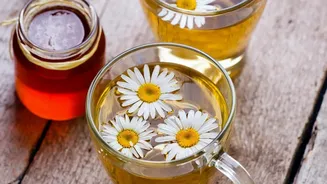
Often dismissed as just a simple tea, chamomile is a flavour powerhouse in its own right. The name itself comes from the Greek for 'ground apple', a nod to its distinct, subtly sweet, and fruity notes. Good quality chamomile tastes gentle and floral, with a honey-like warmth and a clean finish. There are two main varieties, German and Roman chamomile, with German being the most common for its sweeter, less bitter profile. For centuries, it's been used not just for relaxation and sleep, but also to soothe stomach discomfort and reduce inflammation. Its delicate, apple-like sweetness makes it a versatile ingredient, capable of lending a sophisticated floral note to any dish without overpowering it.
Honey: Nature's Liquid Gold
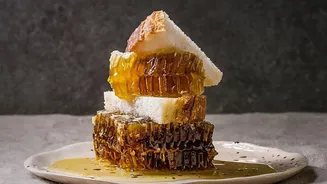
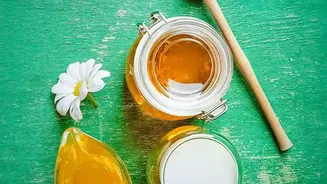
Honey is more than just a sweetener; it’s a complex ingredient with a profile that varies wildly depending on the flowers the bees visited. Its natural antibacterial and antioxidant properties have been celebrated for millennia. The soothing texture of honey is physically comforting, especially for a scratchy throat, but its benefits run deeper. The natural sugars in honey can provide a gentle energy lift, and when paired with chamomile, it helps to balance the flower's slightly herbal notes, enhancing its natural sweetness. Honey also amplifies the absorption of some of chamomile's beneficial compounds, making them a true power couple.
A Perfect Culinary Marriage
When combined, honey and chamomile create a flavour profile that is both complex and deeply harmonious. The rich, floral sweetness of honey perfectly complements the gentle, apple-like notes of chamomile. Honey’s viscosity adds a luscious mouthfeel, while chamomile provides an aromatic, almost ethereal quality. This pairing works because they balance each other; the honey rounds out any potential bitterness from a strong chamomile infusion, and the chamomile prevents the honey’s sweetness from becoming one-dimensional. Together, they create a flavour that is universally soothing and reminiscent of peaceful moments.
Beyond the Teacup: Desserts Reimagined
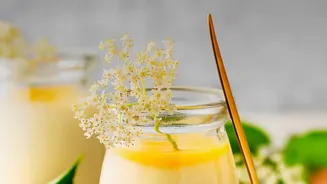
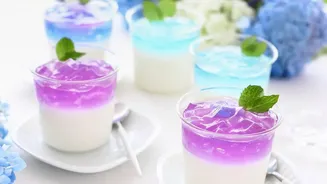
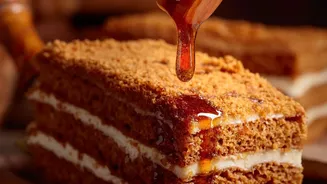
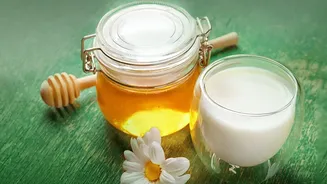
While a warm cup of chamomile tea with honey is a timeless classic, chefs and home bakers are increasingly using this combination in innovative desserts. Imagine a creamy panna cotta, infused with chamomile and sweetened only with honey, creating a light yet decadent treat. Finely ground chamomile flowers can be added to cookie dough, imparting a delicate floral scent that fills the kitchen as they bake. Other delightful creations include chamomile-honey infused syrups drizzled over ice cream, refreshing sorbets for a summer day, and delicate cakes where the milk or cream has been steeped with chamomile flowers for a subtle, aromatic flavour.