


An Ally for Monsoon Digestion
One of the biggest challenges during the rainy season is a sluggish digestive system. The high humidity can slow down our metabolism, leading to issues like bloating, constipation, and indigestion. This is where papaya shines. It contains a unique enzyme
called papain, which is a proteolytic enzyme, meaning it helps break down proteins efficiently. Including fresh papaya in your diet can aid your stomach in processing meals more effectively, preventing the discomfort that often accompanies the season. Its high fiber and water content also contribute significantly to regular bowel movements, keeping your gut happy and healthy.
A Shield Against Seasonal Illness
The monsoon is notorious for being the peak season for colds, flu, and other infections. The damp environment is a breeding ground for viruses and bacteria. Strengthening your immune system is your best line of defence, and papaya is an excellent tool for the job. It is packed with Vitamin C, a powerful antioxidant known to bolster the immune system by supporting the function of white blood cells. A single medium-sized papaya can provide more than 200% of your daily required intake of Vitamin C. It's also a good source of Vitamin A, another crucial nutrient for a properly functioning immune system.
A Powerhouse of Essential Nutrients
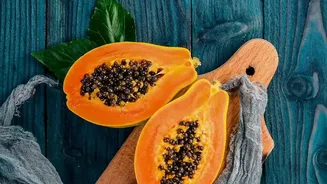
Beyond its digestive and immune-boosting properties, papaya offers a wealth of other essential nutrients. It is a good source of potassium, which helps regulate blood pressure, and folate. The fruit is also rich in antioxidants like carotenoids, including beta-carotene and lycopene, which give the fruit its vibrant orange colour. These antioxidants help protect the body's cells from damage caused by free radicals. Moreover, papaya is naturally low in calories and fat-free, making it a guilt-free addition to your diet that helps you feel full and satisfied.
Dispelling Monsoon Myths and Concerns
A common concern during the monsoon is the risk of water-borne diseases from contaminated fruits. While caution is wise, papaya is generally considered safe when handled correctly. Its thick skin provides a natural barrier against contaminants. The key is to buy whole papayas, wash the exterior thoroughly before cutting, and consume them fresh. Avoid pre-cut papaya from street vendors, as the risk of contamination is higher. Another topic that often comes up is dengue, which is more prevalent during the monsoons. While papaya leaf extract is a popular folk remedy for increasing platelet counts, it is not a substitute for proper medical treatment, and one should always consult a doctor.
How to Best Enjoy Papaya
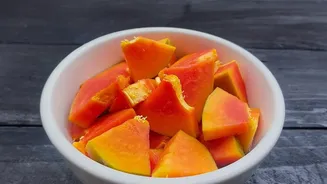
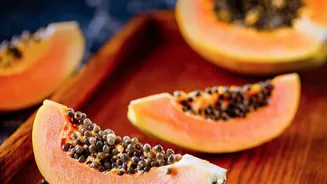
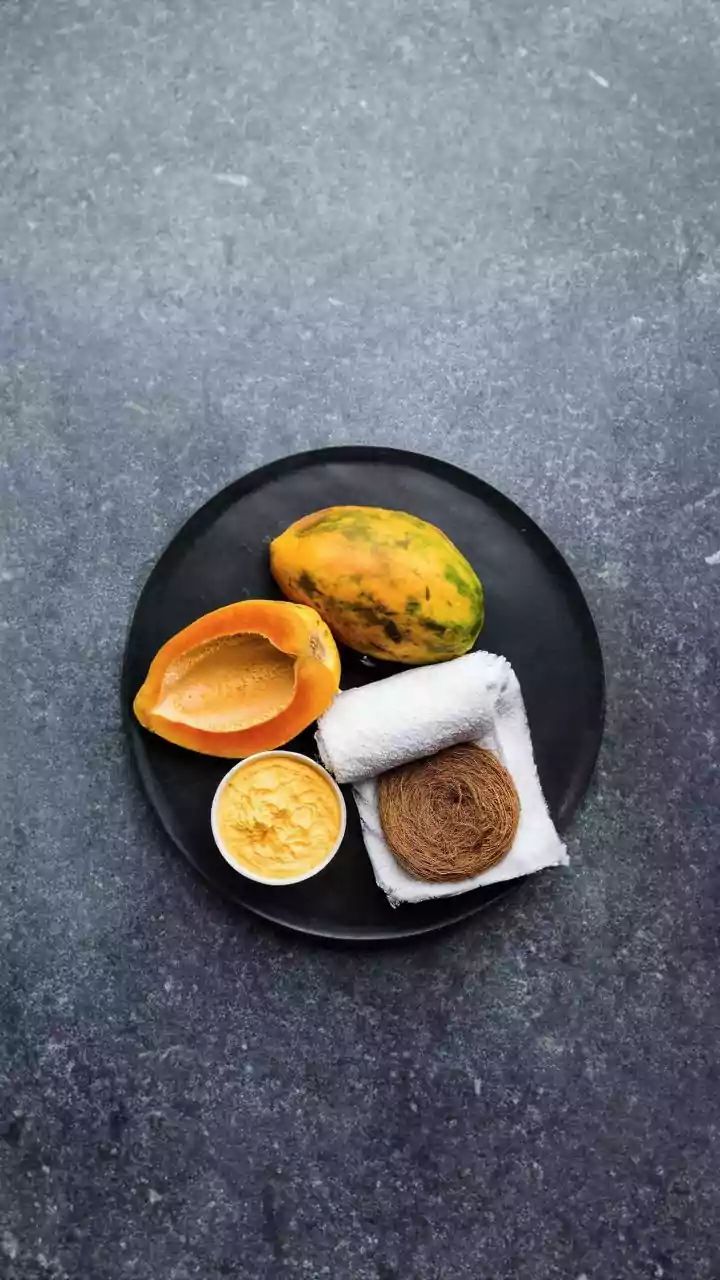
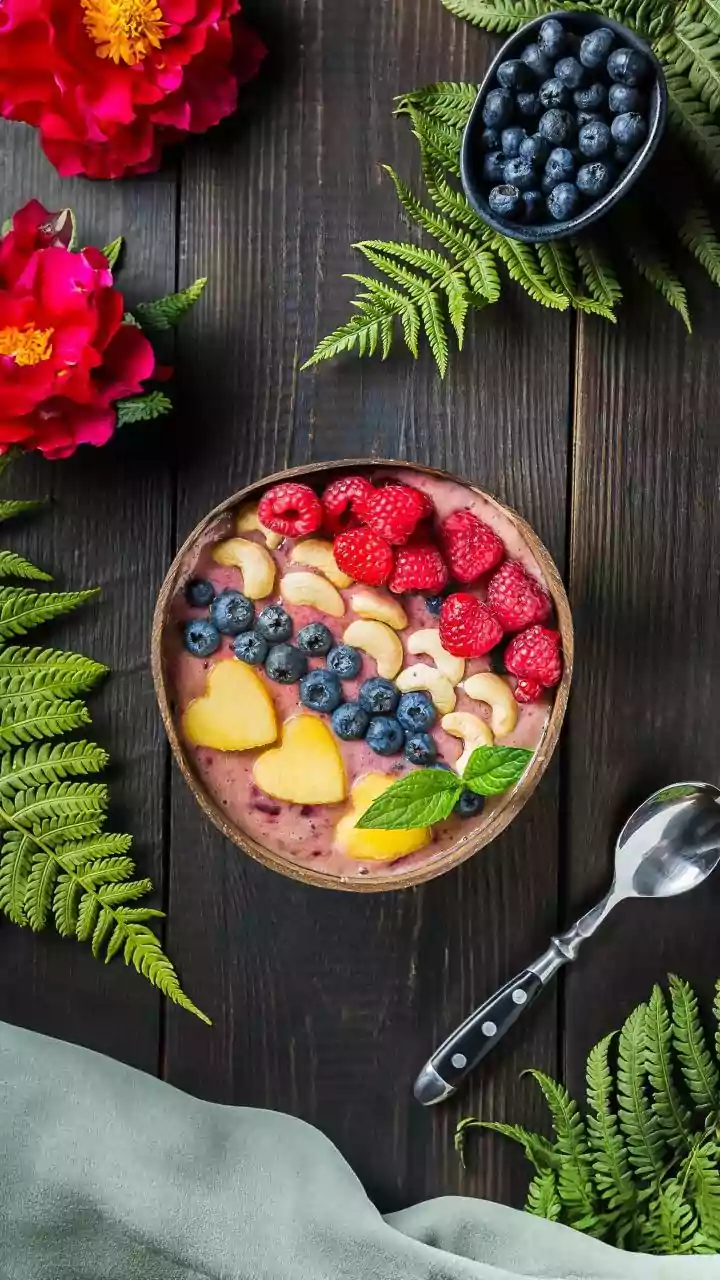
Incorporating papaya into your monsoon diet is simple. A bowl of freshly cut papaya makes for a perfect breakfast or a mid-day snack. You can squeeze a bit of lime or lemon juice on it to enhance its flavour. It also works wonderfully in smoothies, blended with other monsoon-friendly fruits, or as a naturally sweet dessert after a meal. The best papayas in India are often found around August and September, making them a truly seasonal delight for the monsoon months. When selecting a papaya, look for one with skin that is turning from green to yellow and yields slightly to gentle pressure.