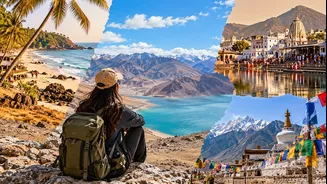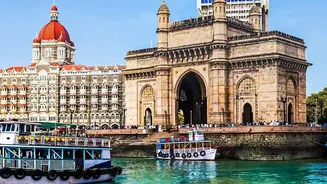





The well-trodden tourist trails of Goa and Manali may soon be quieter. A new report from digital travel platform Agoda signals a significant shift in how Indians travel, with a growing desire to escape the crowds and discover the unknown.
The 55% Finding Explained
The headline
finding from Agoda's '2027 Asia Travel Pulse' survey is clear: Indian travellers are leading Asia in the search for unique experiences. The report, which surveyed over 3,300 people across 11 Asian markets, found that 55% of Indian travellers are likely to visit a lesser-known destination in 2027. This figure is dramatically higher than the Asian average of just 36%, positioning Indians as the most adventurous travellers in the region when it comes to ditching popular hotspots for 'offbeat' alternatives. This isn't just about avoiding crowds; it's a deliberate move towards more intentional and meaningful journeys. According to Agoda, this trend has been building, reflecting a desire for cultural richness and authentic experiences over checklist tourism.
Why the Shift to Hidden Gems?
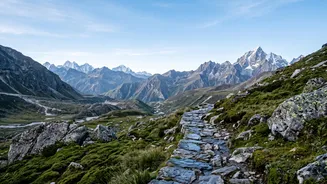
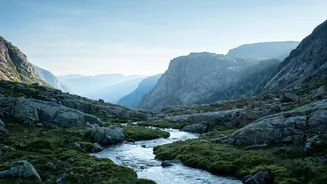
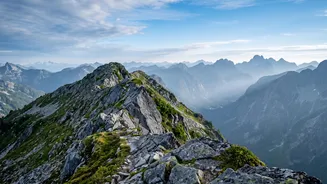
Several factors are driving this pivot towards the path less travelled. A key motivation for Indian travellers is the call of the wild, with 42% identifying outdoor adventure as a primary reason to travel. This thirst for nature-led escapes is reflected in Agoda's search data, which has shown sharp rises for mountain destinations like Leh, Kasol, and McLeod Ganj. Beyond adventure, there's a powerful pull towards purpose-driven travel. The survey highlights that 14% of Indians travel for spiritual or religious journeys, a figure three and a half times the Asian average. This quest for meaning is sending travellers to destinations like Pushkar, which saw a 195% jump in searches, and Dharamshala, with a 154% increase. The trend also points towards a desire for more immersive trips, with travellers planning longer stays to properly explore a new place rather than rushing through it.
Emerging Destinations in the Spotlight
While the survey points to a general trend, Agoda's search data provides specific examples of which lesser-known Indian destinations are capturing travellers' imaginations. The holy city of Pushkar in Rajasthan, especially around the vibrant Holi festival, has seen a massive 195% increase in search interest. Similarly, Dharamshala, the Himalayan home of the Dalai Lama, recorded a 154% surge in searches. The gateway to Ladakh's stunning high-altitude landscapes, Leh, is also high on the list, with a 143% rise in interest. These locations offer a blend of what the modern Indian traveller seems to be seeking: adventure, spirituality, and a genuine connection to place, far from the overrun tourist circuits. This indicates a clear pivot from beaches and mainstream hill stations to destinations that offer deeper, more personal experiences.
Longer Trips, More Value
The shift in destination choice is accompanied by a change in travel style. The era of the whirlwind weekend trip may be giving way to more extended holidays. The survey found that 26% of Indian travellers anticipate their trips in 2027 will last between 8 and 12 days. This is significantly higher than the Asian average of 15% and suggests a desire to slow down and absorb the local culture. This preference for longer breaks allows for deeper exploration of these offbeat locations. At the same time, value remains a key consideration. While travellers are seeking unique experiences, they are still mindful of costs. According to Gaurav Malik, a country director at Agoda, while travellers are becoming more intentional, 'value, convenience and overall travel costs remain key considerations'.