




Understanding the Current Situation
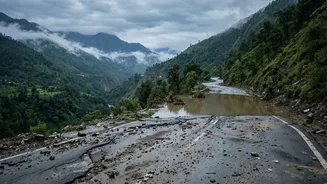
On August 26, 2026, a catastrophic flash flood, believed to have been caused by a glacial collapse on the Nepal-Tibet border, surged down the Bhote Koshi and Trishuli river corridors. The disaster caused significant loss of life and widespread destruction
of roads, bridges, and villages in specific northern districts, primarily Rasuwa, Nuwakot, and Dhading. It's crucial to understand that this was a localized disaster, not a nationwide flood. While the impact in these areas is severe and long-term, many of Nepal's key tourist regions were entirely outside the flood path and remain fully operational.
The Most Affected Areas: What to Avoid
Travel to the Rasuwa district and the Langtang region is not advised. The disaster has closed the Langtang, Rasuwa, and Bhote Koshi corridor, and significant infrastructure, including the road to Syabrubesi which serves as a gateway to the Langtang trek, has been destroyed. The border crossing at Rasuwagadhi-Gyirong has also been obliterated. Government travel advisories from countries like the UK and Australia urge travelers to reconsider non-essential travel to the affected districts along the Trishuli River. The Nepal Tourism Board has also advised avoiding the Muglin-Narayangadh and Galchhi-Nuwakot-Rasuwa-Syabrubesi corridors.
Major Tourist Hubs: Largely Open for Business
For the majority of tourists, the news is reassuring. Key destinations like the Kathmandu Valley (including Kathmandu, Patan, and Bhaktapur), Pokhara, and Lumbini were not impacted by the floods and are operating normally. Similarly, major trekking regions including the Everest (Khumbu) and Annapurna circuits are fully open and accessible, as they are on entirely separate river systems. Overland travel between Kathmandu, Pokhara, and Chitwan is also running as usual. While Chitwan National Park is located in the Terai region, which often sees monsoon flooding, initial reports indicate it is also operating normally and was not in the path of this specific disaster.
Your September Trekking Plans
September marks the beginning of Nepal's prime autumn trekking season, with clearer skies and lush post-monsoon landscapes. All major trekking trails, including Everest Base Camp, Annapurna Base Camp, and the Manaslu Circuit, are open and preparing for the seasonal influx of hikers. The only major trekking area directly impacted is the Langtang Valley due to the destruction of access roads. If your itinerary included Langtang, you will need to make alternative plans. For all other treks, it is wise to book flights and accommodation in advance, as mid-to-late September is a popular time. While trails are open, early September can still see lingering monsoon showers, so occasional flight delays, particularly to mountain airfields like Lukla, are possible.
Transportation and Staying Informed
Tribhuvan International Airport in Kathmandu remains fully operational for international and domestic flights. However, road travel can still be affected by the tail-end of the monsoon season, which can cause landslides separate from the main flood disaster. Sections of the Prithvi Highway, a key artery, have faced temporary blockades, so overland journeys may face delays. The most critical advice for any traveler is to stay updated. The Nepal Tourism Board has established an information desk to provide updates on the situation. Before you travel, and while you are there, check with your tour operator or airline, follow the advice of local authorities, and monitor news from credible sources.