




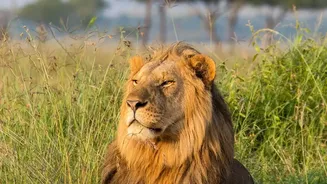
A Roaring Comeback Story
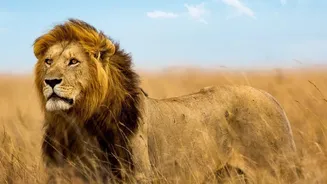
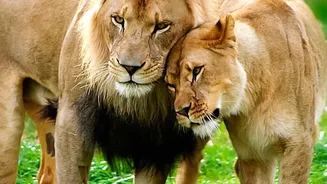
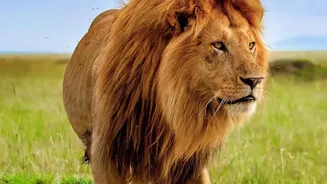
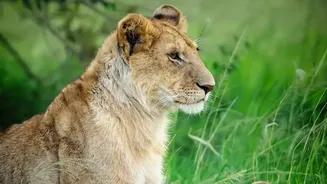
Not long ago, the Asiatic lion was on the brink of extinction. Confined to a single pocket of the Gir forest in Gujarat, their numbers had dwindled to a few dozen by the early 20th century. Decades of dedicated conservation efforts scripted a remarkable
turnaround. From that perilous state, the population has rebounded dramatically. The last official census in 2020 pegged their number at 674, and unofficial counts suggest the population has continued to grow, with lions now found roaming across a vast 30,000 square kilometre area in the Saurashtra region. This success, however, has created a unique and pressing challenge: all the world's wild Asiatic lions live in a single, geographically concentrated population. This makes them incredibly vulnerable to unforeseen catastrophes.
The Risk of a Single Basket
Wildlife experts have long warned about the dangers of having the entire population of a species in one place. A single outbreak of a deadly disease, like canine distemper virus which has affected lion populations in Africa, could be devastating. Similarly, a large-scale natural disaster such as a forest fire or an extreme weather event could wipe out a significant portion of the population, undoing a century of conservation work in one fell swoop. Beyond catastrophic events, the high density of lions in the Gir landscape has led to increased infighting and a rise in human-lion conflict as the animals disperse into surrounding villages and agricultural lands in search of territory. Securing a second, separate habitat is no longer just a good idea; it's a critical insurance policy for the species' long-term survival.
Why Barda Sanctuary?
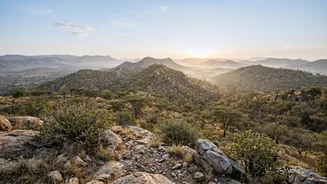
After years of consideration, the Barda Wildlife Sanctuary, located about 100 kilometres from the Gir National Park, has been identified as the most promising second home. This choice is far from random. Historically, Barda was part of the lions' natural range, with the last lion in the sanctuary reportedly seen in the late 19th century. The terrain, with its hilly landscape, forests, and water sources, is considered suitable for supporting a lion population. Under 'Project Lion', a government initiative for the conservation of the species, Barda has been earmarked for development as a backup habitat. The plan is not to immediately move a large number of lions, but to prepare the sanctuary to host a founder population that can grow and establish itself over time, creating a genetically distinct and geographically separate pride.
Paving the Way for a New Home
Preparing Barda for its new inhabitants is a meticulous process. A key focus is on increasing the prey base. A healthy lion population requires a steady supply of animals like sambar, nilgai (blue bull), and wild boar. To achieve this, the Gujarat Forest Department has been working on habitat restoration and breeding programs for herbivores within the sanctuary. Water sources are being augmented to ensure they are sufficient year-round. Furthermore, the area needs to be secured to minimise potential conflict with the human populations living on the periphery of the 192-square-kilometre sanctuary. A proposal details a phased approach where a small number of lions would be translocated initially, allowing them to adapt to their new environment under careful monitoring. The ultimate goal is for Barda to support a breeding population of around 40 lions.
The Road Ahead and Its Hurdles
While the plan is a significant step forward, the journey is not without its challenges. The translocation of a large predator is a complex and delicate operation that requires immense scientific and logistical expertise. Ensuring the lions stay within the sanctuary's boundaries and do not stray into nearby human settlements will be a primary concern. The success of the project hinges on the sustained effort to enrich the prey base and manage the habitat effectively over the long term. State officials have indicated that while Barda is the chosen site, the actual translocation is still some time away and will only happen after a thorough assessment confirms the sanctuary is fully prepared. It represents a proactive, science-led approach to conservation, moving from simply saving a species to actively securing its future against emerging threats.