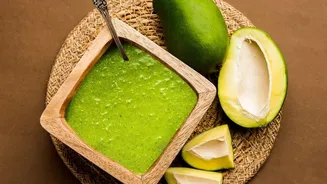







The Chutney Colour Conundrum
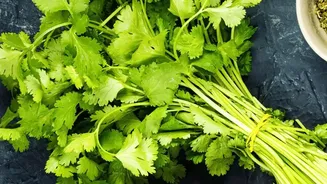
That disappointing colour change from vivid green to murky brown is thanks to a natural process called enzymatic browning. When you blend fresh herbs like coriander and mint, you break down their cell walls. This releases enzymes, most notably one called polyphenol
oxidase (PPO). When this enzyme is exposed to oxygen in the air, it triggers a chemical reaction. This reaction converts the natural phenolic compounds found in the herbs into new molecules that have a brown or dark colour. It’s the same process that causes a sliced apple or potato to turn brown when left on the counter. The heat generated by the blender blades can also speed up this reaction, which is why your chutney can sometimes start to darken almost immediately after you make it.
Your Zesty Hero: Lemon Juice
This is where the humble lemon comes to the rescue. Adding a generous squeeze of lemon juice does two wonderful things for your chutney. First, and most obviously, it adds a delicious tangy flavour that cuts through the earthiness of the herbs and the heat of the chillies, balancing the overall taste. But just as importantly, it acts as a natural preservative, helping to slow down that browning process. The key ingredient responsible for this magic is ascorbic acid, better known as Vitamin C. Lemon juice is packed with it, making it a powerful, all-natural tool to keep your chutney looking as fresh as it tastes.
The Science Behind the Squeeze
So, how exactly does it work? Ascorbic acid is a potent antioxidant. In simple terms, an antioxidant's job is to prevent or slow down damage caused by oxygen. The ascorbic acid in the lemon juice essentially sacrifices itself, reacting with the oxygen before the browning enzymes (PPO) get a chance to. It interrupts the chemical chain reaction that leads to the formation of those brown pigments. Furthermore, acids like lemon juice lower the overall pH of the chutney. The browning enzymes are less effective in an acidic environment, which provides another layer of protection against discolouration. While it’s very effective, it’s important to remember that lemon juice slows down the process rather than stopping it completely. Your chutney will still eventually darken, but adding lemon gives you a much longer window to enjoy its vibrant colour.
Tips for Maximum Vibrancy
While lemon juice is a star player, you can combine it with other techniques for even better results. One popular trick is to add a few ice cubes or use ice-cold water when blending. This helps to counteract the heat generated by the blender's motor, keeping the enzymes from becoming too active. Proper storage is also crucial. Transfer your finished chutney to an airtight container immediately to minimize its exposure to air. Some home cooks swear by pouring a very thin layer of oil on top of the chutney before sealing the container, creating a physical barrier against oxygen. For longer storage, freezing the chutney in an ice cube tray is an excellent option. This allows you to thaw small, fresh portions as needed, preserving both colour and flavour for months.
Getting the Balance Right
While lemon juice is a fantastic preservative, its primary role is flavour. The amount you add should complement the other ingredients, not overpower them. Start with the juice of half a lemon for a standard batch and taste as you go. You're looking for a bright, zesty lift that makes the other flavours pop. If you find the chutney is too tangy, you can balance it with a tiny pinch of sugar. This doesn't make the chutney sweet, but it can round out the sharp acidic notes, creating a more harmonious flavour profile. Some recipes also incorporate ingredients like yogurt, peanuts, or roasted gram dal (chana dal), which can help create a thicker, creamier texture and may also contribute to colour stability. The art of a perfect green chutney lies in this balance of taste and technique.