




Embrace the Smart Swap
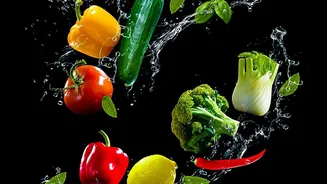
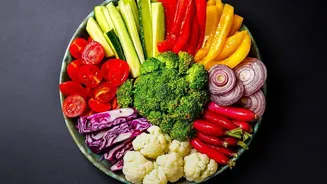
A fixed recipe is a suggestion, not a command. When a key ingredient's price skyrockets, don't abandon the dish—adapt it. If bell peppers are costly, seasonal carrots, bottle gourd (lauki), or cabbage can provide a wonderful texture and absorb masalas
just as well. If a recipe calls for expensive broccoli or zucchini, consider using cauliflower or local gourds which are often more affordable. This applies to proteins too. Paneer can be swapped with homemade crumbled paneer (chenna), dense dals like chana dal, or even boiled potatoes in many curries. The goal is to capture the essence of the dish, not replicate it perfectly. By seeing ingredients as interchangeable building blocks, you open up a world of cost-effective culinary creativity.
Master Your Masala Base
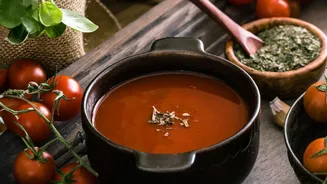
The heart of many Indian dishes is the foundational masala. Whether it’s a simple tadka of cumin and mustard seeds or a complex onion-tomato gravy, mastering a few versatile bases is a superpower. Once you have a flavourful base, you can add whichever vegetable is fresh and affordable at your local market that day. This decouples your meal plan from specific, potentially expensive vegetables. A robust bhuna masala can be the perfect home for anything from potatoes and peas to drumsticks or cluster beans. This approach allows you to shop based on price and availability, ensuring your meals are always economical without sacrificing the authentic flavours you love.
Follow the Seasons, Not the Supermarket
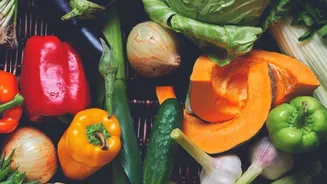
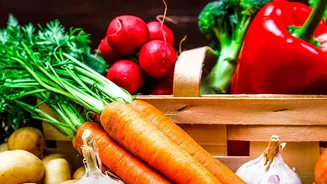
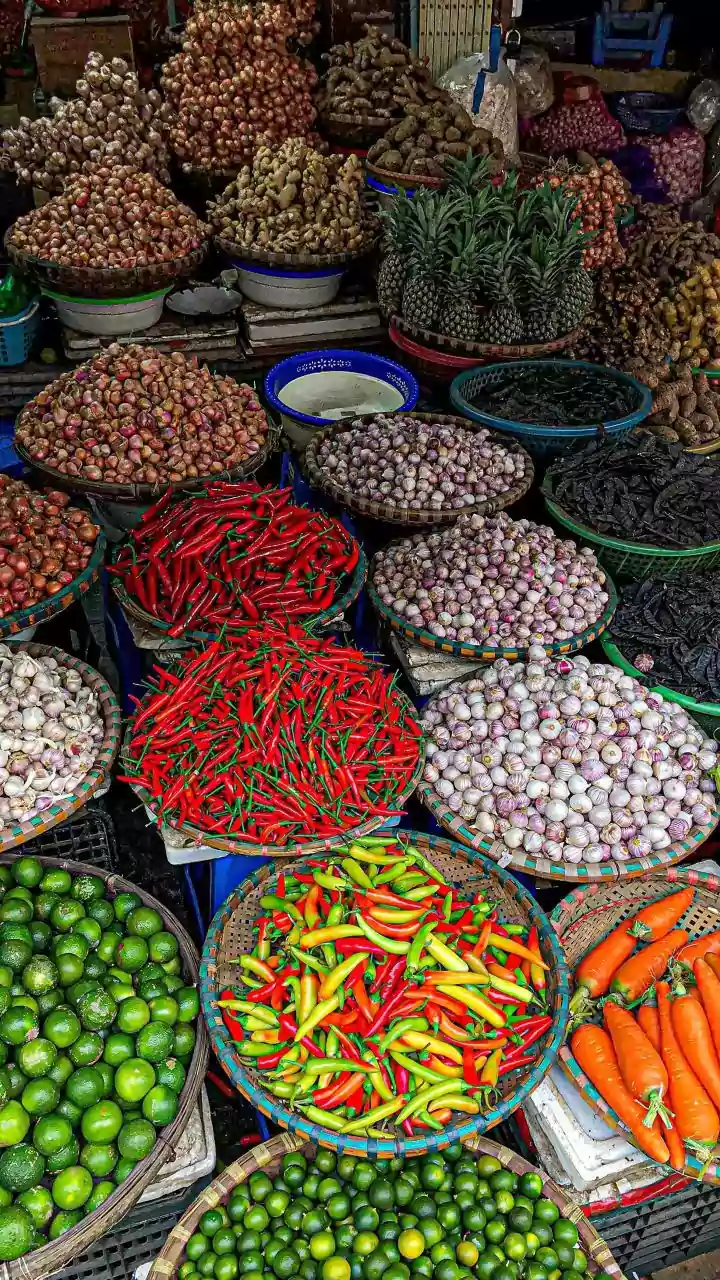
Supermarkets offer convenience and year-round availability, but this often comes at a high price for out-of-season produce. Your local sabzi mandi, on the other hand, is a direct reflection of what's truly in season, and therefore, what's cheapest. During winter, embrace carrots, spinach, peas, and cauliflower. The monsoon brings a bounty of gourds, corn, and green chillies. Planning your meals around this natural calendar is the single most effective way to cut costs. Seasonal produce is not only lighter on the wallet but is also fresher, more nutritious, and has a smaller carbon footprint. Make a habit of seeing what’s abundant and well-priced at the local market first, then decide on your menu.
Rethink Your Grains and Lentils
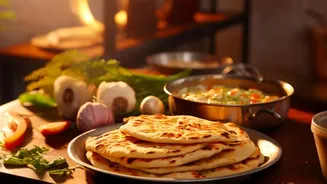
While we have our favourite dals, prices can fluctuate. Being flexible can lead to delicious discoveries. If toor dal prices are high, consider using masoor dal or a mix of dals (panchmel dal) which might be more economical and offers a complex flavour. Don't forget about other nutritious and affordable grains beyond wheat and rice. Millets like bajra, jowar, and ragi are making a comeback for good reason. They are hardy crops, often cheaper than refined grains, and incredibly versatile for making rotis, dosas, or porridge. A well-stocked pantry with a variety of affordable dals and grains is your first line of defence against price volatility in the fresh produce aisle.
Adopt a 'Use-It-Up' Philosophy
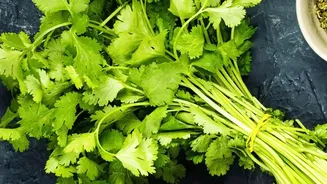
Reducing food waste is another way of saving money. Before a vegetable wilts in your fridge, find a way to use it. A mix of leftover vegetables can be turned into a delicious pav bhaji, a hearty vegetable pulao, or a simple stir-fry. Slightly soft tomatoes can be pureed for a future curry base. Coriander stems, which are often discarded, are packed with flavour and can be ground into chutneys or added to stocks. Stale bread can become bread upma, and leftover rice is perfect for lemon rice or fried rice. This mindset shift from 'what do I want to cook?' to 'what do I need to use up?' ensures that every rupee you spend on groceries ends up on your plate, not in the bin.