




Beyond the Solid Block
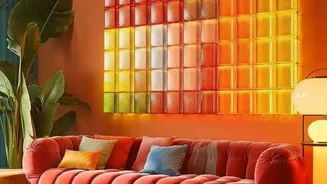
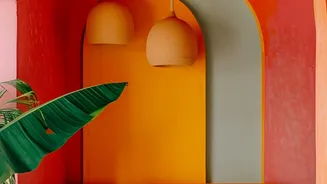
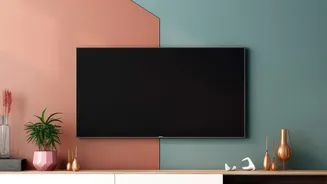
For years, colour-blocking meant painting large, solid sections of a wall, often in a simple half-and-half design. The modern approach, however, uses the crisp lines of geometry to create something far more eye-catching. Think overlapping triangles, bold
chevrons, offset rectangles, and even playful circles or arches. This technique moves beyond just colour and uses shapes to add structure, rhythm, and a sense of movement to a room. The result is an accent wall that feels like a custom piece of art, transforming a flat surface into a dynamic focal point. It's a style that blends the traditional love for colour with clean, contemporary lines that work beautifully in modern Indian homes.
Finding Your Perfect Palette
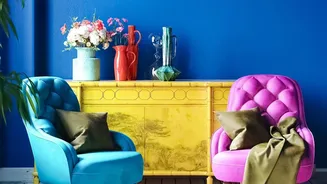
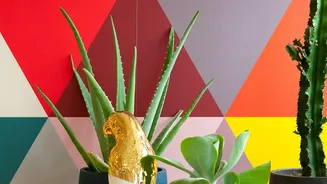
Choosing the right colours is crucial for a successful geometric wall. The goal is to create a look that is intentional, not chaotic. A good rule of thumb is to use two to three colours against your existing base wall colour. For a sophisticated feel, select shades with a similar undertone. You could pair a warm neutral like beige or cream with richer tones like terracotta, olive green, or a deep navy blue. If you want a bolder statement, use contrasting colours. Mustard yellow, bright pink, and cherry red can pair beautifully with a grounding colour like navy. To maintain balance, let one colour be the star while others play supporting roles. Consider the mood you want to create; blues and greens evoke calmness, making them ideal for bedrooms, while warmer, energetic colours can liven up a living room or entryway.
The DIY Guide to a Flawless Finish
Creating your own geometric wall is an achievable weekend project. The secret to a professional finish lies in preparation and patience. Start by cleaning the wall to ensure it's free of dust and dirt. Next, plan your design on paper before you commit it to the wall. Once you have a design you love, use high-quality painter's tape to mark out your shapes. This is the most critical step for achieving sharp, clean lines. For perfectly crisp edges, firmly press the tape down to prevent paint from bleeding underneath. A pro tip is to paint over the tape's edge with your base wall colour first; this seals any gaps and guarantees a sharp line when you apply the new colour. Always start with the lightest colour and let each section dry completely before taping over it for the next. When it’s time to remove the tape, pull it off slowly at a 45-degree angle while the paint is still slightly tacky for the cleanest reveal.
Styling Your New Feature Wall
Once your geometric masterpiece is complete, the final step is to style the room around it. The key is to let the wall be the hero. Choose furniture and decor that complement the design, rather than compete with it. Minimalist furniture with clean lines often works best. You can create a cohesive look by picking up one or two of the accent colours from your wall and repeating them in cushions, throws, rugs, or other decor items. This creates a sense of harmony. If your wall is particularly bold, keep the surrounding elements understated. A simple sofa, a sleek floor lamp, and a few well-chosen accessories are all you need. The geometric pattern will provide all the personality and visual interest the room requires, making it feel curated and thoughtfully designed.