


What Exactly Is Pilates?
Pilates is a full-body exercise system developed in the early 20th century by Joseph Pilates. Inspired by disciplines like yoga and ballet, it was originally created to help dancers rehabilitate from injuries. At its heart, Pilates is built on six core
principles: concentration, control, centering, flow, precision, and breathing. A typical session involves a series of controlled movements performed with an intense focus on technique. These exercises are designed to improve flexibility, build balanced muscle strength, and increase body awareness. Unlike workouts that push you to failure, Pilates emphasizes the quality of movement over the quantity of repetitions, making it a mindful and intentional practice.
The Core of the Matter
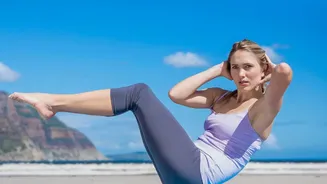
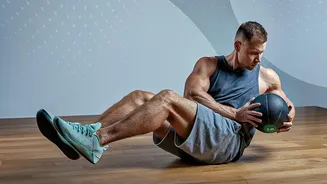
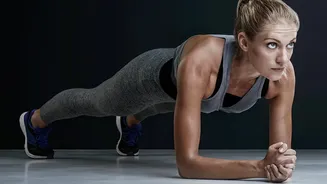
When people praise Pilates for core work, they aren’t just talking about sculpting a six-pack. Pilates targets the body’s “powerhouse”—the entire trunk, including the deep abdominal muscles, lower back, hips, and glutes. Many traditional workouts focus on superficial muscles, but Pilates goes deeper, engaging the small, stabilizing muscles that support your spine and pelvis. Strengthening these deep core muscles is crucial for good posture, balance, and overall stability. By creating a strong and stable center, you enable more efficient movement throughout your entire body, reducing the strain on other muscles and helping to prevent back pain.
Why Low-Impact Is a Big Deal
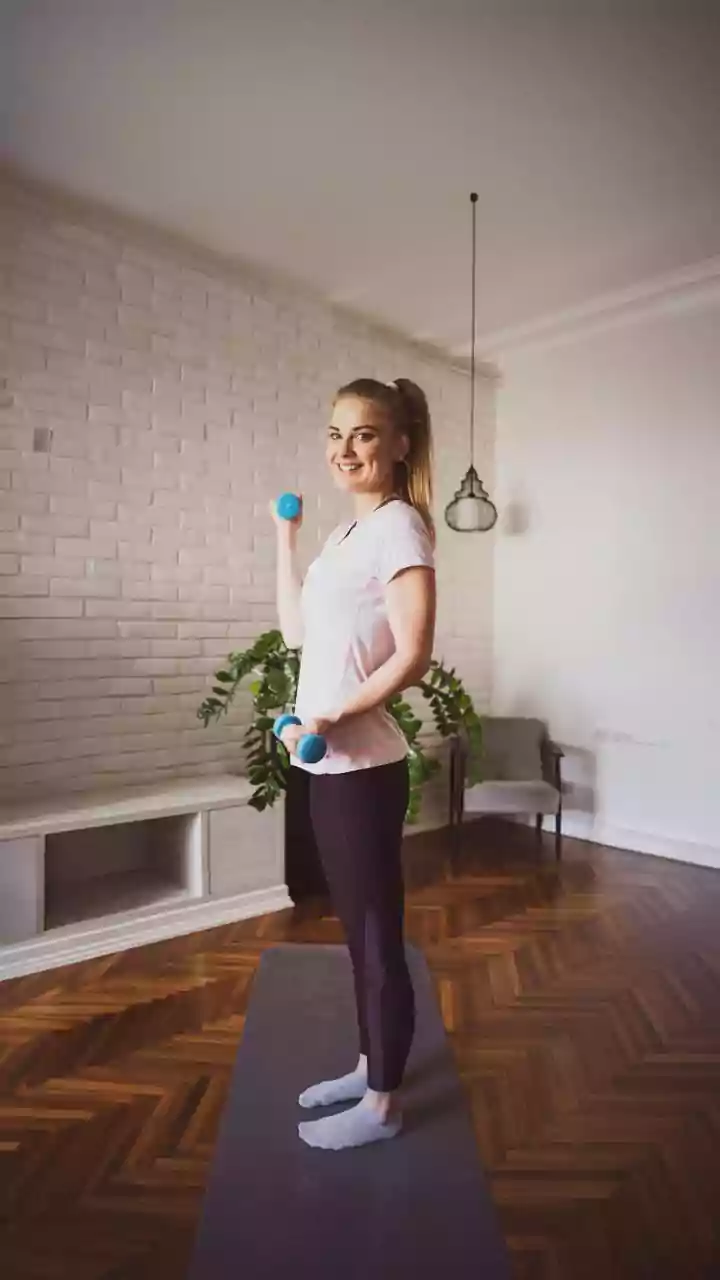
The term “low-impact” means that the exercises place minimal stress on your joints. High-impact activities like running or plyometrics can be jarring on the knees, hips, and ankles. Pilates, in contrast, involves smooth, fluid movements that build strength without the pounding. This makes it an excellent choice for a wide range of individuals, including those new to fitness, older adults, people recovering from injuries, or anyone with joint pain. By using controlled resistance, either from your own body weight or specialized equipment, you can challenge your muscles effectively and safely, fostering long-term joint health and preventing injury.
Who Is It Best For?
One of the greatest strengths of Pilates is its adaptability. It can be tailored to suit nearly any fitness level, from a complete beginner to an elite athlete. It’s particularly beneficial for office workers who spend hours sitting, as it helps counteract the postural imbalances that lead to neck and back pain. Athletes often use Pilates as a form of cross-training to improve core stability, enhance performance, and reduce their risk of injury. It’s also frequently recommended for post-rehabilitation to safely rebuild strength and mobility. Ultimately, anyone looking to improve their posture, balance, flexibility, and overall body awareness will find value in the practice.
Mat vs. Reformer: What’s the Difference?
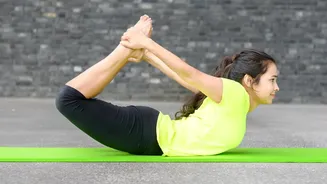
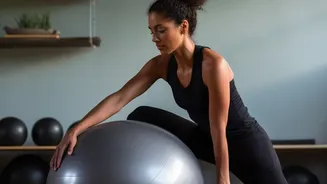
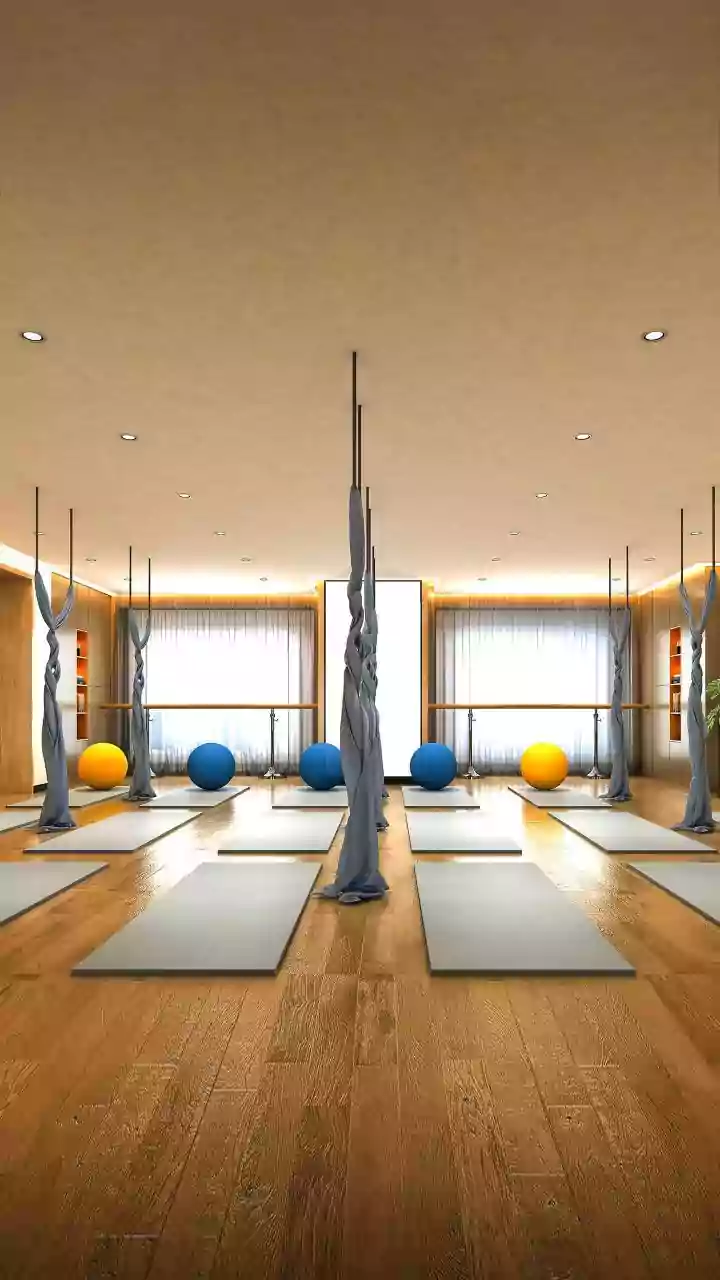
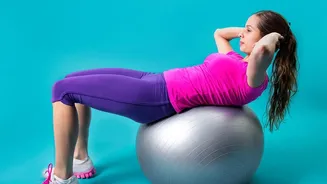
When you decide to try Pilates, you'll likely encounter two main options: mat classes and reformer classes. Mat Pilates uses your own body weight as resistance, sometimes with small props like resistance bands or balls. It’s the foundation of the practice and is excellent for learning core control and fundamental movements. The reformer is a sliding carriage with springs, straps, and pulleys that provides adjustable resistance and support. Many find the reformer helps with proper alignment and can make exercises feel more accessible, especially for beginners. While mat work builds foundational strength, the reformer adds a different dimension of resistance training. Neither is definitively better; they complement each other to create a well-rounded practice.