
What is World Space Week?
Declared by the United Nations in 1999, World Space Week is an annual international observance of how space science and technology contribute to the betterment of the human condition. The dates themselves are historic, commemorating the launch of the first
human-made Earth satellite, Sputnik 1, on October 4, 1957, and the signing of the pivotal Outer Space Treaty on October 10, 1967. Each year, a specific theme guides the hundreds of events—from school lectures to public outreach programs—that take place in over 100 countries, all designed to inspire students, educate the public, and foster international cooperation in space. This year, more than 50,000 events are planned globally.
Unpacking the 'Rocket Revolution' Theme
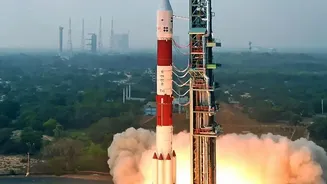
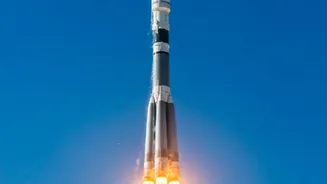
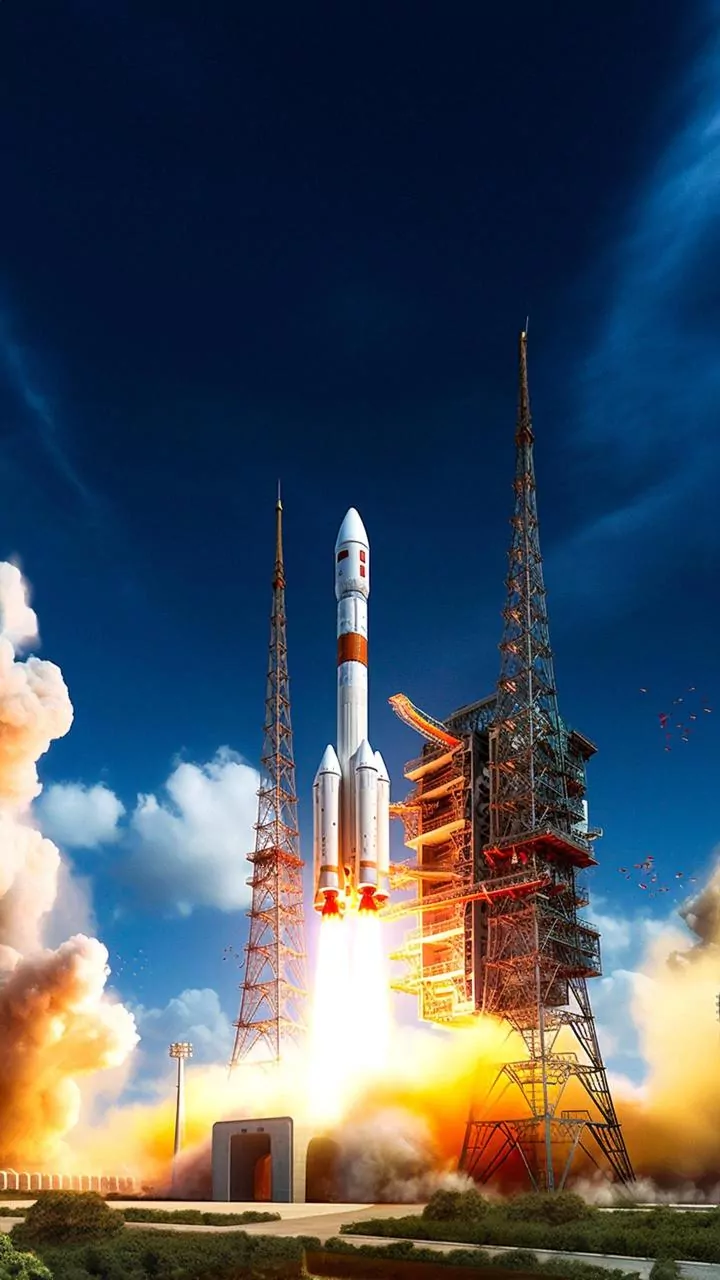
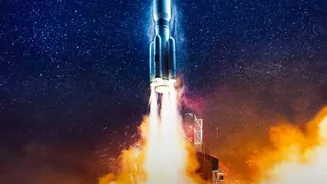
For a long time, getting to space was an exclusive affair, reserved for a handful of government space programs with massive budgets. The 2026 theme, 'Rocket Revolution,' celebrates the dramatic shift away from that model. The revolution isn't about a single invention, but a wave of innovations that are making space cheaper, faster, and more accessible. This includes everything from reusable rockets that can fly again after landing to a growing number of private companies, university teams, and startups building their own launch vehicles. This new era means more countries and communities than ever can use space technology for everything from communications and environmental monitoring to driving economic growth. The global space economy is on a path to becoming a trillion-dollar industry by 2030, and this revolution is opening the door for more players to participate.
The Technology Driving the Change
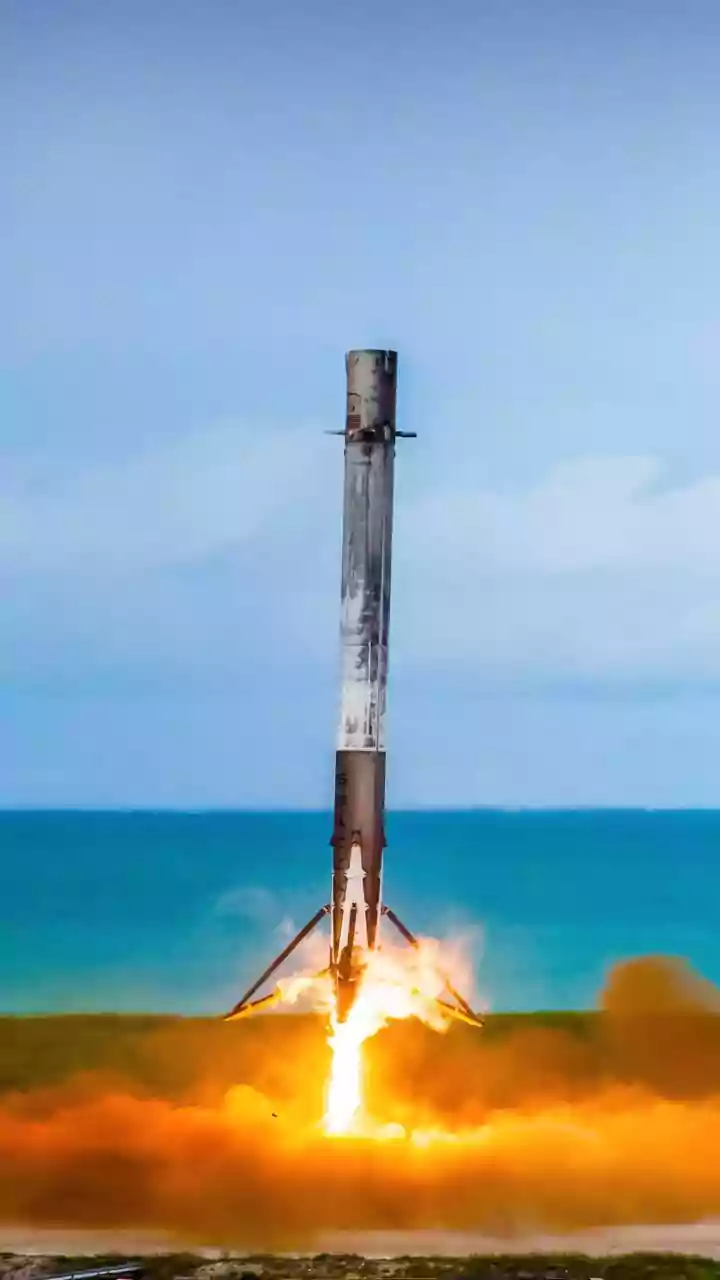
At the heart of the rocket revolution is reusability. Companies have pioneered rockets with boosters that can land themselves back on Earth, transforming them from single-use machines into reusable vehicles. This drastically cuts down launch costs. Another key factor is the rise of a diverse ecosystem of rockets. While next-generation heavy-lift vehicles can carry over 100 metric tonnes, enabling ambitious missions, a growing fleet of small launchers allows universities and startups to deploy their own small satellites without waiting for a rideshare on a bigger mission. Furthermore, advanced manufacturing techniques like 3D printing are slashing production times, while research into greener fuels aims to reduce the environmental impact of launches.
India's Growing Role in the Revolution
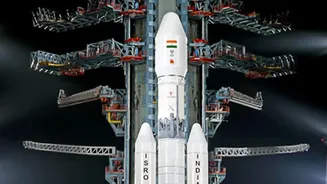
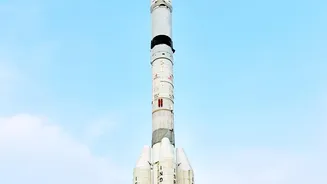
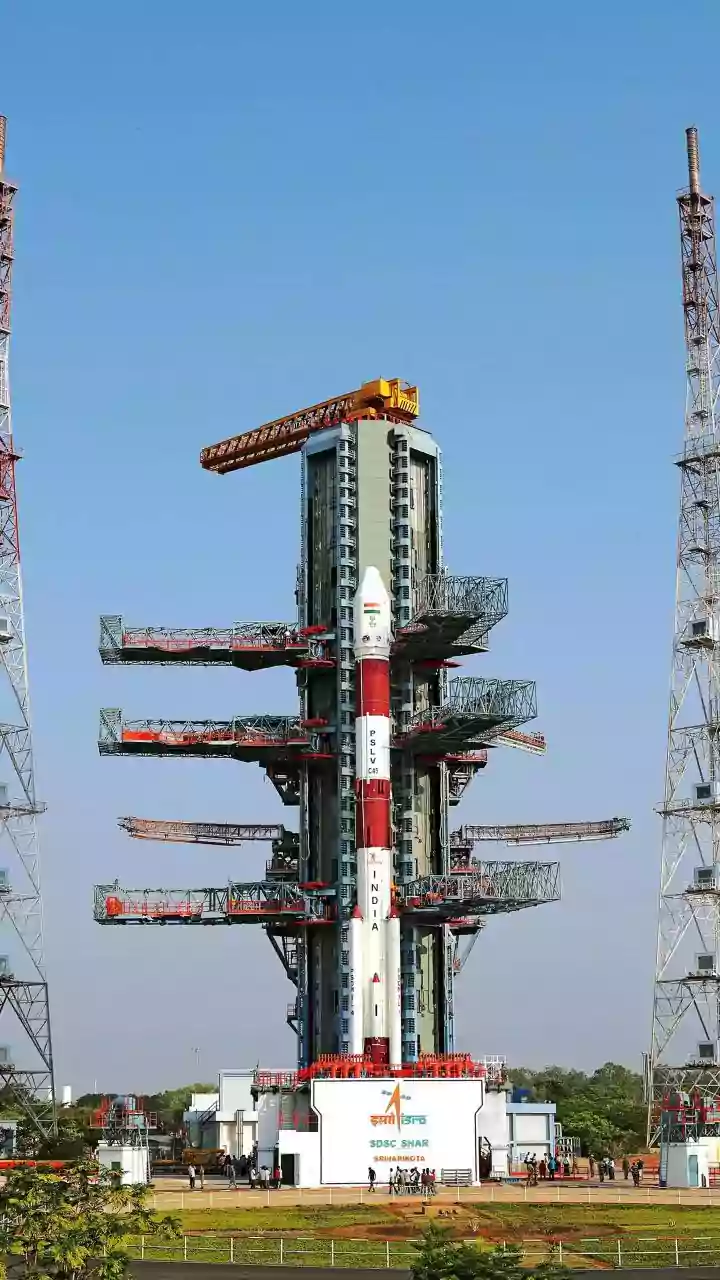
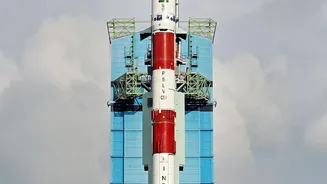
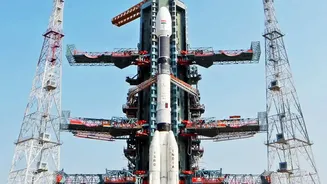
India is not just a spectator in this revolution; it's an active and ambitious participant. While the Indian Space Research Organisation (ISRO) has long been a global leader, it is now also focused on developing its own reusable launch vehicle technology to reduce costs. But the most significant change is the surge of India's private space sector. In a historic moment for the nation, Hyderabad-based startup Skyroot Aerospace successfully launched its Vikram-1 rocket in July 2026, making India only the third country, after the US and China, with a private company capable of orbital launches. This success, which began with their suborbital Vikram-S launch in 2022, has opened the door for a new era in Indian spaceflight. Other startups like Agnikul Cosmos are also racing to develop and prove reusable rocket technology, with plans to recover boosters at sea. These companies are poised to give India a major edge in the commercial launch market, offering cost-effective solutions for deploying the next generation of satellites.