








A New Leader in Global Travel
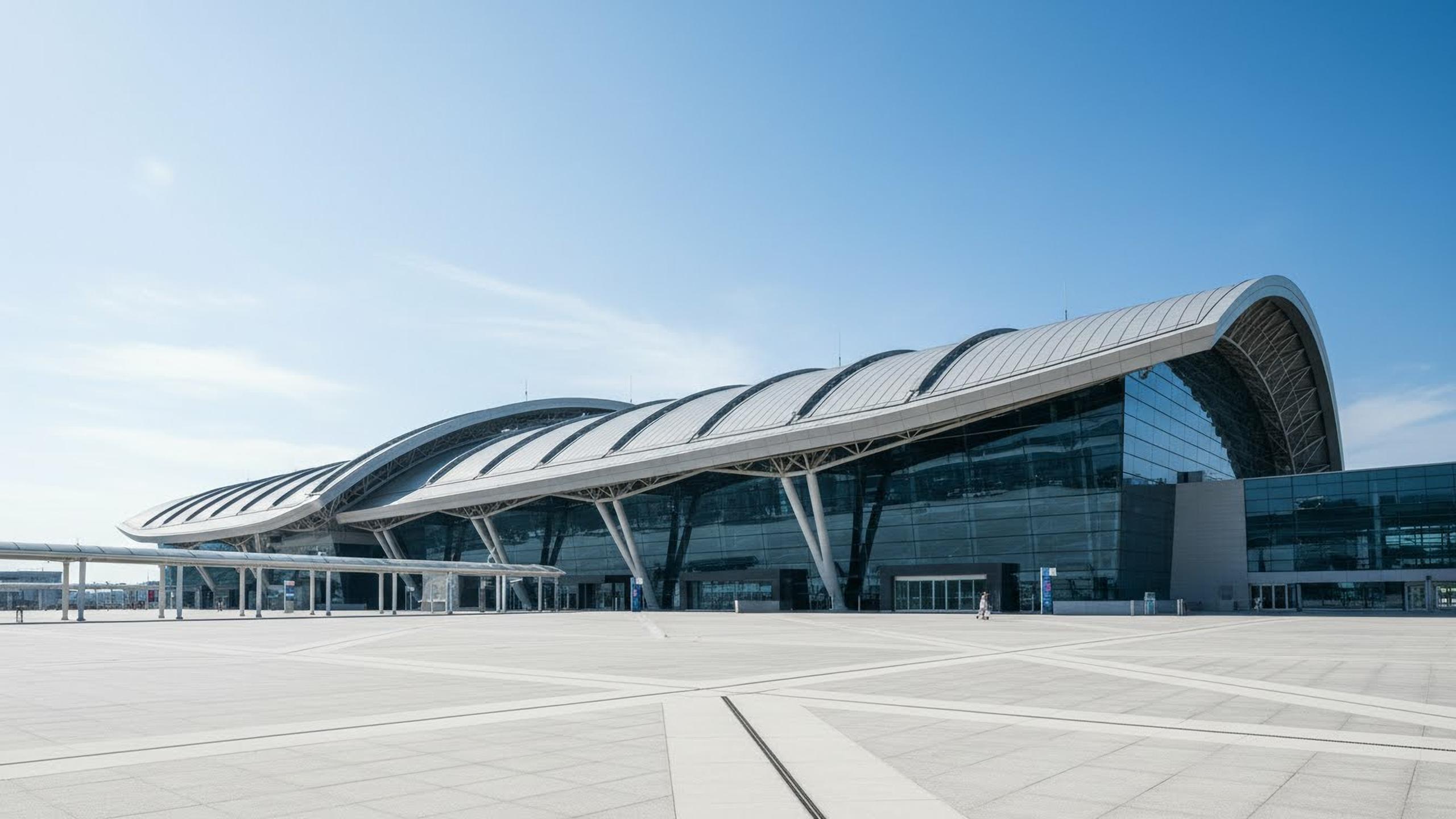
In a significant development for the aviation world, Seoul's Incheon International Airport (ICN) has officially become the busiest hub for international passengers. According to preliminary figures for the first half of 2026 from Airports Council International (ACI),
Incheon handled an impressive 38.39 million international travelers. This placed it just ahead of London's Heathrow Airport (LHR), which saw 37.79 million, and Singapore's Changi Airport (SIN) with 34.53 million. This is a historic first for Incheon, which only opened in 2001. Its steady climb up the rankings, from 10th in 2002 to the top spot now, marks a new era in global aviation.
How Incheon Forged Its Path to the Top
Incheon's success is no accident; it is the result of long-term strategic planning and investment. The airport recently completed a major four-phase expansion, boosting its annual capacity to 106 million passengers. This makes it the world's third-largest by capacity for international travelers. Beyond just size, Incheon has built an extensive network, now serving 183 cities through 101 airlines. This focus on connectivity has turned it into a crucial gateway between Asia, Europe, and North America. Furthermore, the airport has consistently won awards for service quality, focusing on a smooth and pleasant passenger experience with quick immigration and convenient amenities, making it a preferred choice for many travelers.
Geopolitics and Shifting Transit Routes
Recent global events have also played a crucial role in this shift. Geopolitical tensions in the Middle East have disrupted traditional flight paths, leading some airlines and passengers to seek alternative routes. Major hubs like Dubai, which have long dominated east-west transit traffic, have seen their roles weakened. As a result, Incheon has absorbed a significant portion of this diverted traffic, particularly for passengers traveling between Europe and Asia. In the first half of 2026, the number of transit passengers at Incheon surged by over 18% compared to the previous year, with traffic on European routes showing a massive 63.2% increase.
The Changing Face of Heathrow and European Hubs
While Incheon has been on the rise, Heathrow has faced a different set of challenges. The same geopolitical issues that benefited Incheon have put downward pressure on traffic for some of Heathrow's key routes. The airport forecast a slight decline in total passenger numbers for 2026, citing the volatility in the Middle East. Although Heathrow still welcomed a record 40 million passengers overall in the first half of the year and remains a critical global hub, the specific metric of international passenger traffic has seen it slip to second place. This moment highlights the intense competition among mega-airports, where even minor shifts in global demand can reorder the rankings.
What This Means for Indian Travelers
For the millions of Indians who travel internationally for business, leisure, and family, this shift is more than just a headline. While European hubs like Heathrow, Paris, and Frankfurt have been traditional transit points, the rise of Incheon offers a world-class alternative, particularly for travel to North America and across the Asia-Pacific region. Incheon's reputation for efficiency and high-quality service, combined with its vast network, makes it an increasingly attractive option. As airlines adjust their routes in response to global trends, passengers from India may find more convenient and competitive flight options through East Asian hubs, signaling a broader change in the map of global travel.