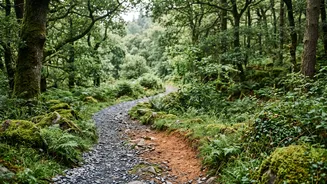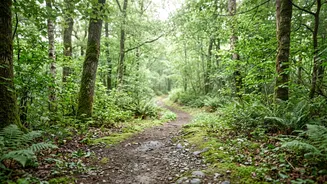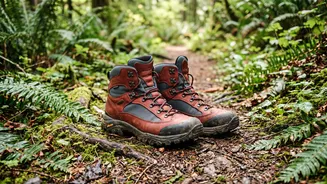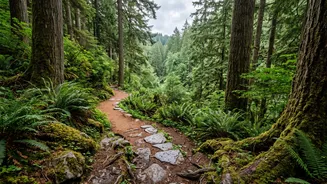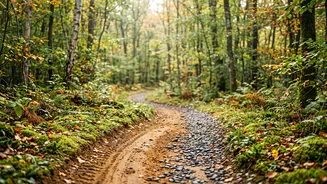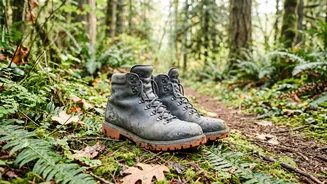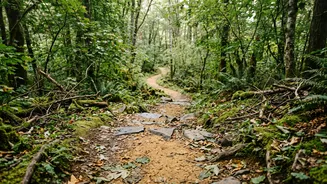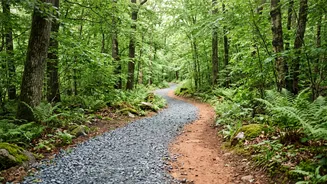


Combining the joy of friendship with the beauty of nature can create lasting memories. A group hike is more than just a walk; it's a shared experience that deepens bonds. Here’s what it truly involves to make it a successful adventure for everyone.
The Pre-Hike Huddle
A great
group hike begins long before you reach the trailhead. The most common mistake is overestimating the group's collective fitness or readiness. The first step is an honest conversation. Discuss everyone's experience level, fitness, and expectations for the day. Is the goal a challenging climb with rewarding views, or a leisurely walk with plenty of time for conversation? This discussion determines the most crucial decision: choosing the right trail. Look for a route with a good reward-to-effort ratio, like a beautiful viewpoint or a lake. Check the trail's difficulty, length, and elevation gain, and make sure it's a good fit for the least experienced person in the group. It's also vital to check for practical logistics like parking availability or if any permits are required for the area.
Finding Your Group's Rhythm
Once on the trail, the focus shifts to group dynamics. The key to a harmonious hike is moving at a pace that works for everyone. A common pitfall is letting the group spread out too much, which can lead to communication breakdowns and safety issues. To avoid this, designate a leader to set a steady pace at the front and a 'sweep' to stay at the back and ensure no one is left behind. Take breaks together, especially at trail junctions, allowing everyone to catch up, have a snack, or just enjoy the scenery. Open communication is crucial. If you need a break, say so. If you're feeling great, offer to carry a little extra weight. The goal isn't to crush miles at record speed but to enjoy the journey together. Remember, a group can only move as fast as its slowest member, and making that a comfortable, shame-free experience is a sign of a great hiking crew.
More Than Just Walking
The social benefits of hiking with friends are immense. It's an opportunity to disconnect from screens and have meaningful conversations. Easy or moderate hikes, in particular, allow for shared experiences and deeper bonding. Overcoming a challenging section of a trail together builds trust and a sense of collective achievement. These shared moments, whether it's spotting wildlife, laughing at a stumbled step, or simply admiring a view in shared silence, strengthen friendships. Don't forget to embrace the role of group photographer, but be mindful. Always ask for permission before taking and sharing photos of your friends, respecting their privacy.
Navigating Trail Etiquette and Safety
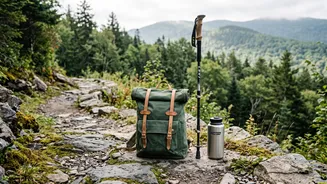
Hiking with friends comes with a shared responsibility for safety and respect for the environment. Before setting out, ensure everyone has essential gear like water, snacks, extra layers, and a small first_aid kit. Let someone not on the hike know your route and expected return time. On the trail, group hiking etiquette is important. Keep voices at a considerate level, as large, noisy groups can disturb both wildlife and other hikers seeking solitude. When on a narrow path, walk single file to allow others to pass. Always follow the principles of Leave No Trace: pack out everything you pack in and stay on designated trails. Safety is a team effort. The 'buddy system' is a simple but effective rule, ensuring everyone is looking out for a partner. Stay together, communicate regularly, and don't be afraid to make the call to turn back if conditions worsen or someone isn't feeling well.