






The Protein 'Health Halo'
The food industry has successfully placed a 'health halo' over protein. When we see 'high-protein' on a label, we instinctively think it's good for us, regardless of the other ingredients. This marketing tactic can mislead us into choosing ultra-processed
snacks that are a far cry from a healthy meal. Many protein bars, for instance, are loaded with enough sugar and saturated fat to rival a candy bar. The promise of protein can make us overlook the very things we might otherwise avoid, creating an illusion of health that doesn't hold up to scrutiny.
What Else Is In That Protein Bar?
To make processed protein products shelf-stable and palatable, manufacturers often add a long list of ingredients that offer little nutritional value. These can include various forms of sugar like corn syrup, artificial sweeteners such as sucralose, and refined vegetable oils that may contribute to inflammation. Gums and fillers are also common, used to create a better texture but sometimes causing digestive discomfort for consumers. What starts as a quest for a healthy snack can quickly become a cocktail of synthetic flavours, preservatives, and unnecessary additives.
Whole Foods vs. Processed Protein
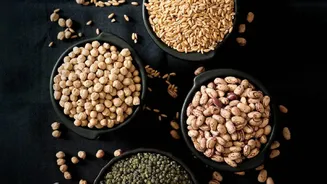
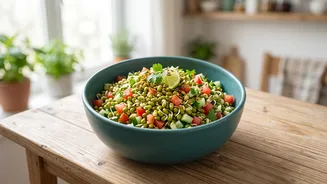
There's a significant difference between getting protein from a whole food and from a processed powder or bar. A piece of fish or a bowl of lentils comes packed with a matrix of other essential nutrients: fibre, vitamins, minerals, and healthy fats. This 'food matrix' helps with satiety, keeping you fuller for longer, and ensures your body gets a wide spectrum of nutrients. Processed protein, on the other hand, is often just isolated protein. While convenient, these products lack the complex nutritional profile of whole foods, making them a poor replacement for a balanced meal.
Are You Getting Too Much?
Contrary to the marketing hype, most people in India who eat a varied diet are not deficient in protein. In fact, many people meet or even exceed their daily protein needs. The recommended dietary allowance for an average adult is about 0.8 grams of protein per kilogram of body weight. Consuming protein far in excess of your body's needs doesn't lead to bigger muscles without the right exercise to go with it. The body can't store extra protein, so it is either used for energy or, like excess calories from any source, stored as fat. In some cases, very high protein intake can also put a strain on the kidneys.
Finding a Healthy Balance
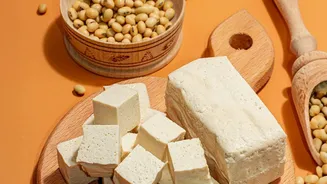
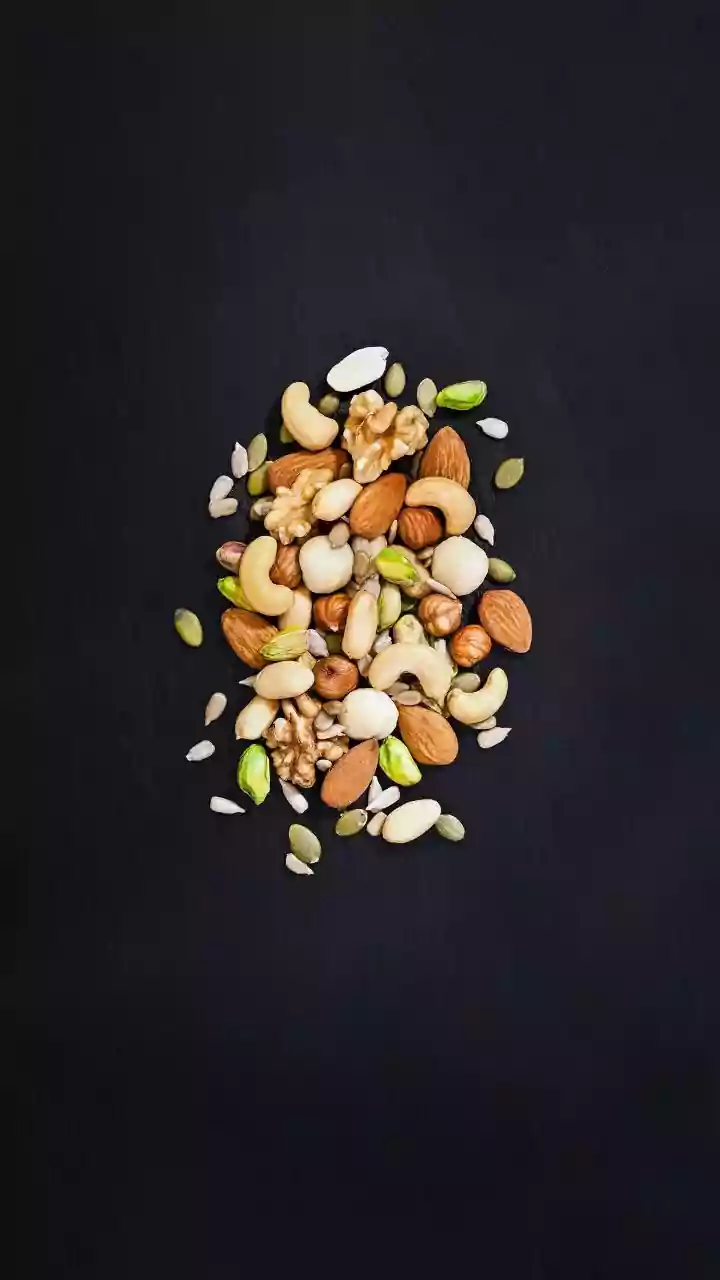
A truly better diet isn't about maximising one single nutrient; it's about balance and variety. Instead of defaulting to a protein bar, consider whole-food snacks like a handful of almonds, Greek yogurt, roasted chickpeas, or hard-boiled eggs. These options provide quality protein along with other vital nutrients. Protein supplements can be a convenient tool, especially for athletes or those with specific dietary challenges, but they should supplement—not replace—a diet rich in whole foods. Aim to include a source of protein with each meal, paired with plenty of fruits, vegetables, and whole grains for a truly complete approach to nutrition.