



Beyond the Daily Routine
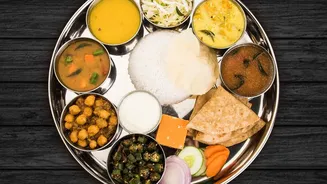
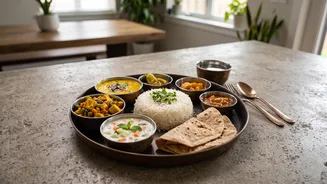
The typical Indian thali is a masterclass in balanced nutrition, but repeating the same toor dal and aloo gobi can lead to dietary boredom and nutritional gaps. Rotating the ingredients you use is a simple yet effective way to diversify your family’s
diet. Greater dietary diversity is linked to better gut health, as different foods feed different beneficial bacteria. This variety ensures a broader intake of essential vitamins, minerals, and micronutrients that you might miss by sticking to just a few favourites. It's about making your existing meal structure work harder for your health.
The Power of Rotating Pulses
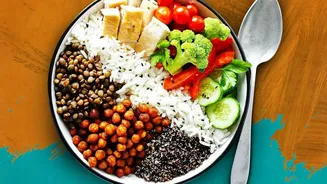
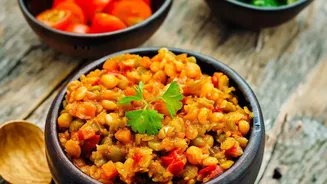
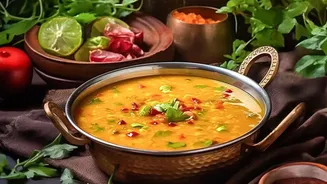
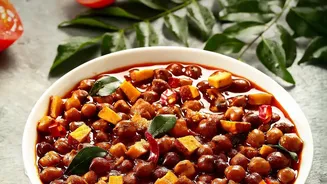
Pulses are a cornerstone of Indian cuisine and a fantastic source of plant-based protein, fibre, and essential nutrients. However, many families tend to rely on just one or two types, like toor or moong dal. By rotating through the vast world of Indian lentils and legumes, you can significantly enhance your meals. For instance, while toor dal is a staple for everyday dal tadka or sambar, chana dal offers a nuttier flavour perfect for thicker, spiced preparations. Masoor dal (red lentil) cooks quickly, making it ideal for busy weeknights, while whole urad dal provides a rich, creamy texture for special dishes like dal makhani. Swapping kidney beans (rajma) for chickpeas (chana) one week, or using split green moong dal instead of the yellow variety, introduces different textures and nutritional profiles without needing to learn new cooking methods.
Embrace a Rainbow of Vegetables
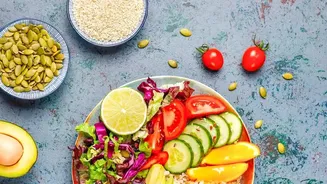
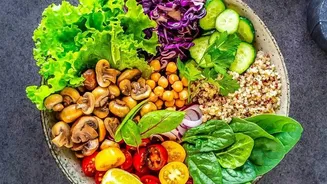
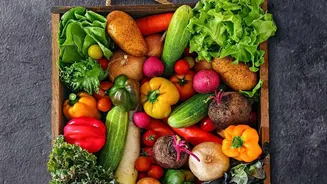
Just as with pulses, rotating vegetables is key. Focusing on seasonal produce is a great strategy—it’s often more affordable, fresher, and packed with higher levels of nutrients. Winter, for example, brings an abundance of leafy greens like spinach (palak) and fenugreek (methi), as well as carrots and peas. Summer and monsoon months offer a variety of gourds like bottle gourd (lauki), ridge gourd (turai), and bitter gourd (karela), along with okra (bhindi) and brinjal. Aim to 'eat the rainbow'. Different coloured vegetables provide different phytochemicals and antioxidants. If you often cook with potatoes and tomatoes, try incorporating purple brinjal, green beans, or yellow bell peppers to ensure a wider array of health benefits.
Reimagining Your Go-To Recipes
The beauty of this approach is that you don’t need a new cookbook. You can bring variety by simply swapping the star ingredient in your most-used recipes. A standard dry vegetable stir-fry (sabzi) can be made with potatoes one day, cauliflower the next, and bhindi the day after. The base of onions, tomatoes, and spices remains familiar, but the nutritional content and taste profile change completely. The same principle applies to dal; your favourite tadka can be used on masoor, chana, or mixed dals. A simple paneer dish can become a tofu or mixed-vegetable curry using the exact same gravy. This makes meal planning less about reinvention and more about smart substitution.
Simple Steps to Get Started
Making this change can feel daunting, but starting small is key. Begin by introducing one new vegetable or pulse each week. Plan your meals for a few days in advance to ensure you have the ingredients you need. A simple weekly plan could look like this: make moong dal on Monday, rajma on Wednesday, and a mixed dal on Friday. For sabzis, buy one or two seasonal vegetables during your grocery run and challenge yourself to use them in familiar preparations. This gradual approach makes it easier to build a sustainable habit of rotation, transforming your daily meals into a more diverse, flavourful, and nourishing experience.