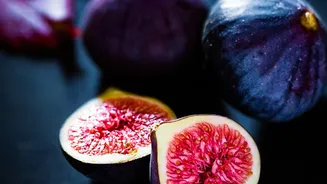









What Exactly Is African Sour Fig?
Known scientifically as Carpobrotus edulis, the African sour fig is a succulent plant native to South Africa. It's a hardy groundcover that produces bright, daisy-like flowers and small, fleshy fruits. For centuries, indigenous communities, particularly
the Khoisan people, have used the plant in traditional medicine. The juice from its thick, triangular leaves was often used as an antiseptic for wounds, burns, and skin irritations, or as a gargle for sore throats and mouth infections. The fruit itself, which has a distinct sweet and sour taste, was traditionally eaten to aid digestion or made into jams and chutneys. This long history of use is what has sparked modern interest in its potential health benefits.
A Good Source of Fibre and Nutrients
The headlines are not wrong about the fibre. The African sour fig fruit and its leaves are indeed a good source of dietary fibre, which is crucial for maintaining a healthy digestive system. Fibre helps add bulk to stool, which can prevent constipation and promote regular bowel movements. Beyond fibre, the fruit is packed with other beneficial compounds. It’s a rich source of antioxidants, including flavonoids and phenolic acids, which help protect the body's cells from damage caused by free radicals. It also contains Vitamin C, which is essential for a strong immune system, as well as other minerals that support overall health. In many traditional contexts, it was consumed to relieve digestive issues like diarrhoea and stomach aches.
The Fibre-for-Weight-Loss Myth
Here's where we need to manage expectations. While foods high in fibre can be an important part of a weight management plan, they are not a magic solution. The primary way fibre aids in weight control is by promoting a feeling of fullness, or satiety. When you feel full, you are less likely to overeat, which can lead to a reduction in overall calorie intake. However, weight loss is a complex process that depends on a consistent calorie deficit—burning more calories than you consume. Simply adding one high-fibre food to an otherwise unchanged diet is unlikely to produce significant results. No single food can guarantee weight loss. True, sustainable weight management relies on a balanced diet, regular physical activity, and consistent lifestyle habits.
How to Incorporate It into Your Diet
If you're interested in trying African sour fig for its nutritional benefits rather than as a weight-loss miracle, there are several ways to do it. The fruit can be eaten raw; people often bite off the end and suck out the pulpy interior. Its tangy flavour makes it a popular ingredient for jams, preserves, and chutneys. Some even add it to savoury dishes like curries for a unique sweet-and-sour kick. The leaves, though more astringent, can be finely sliced and added to salads for a crunchy, salty-sour element. However, like any food, it should be consumed in moderation. Some sources note that excessive consumption could lead to digestive issues, so it's best to start with small amounts.
The Bigger Picture on Superfoods
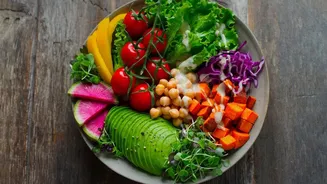
The case of the African sour fig is a perfect reminder of a larger truth in the world of wellness: no single 'superfood' holds the key to perfect health or effortless weight loss. While many exotic fruits and plants offer impressive nutritional profiles, their benefits are best realised as part of a varied and balanced diet. Instead of chasing the latest trending ingredient, a more effective approach is to focus on building a diet rich in a wide variety of fruits, vegetables, lean proteins, and whole grains. The African sour fig can certainly be a nutritious and interesting part of that mosaic, but it’s the whole picture, not one single tile, that creates lasting health.