





Beyond the Golden Triangle
India's tourism landscape has long been dominated by a handful of world-famous destinations. While sites like the Taj Mahal, the forts of Rajasthan, and the beaches of Goa attract millions, this concentration of visitors often leads to overcrowding and puts
immense strain on local infrastructure. Meanwhile, countless other destinations with rich cultural stories, stunning natural beauty, and unique local experiences remain largely invisible to the average traveller. The challenge has always been how to break this cycle, where popular places become more popular simply because they are more visible online. Algorithms traditionally favour what is already trending, creating a feedback loop that leaves lesser-known regions undiscovered. This is where the strategic application of Artificial Intelligence is beginning to change the game.
How AI Personalises Discovery
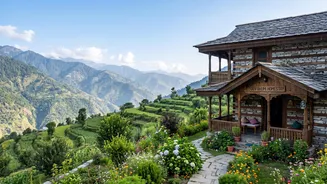
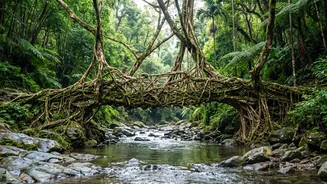
AI is moving beyond simple search functions to become a personal travel consultant for millions. New platforms and AI-powered recommendation engines can analyse a traveller's preferences, budget, past trips, and even their social media activity to curate highly personalized itineraries. Instead of just suggesting popular cities, these tools can recommend a specific village known for its unique craft, a serene trekking route that matches a user's fitness level, or a homestay that aligns with their interest in sustainable travel. AI-driven chatbots provide 24/7 assistance, answering complex queries in multiple languages and helping plan intricate journeys. This technology effectively breaks down the information barrier, making it as easy to discover a hidden waterfall in Meghalaya as it is to book a hotel in Mumbai.
The Government's Digital Push
This transformation is not happening in a vacuum. The Indian government is actively fostering a digital-first approach to tourism. The Ministry of Tourism has launched initiatives like the revamped Incredible India Digital Platform, which uses AI to deliver tailored travel suggestions. Campaigns such as 'Dekho Apna Desh 2.0' specifically aim to encourage Indians to explore destinations beyond the major tourist circuits. Furthermore, strategic partnerships are being forged to accelerate this shift. In recent months, the Ministry of Tourism has signed Memorandums of Understanding (MoUs) with tech giants like Google and InMobi to leverage AI and data insights for promoting a wider array of Indian destinations. The goal is to create a more balanced and sustainable tourism model, moving from a few crowded hubs to a distributed network of attractions across the country.
Fuelling Local Economies
The most significant impact of this AI-driven shift is economic. When a traveller is guided to a lesser-known destination, their spending directly benefits the local community—from homestay owners and artisans to guides and small restaurateurs. AI is helping to create a more equitable distribution of tourism revenue, which has historically been concentrated in major urban centres. By promoting regional travel circuits, the technology encourages visitors to extend their stays and explore surrounding heritage towns, craft villages, and natural attractions. This creates new livelihood opportunities in rural and semi-urban areas, fostering entrepreneurship and helping to preserve local culture and crafts that might otherwise be at risk of disappearing.
The Road Ahead
Despite the immense potential, the path to a fully AI-integrated tourism sector has its challenges. The effectiveness of these platforms depends heavily on the quality and accuracy of data. Ensuring that information about smaller, remote locations is verified and up-to-date is a considerable task. There are also concerns about the digital divide, as not all local entrepreneurs have the resources or literacy to participate in these new digital ecosystems. Moreover, as AI makes these hidden gems more accessible, it will be crucial to manage the influx of tourists responsibly to avoid the very problems of overcrowding and environmental strain that plague popular spots today. The goal is not just to find new places, but to develop them sustainably.