




A Cosmic Collision Course
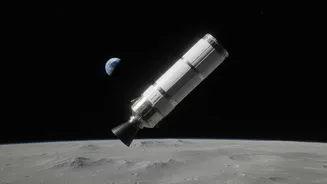
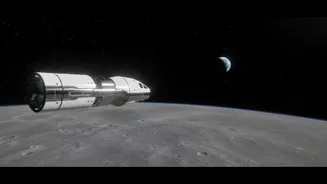
In what sounds like the plot of a science fiction film, a large piece of space hardware is tumbling uncontrollably toward the Moon. The object is a four-tonne upper stage of a SpaceX Falcon 9 rocket, and its journey is set to end with a high-speed impact
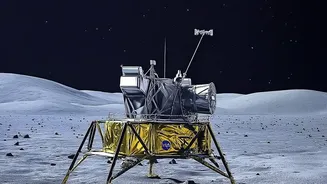
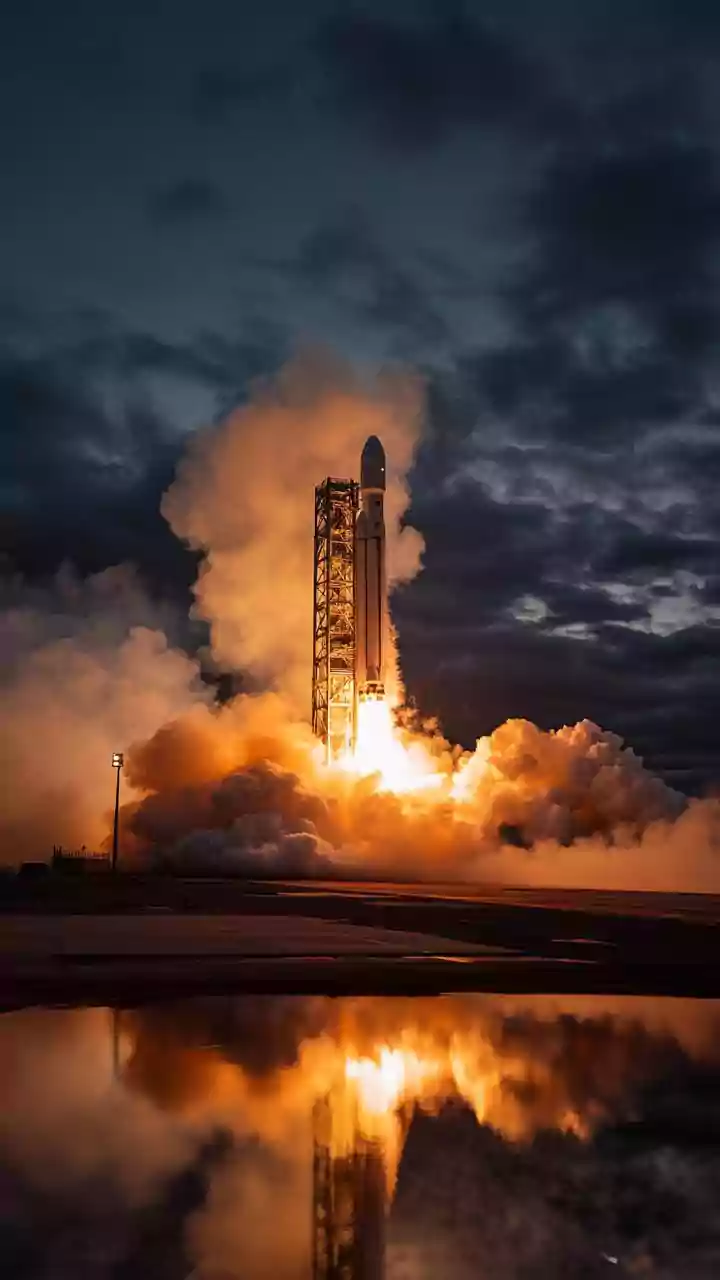
on August 5, 2026. The hardware, cataloged as 2025-010D, was part of a January 2025 mission that successfully sent two lunar landers, Firefly's Blue Ghost-1 and ispace's Resilience, toward the Moon. After deploying its payload, the rocket stage had insufficient fuel to either escape into deep space or guide itself back to a safe reentry into Earth's atmosphere. Instead, it was left in a chaotic, high-Earth orbit where the gravitational pulls of the Earth, Sun, and Moon slowly sealed its fate.
An Accidental Experiment
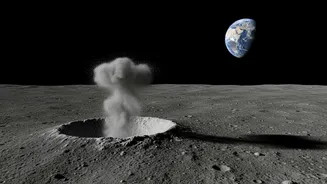
While the crash is unintentional, scientists are treating it as a valuable, real-time experiment. The impact is predicted to occur near Einstein Crater at a staggering speed of roughly 8,700 kilometers per hour. Researchers anticipate the collision will excavate a new crater up to 30 meters wide and blast a plume of lunar dust several kilometers high. Because the rocket's mass, speed, and trajectory are known, the event offers a rare chance to calibrate the models used to study natural meteorite impacts. Observing the flash and resulting dust cloud could provide new insights into the composition of the lunar surface in that region and the physics of high-velocity collisions. NASA's Lunar Reconnaissance Orbiter will have the opportunity to image the site before and after, providing a clear view of the new crater.
Why Can't It Be Recovered?
The second part of the headline—that it will reach the Moon "before it can be recovered"—points to a harsh reality of our current technological capabilities. Recovering a large, tumbling object from a distant and unstable orbit is, for all practical purposes, impossible today. The operation would require launching a specialized, highly advanced spacecraft to match the object's erratic trajectory, capture it without causing it to break apart, and then have enough fuel to move the multi-tonne piece of debris to a stable orbit or back to Earth. The technical complexity and immense cost of such a mission are prohibitive. Unlike debris in low-Earth orbit, which can sometimes be nudged to burn up in the atmosphere, objects in these deep-space graveyard orbits are largely beyond our reach once they are released.
A Familiar Story with a Twist
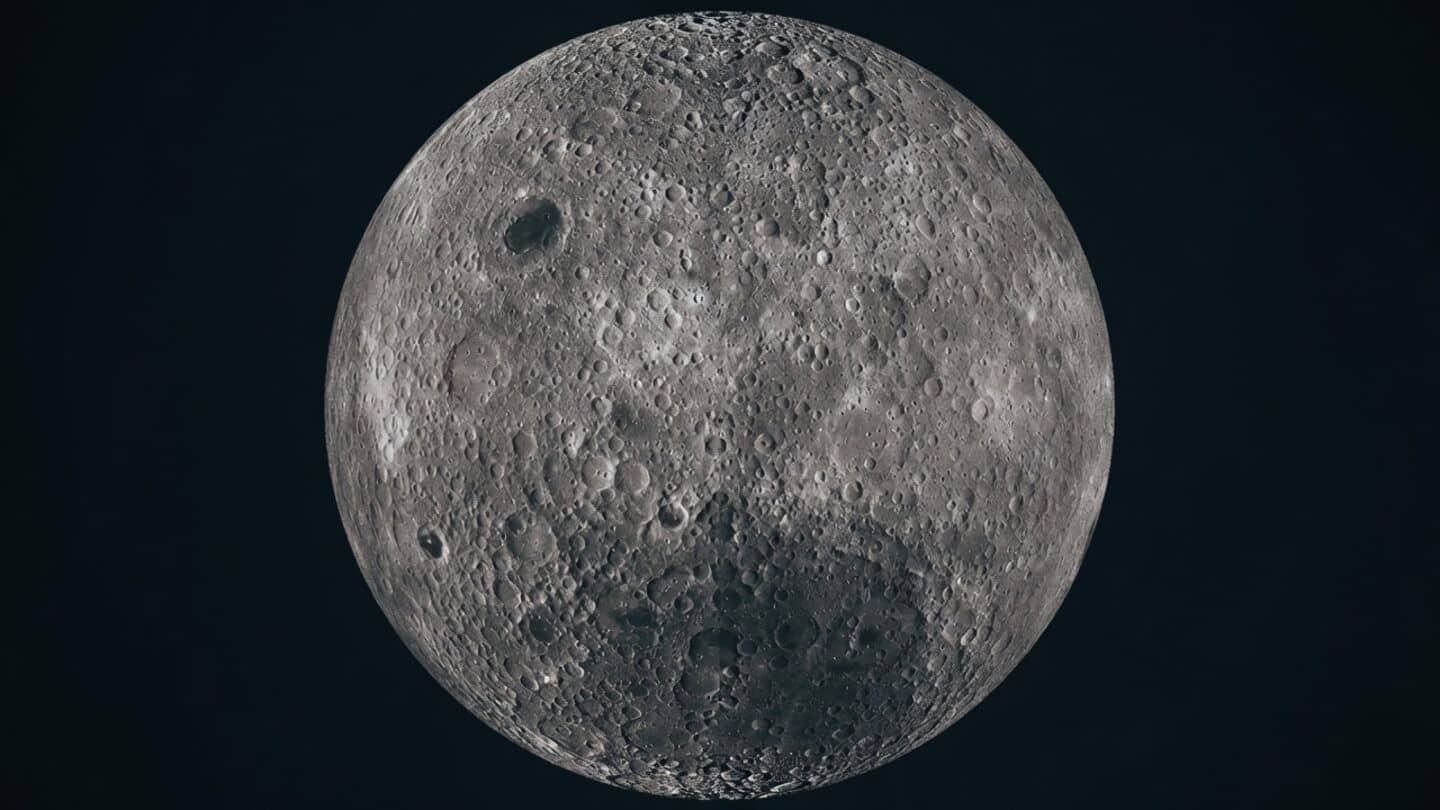
This isn't the first time a piece of space junk has made headlines for an impending lunar impact. In 2022, a similar situation unfolded when an object was discovered on a collision course. Initially, that object was also believed to be a SpaceX Falcon 9 stage from a 2015 mission. However, after further analysis, astronomer Bill Gray—the same analyst who identified the current impacting object—concluded it was actually a booster from China's 2014 Chang'e 5-T1 mission. That impact created an unusual double crater on the Moon's far side, sparking its own set of scientific questions. The mistaken identity highlighted the difficulty in tracking the ever-growing population of debris in cislunar space.
A Wake-Up Call for a New Space Age
The upcoming impact serves as a dramatic reminder of a growing problem. As commercial companies and national agencies ramp up activities on and around the Moon, the amount of discarded hardware is set to increase. This event highlights a regulatory gray area; there are currently few to no binding international rules for disposing of hardware in deep space or for coordinating activities that could permanently alter the lunar environment. Each mission to the Moon adds to the collection of human artifacts left behind, from scientific instruments and landers to the footprints of Apollo astronauts and, now, the craters left by accidental impacts. While this specific crash poses no danger, it underscores the need for sustainable practices and long-term planning as humanity expands its presence beyond Earth.