



Beyond a Simple Container
Choosing a planter is often an afterthought, a quick decision made at the nursery. But the container you choose is as important as the plant itself. Unlike functional plastic pots, ceramic planters add a layer of sophistication and character to a room.
They act as a bridge between the natural, organic form of the plant and the curated lines of your interior decor. The goal is to create a unified look where the plant and planter work together as a single design statement. This means moving beyond just finding something to hold soil and instead selecting a piece that complements your furniture, colour scheme, and overall aesthetic. A well-chosen ceramic pot can turn a simple houseplant into a stunning focal point.
The Philosophy of Colour
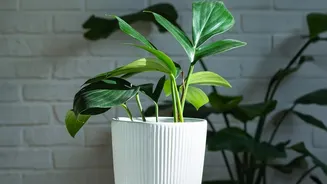
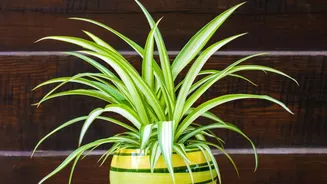
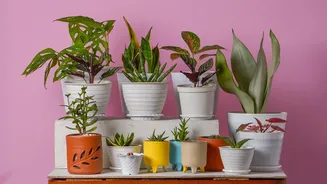
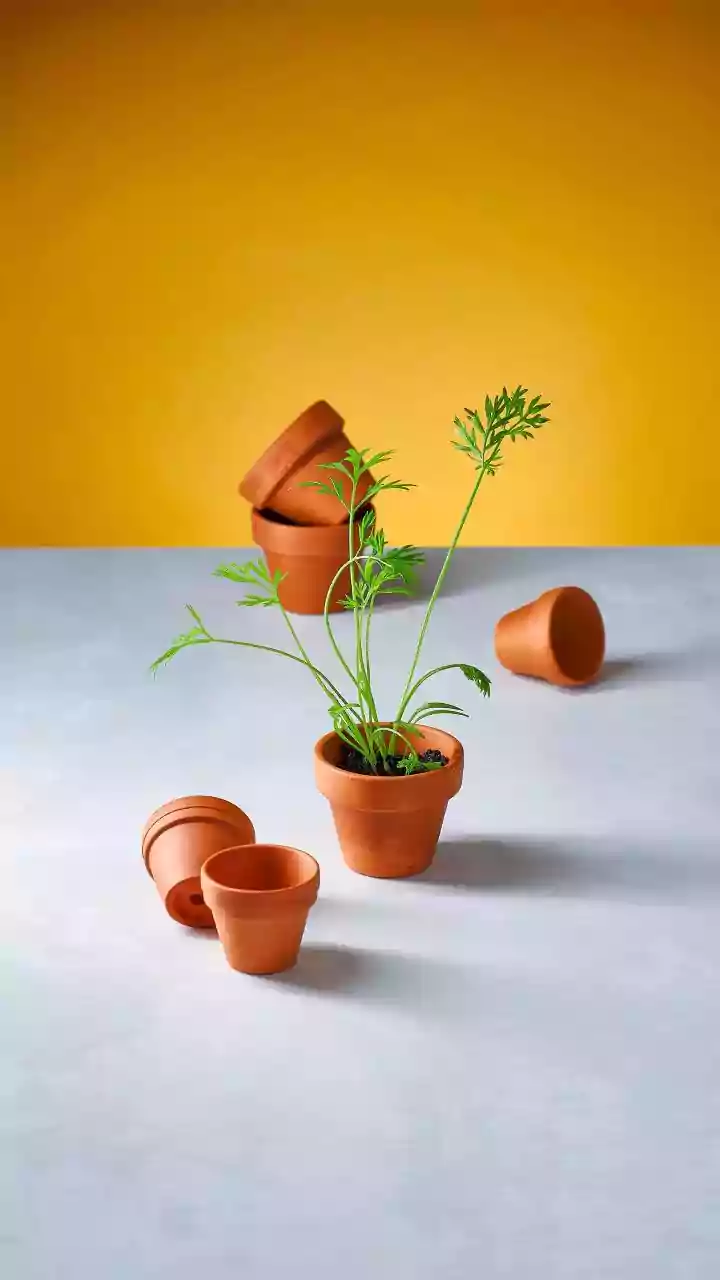
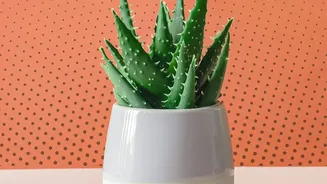
The colour of your planter has a significant impact on both the room's mood and the plant's health. For a calm, minimalist aesthetic, white ceramic planters are a timeless choice that makes green foliage pop. They reflect light, which helps keep the soil and roots cooler, a benefit for plants sensitive to heat. Darker pots, like black or charcoal grey, absorb more heat, which can be an advantage for heat-loving plants but may stress the roots of others in direct sun. From a design perspective, colour can create either harmony or contrast. Earth tones like terracotta, beige, and brown blend seamlessly into natural and rustic-themed rooms. For a bolder statement, a brightly coloured planter in saffron, cobalt blue, or even red can act as a powerful accent piece, injecting energy into a neutral space. The key is to decide whether you want the planter to blend in or stand out.
Shape, Scale, and Proportion
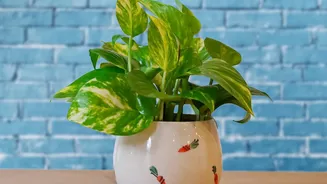
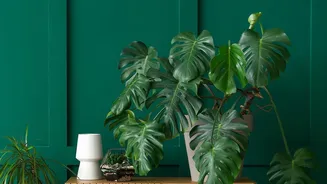
The shape of the planter should complement the structure of the plant. Tall, columnar plants like snake plants are often enhanced by equally tall, slender pots that emphasize their verticality. In contrast, bushy, rounded plants might look best in a wider, bowl-shaped planter that balances their form. For trailing plants like pothos or string of pearls, a taller planter or a hanging basket allows their vines to cascade beautifully. Scale is equally crucial. A large, dramatic plant like a fiddle-leaf fig needs a substantial pot to feel visually grounded and stable. A pot that is too small will look out of proportion and may even tip over as the plant grows. A general rule of thumb is to choose a pot that is about one-third the height of the plant, ensuring a balanced and harmonious relationship between the two.
Texture and Finish as Design Tools
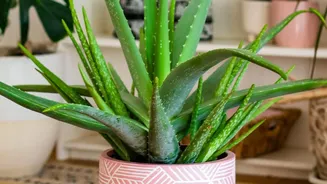
Ceramic planters offer a vast array of textures and finishes, each contributing a different feel to your decor. A high-gloss glaze provides a sleek, modern, and reflective surface that works well in contemporary or luxurious settings. Matte finishes, on the other hand, offer a more understated, earthy, and modern feel that can complement minimalist or Scandinavian designs. Textured ceramics, such as those with ribbed, fluted, or hand-painted patterns, add tactile and visual interest. These finishes can tie into other elements in the room, like textured pillows, rugs, or wooden furniture, creating a cohesive and layered look. Don't be afraid to mix and match textures; a smooth pot next to a rough, unglazed one can create a dynamic and engaging display.
Matching the Planter to the Room
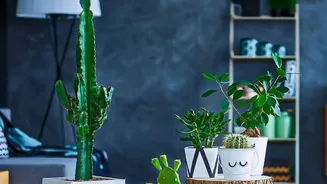
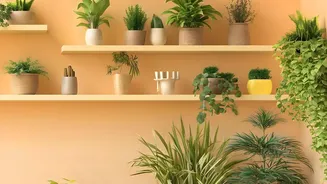
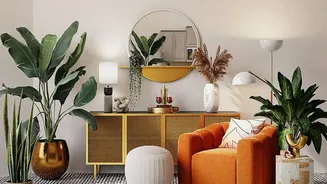
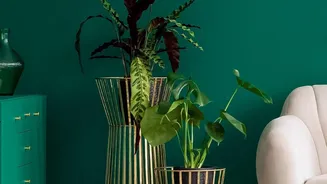
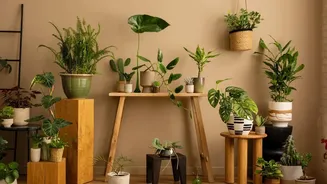
Finally, consider the planter's role within the larger context of the room. The style should align with your existing decor. For a Mid-Century Modern space, look for planters with clean lines, geometric shapes, and perhaps raised legs. A Bohemian-style room would welcome hand-painted ceramics, wicker baskets, and earthy terracotta tones. For a more traditional or rustic cottage feel, distressed or weathered-looking ceramics can add a sense of charm and history. Grouping planters of different sizes and complementary colours can create a lush, curated focal point, especially when placed in odd numbers. Think in layers, with a large floor planter, a mid-sized one on a stand, and smaller pots on shelves to create depth and visual interest throughout the space.