






The Tokyo Problem
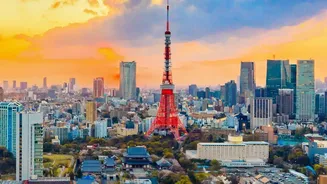
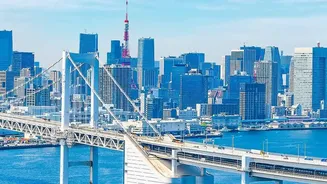
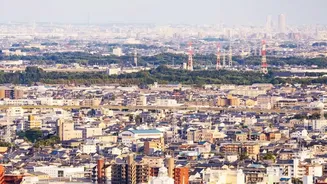
Tokyo is the undisputed nerve center of Japan. It is home to the Emperor, the national government, the country's financial core, and a significant portion of its population and economic output. This extreme concentration in one of the world's most seismically
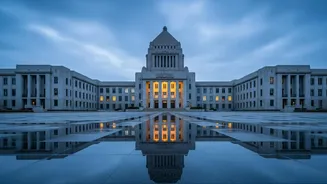
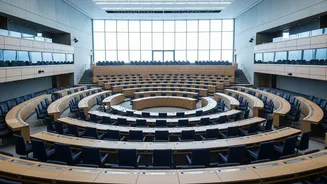
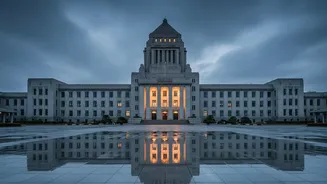
active regions presents a significant vulnerability. Government estimates suggest there is a 70% chance of a magnitude-7 class earthquake hitting the Tokyo metropolitan area within the next 30 years. Such an event could paralyze Japan, knocking out the prime minister's office, the legislature (the Diet), and central ministries, with devastating consequences for the country and the global economy.
A Plan for the Unthinkable
In response to this existential threat, Japan's Diet passed a new law in July 2026 that establishes a legal framework for designating one or more backup capitals. The law's core purpose is to ensure the continuity of national operations if Tokyo is struck by a major disaster or other emergency. Rather than a full relocation, the plan is to create a 'deputy capital' capable of taking over essential legislative and administrative functions. The law also aims to decentralize the country's economic structure, which is heavily reliant on Tokyo. The government is now required to formulate a basic policy within one year to give concrete form to this framework, outlining how roles will be divided in normal times and during emergencies.
The Contenders for the Crown
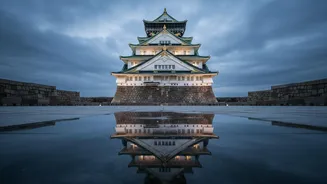
The new law does not name a specific city, but instead creates a process for prefectures to apply for the designation. Several regions have already expressed interest. Osaka, Japan's second-largest metropolitan economy, is widely seen as the frontrunner. The city has long been championed by the Japan Innovation Party (Ishin), a key political force behind the law. Other contenders include Fukuoka, Aichi (home to Nagoya), and even the northern island of Hokkaido. To qualify, a region must have a low probability of being damaged by the same disaster that hits Tokyo, as well as possessing the necessary infrastructure, population, and administrative capacity to serve as a viable backup.
An Idea With a Long History
The idea of moving Japan's capital is not new. Throughout its long history, the seat of imperial power has moved multiple times, with Kyoto serving as the capital for over a millennium before the emperor moved to Edo, renamed Tokyo (or 'Eastern Capital'), in 1868. More recently, discussions about relocating capital functions away from Tokyo due to disaster risk and over-concentration have been happening for decades. A previous push in the 1990s to move the Diet out of Tokyo ultimately stalled. The recent legislation, however, marks the most significant step yet toward creating a formal and resilient backup system for the Japanese state.
The Price of Peace of Mind
While the plan is a logical step in crisis management, it is fraught with challenges. The financial cost of developing government facility hubs, upgrading transport links, and creating the necessary infrastructure in a new location will be immense. The law includes provisions for tax incentives and deregulation to attract private investment, but the full details have yet to be worked out. There is also political controversy, with opponents arguing the bill was designed to favor Osaka, the political base of one of the law's main backers. Furthermore, despite its status as a leading candidate, Osaka has experienced a net outflow of companies to Tokyo for over four decades, highlighting the immense challenge of reversing the capital's magnetic pull.