

The Science of Feeling Full
Satiety is the feeling of fullness that tells your brain you've had enough to eat. It’s influenced by a meal’s nutritional composition. Several key elements work together to keep hunger at bay. The most important players are protein, fiber, healthy fats,
and complex carbohydrates. These components slow down digestion, stabilize blood sugar, and trigger the release of hormones that signal satisfaction to your brain. Meals that lack a balance of these nutrients are digested quickly, leading to energy crashes and that familiar feeling of an empty stomach long before your next mealtime.
Protein: The Satiety Superstar
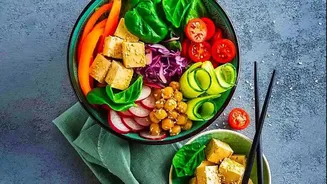
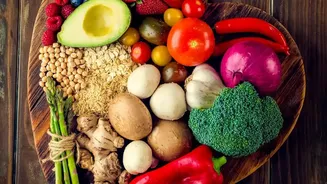
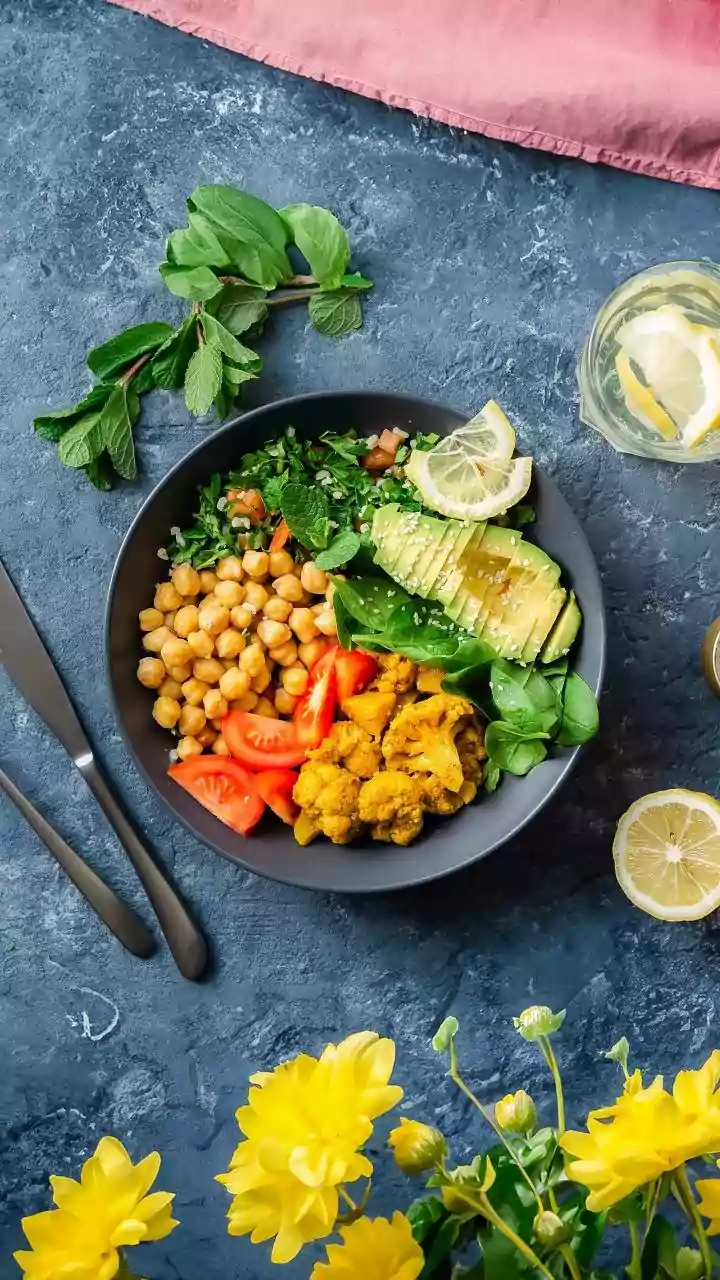
Protein is widely considered the most filling macronutrient. It takes longer for your body to digest and influences hormones like ghrelin (the hunger hormone) and leptin (the fullness hormone), helping you feel satisfied for hours. For vegetarians, getting enough protein is key. Excellent plant-based sources include legumes like lentils, chickpeas, and black beans. Soy products such as tofu and tempeh are also protein powerhouses. Even nuts, seeds, and certain whole grains like quinoa contribute valuable protein to your plate, making them essential for building a truly satisfying meal.
Fiber: The Unsung Hero of Fullness
Fiber is a type of carbohydrate that your body can't digest, and it plays a huge role in satiety. It adds bulk to your food, which physically fills your stomach, and it slows down the rate at which food leaves your stomach, prolonging the feeling of fullness. Soluble fiber, found in foods like oats, beans, apples, and carrots, forms a gel-like substance in your gut, which further enhances this effect. Meals rich in fiber from whole grains, vegetables, fruits, and legumes help prevent the sharp blood sugar spikes that can lead to cravings shortly after eating.
Complex Carbs and Healthy Fats
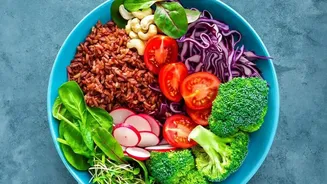
Not all carbs are created equal. Simple carbohydrates, like those in white bread and sugary snacks, are digested quickly, causing a rapid spike and subsequent crash in blood sugar. Complex carbohydrates, found in whole grains like brown rice, barley, and quinoa, as well as starchy vegetables like sweet potatoes and corn, are broken down more slowly. This provides a steady release of energy and contributes to a longer-lasting feeling of fullness. Healthy fats, from sources like avocado, nuts, seeds, and olive oil, also play a role by slowing stomach emptying and making meals more flavorful and satisfying. A little goes a long way, but including these fats is a crucial part of the satiety equation.
Building the Perfect Plate
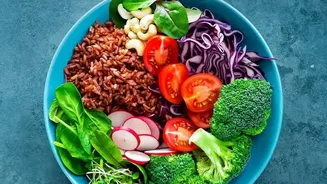
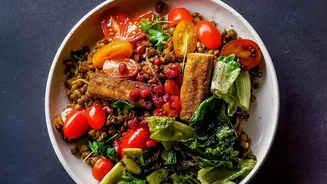
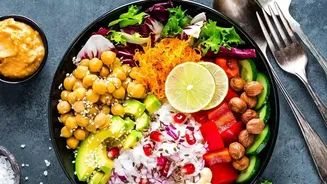
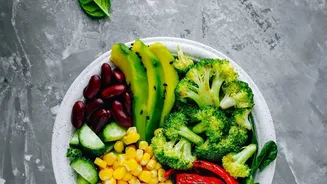
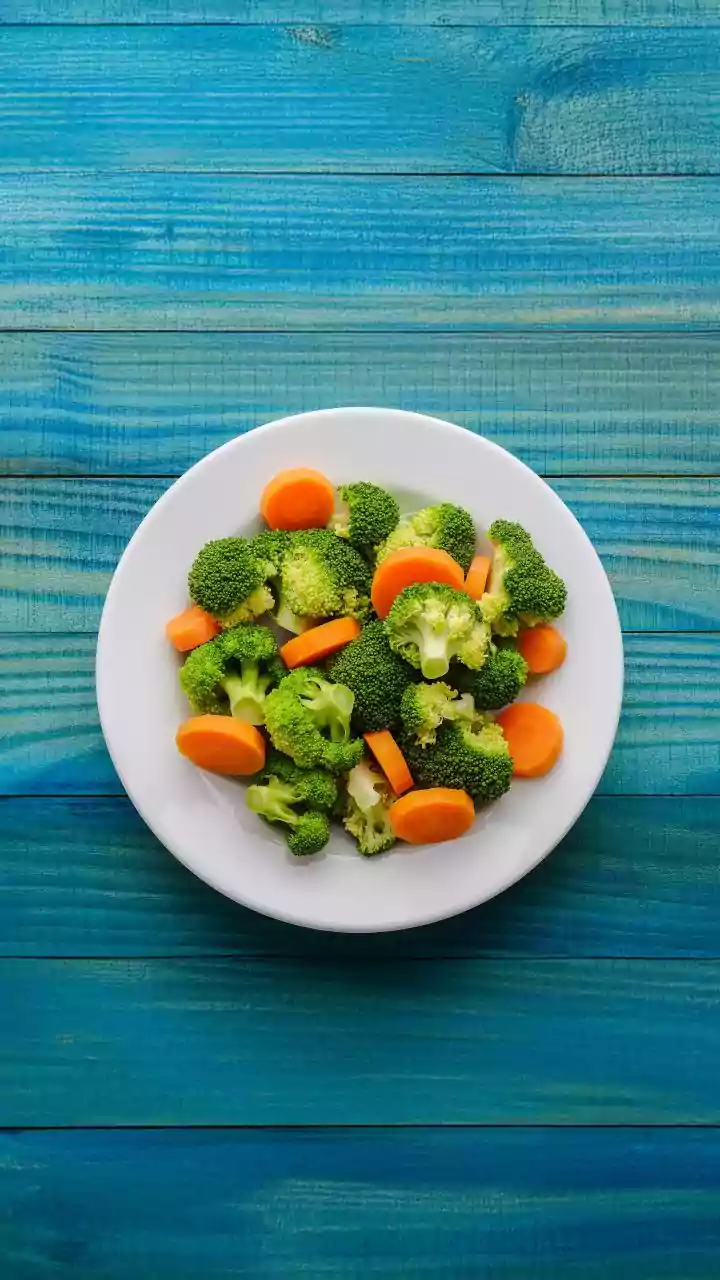
So, how do you put this all together? Think of your plate as a simple formula. Aim to fill half your plate with non-starchy vegetables for fiber and volume (think broccoli, spinach, and bell peppers). Dedicate a quarter of your plate to a solid protein source, such as a serving of grilled tofu, a cup of lentils, or a mix of beans. The final quarter should be for complex carbohydrates, like a scoop of quinoa or a small baked sweet potato. Finally, sprinkle on some healthy fats—perhaps a handful of almonds, a few slices of avocado, or a drizzle of olive oil dressing. This balanced approach ensures you're getting the powerful combination of nutrients needed to conquer hunger effectively.