









The Art of the 'Cool Mat'
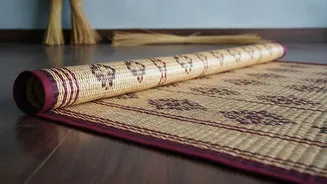
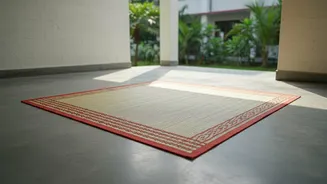
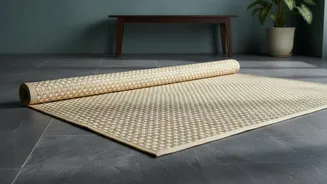
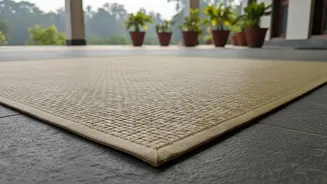
Sitalpati, which literally translates to 'cool mat', is a celebrated handicraft from the eastern regions of India, particularly flourishing in the Cooch Behar district of West Bengal. Its name is a promise: the surface of the mat remains cool to the touch,
a natural air conditioner woven from plant fibre. This unique quality has made it an indispensable part of households for generations, used for sitting, sleeping, and during religious ceremonies. The finest of these mats are said to be so smooth and seamless that a snake cannot glide across them. The craft holds such deep cultural roots that UNESCO has recognised the tradition as part of the Intangible Cultural Heritage of Humanity, highlighting its importance beyond just a physical product.
From Marshland Reed to Woven Wonder
The journey of a Sitalpati begins in the marshy wetlands where the Murta plant (Schumannianthus dichotomus), a tall, reed-like shrub, grows in abundance. While often described as a cane, this plant is the specific raw material that gives the mats their unique properties. The process is labour-intensive and traditionally divided among family members. Men typically venture into the swampy fields to harvest the green stems. These stems are then soaked and meticulously sliced lengthwise into fine, flexible strips. The quality of the final mat depends entirely on the fineness of these slips. The outermost, glossiest layer of the stem is reserved for the highest quality, most delicate work, resulting in a silky, uniform finish.
The Weaver's Intricate Dance
Once the slips are prepared, the weaving begins, a domain traditionally mastered by women. The process is a quiet symphony of dexterity. To enhance the fibre's softness and durability, the slips are often boiled in rice water and then dried, a method passed down through generations. Weavers work on a simple floor loom, interlacing the strips in diagonal and check patterns. While many mats showcase the beautiful natural beige and reddish-brown hues of the dried Murta plant, some feature vibrant geometric designs, floral motifs, or even letters woven directly into the fabric. These elaborate versions, known as 'Nakshi Pati', are canvases for the artisan's creativity, with complex patterns sometimes taking over a month to complete.
A Heritage Facing Modern Headwinds
Despite its rich history and cultural value, the Sitalpati craft faces significant challenges. The primary threat comes from the proliferation of cheap, mass-produced plastic mats, which have eroded the local market for these handcrafted treasures. Furthermore, the younger generation, seeing the labour-intensive process and low profitability, is often drawn to more lucrative jobs in urban centres, creating a risk that the intricate knowledge will not be passed down. Weavers also struggle with inconsistent income and a lack of direct access to larger markets, often relying on intermediaries. In response, institutional support has become crucial. The Geographical Indication (GI) tag granted to the Sitalpati of Cooch Behar helps protect the craft's authenticity and provides a mark of quality for consumers.
Innovation for a New Generation
To ensure the craft’s survival, artisans and cooperatives are innovating. While the traditional mat remains the cornerstone, weavers are now applying their skills to create a diverse range of contemporary products. These include stylish handbags, coasters, wall hangings, decorative boxes, and even shoes. By adapting their ancient techniques to modern tastes and utility, they are finding new markets and audiences. Government and non-profit initiatives are also helping by organising craft fairs and creating online platforms, connecting the weavers of Cooch Behar directly with customers across the country and even abroad. This blend of tradition and modernity is breathing new life into Sitalpati, ensuring that the 'cool mat' continues to offer both comfort and beauty in a changing world.