


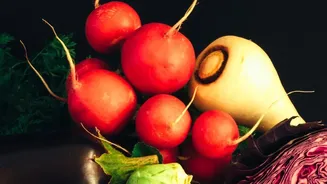

Beetroot: The Earthy Powerhouse
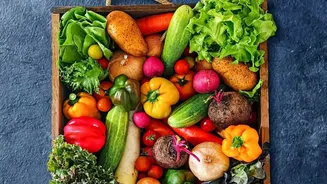
Often relegated to salads, the humble beetroot is a nutritional giant with a deep, earthy sweetness. Beets are packed with essential nutrients, including folate (vitamin B9), manganese, and potassium. They are also rich in nitrates, which the body converts
to nitric oxide. This compound can help relax blood vessels, potentially lowering blood pressure and improving blood flow. The vibrant red colour comes from powerful antioxidants called betalains, which have anti-inflammatory properties. Beyond boiling or pickling, try roasting whole beets tossed in olive oil until tender to concentrate their flavour. For a fresh twist, grate them raw into slaws for a burst of colour and crunch. You can also blend roasted beets into a brilliantly coloured, nutritious hummus or add them to smoothies for a natural sweet kick and health boost.
Sweet Potato: Nature's Versatile Candy
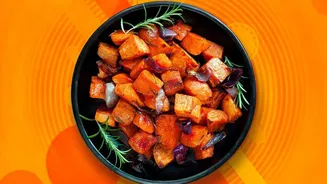
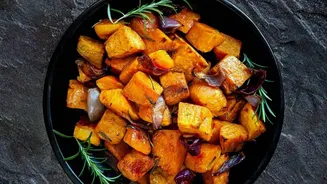
Known as 'Shakarkandi' in India, the sweet potato is prized for its comforting sweetness and incredible versatility. Its biggest nutritional claim to fame is its high concentration of beta-carotene, an antioxidant that the body converts into Vitamin A, which is crucial for vision and immune health. Sweet potatoes are also an excellent source of fibre, Vitamin C, and manganese. While less starchy than regular potatoes, they provide sustained energy. Move beyond simply boiling and roasting them for chaat. Create savoury dishes like Indian-spiced mashed sweet potatoes ('bharta') with cumin, garlic, and garam masala. Cut them into wedges, toss with spices like coriander and smoked paprika, and bake for a healthier alternative to fries. They can also be the star of hearty curries, absorbing the flavours of coconut milk and spices beautifully.
Turnip: The Peppery Underdog
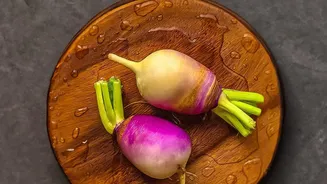
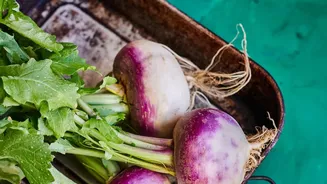
The turnip, or 'Shalgam', is a wonderfully crisp root vegetable that is often overlooked. Belonging to the same family as broccoli and cabbage, it has a slightly peppery, cabbage-like taste when raw, which mellows and sweetens upon cooking. Turnips are low in calories but high in Vitamin C and are a great source of dietary fibre, which aids in digestion. The leafy greens of the turnip are also edible and packed with nutrients. For a bold approach, thinly slice and roast turnips with a balsamic glaze until caramelized and tender. They can be mashed as a low-carb alternative to potatoes, adding a unique, pungent kick to the dish. In Indian cooking, turnips are fantastic in stews and curries, where they absorb spices well. You can also pickle them with mustard seeds and chillies for a tangy condiment.
Parsnip: The Sweet, Nutty Cousin
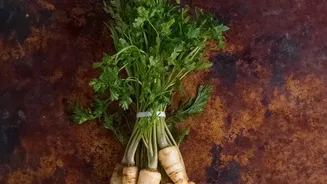
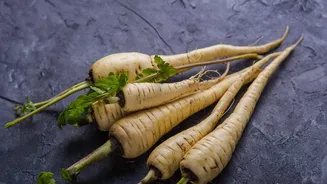
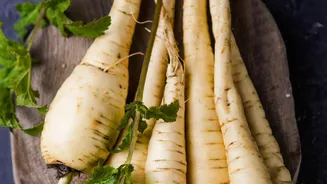
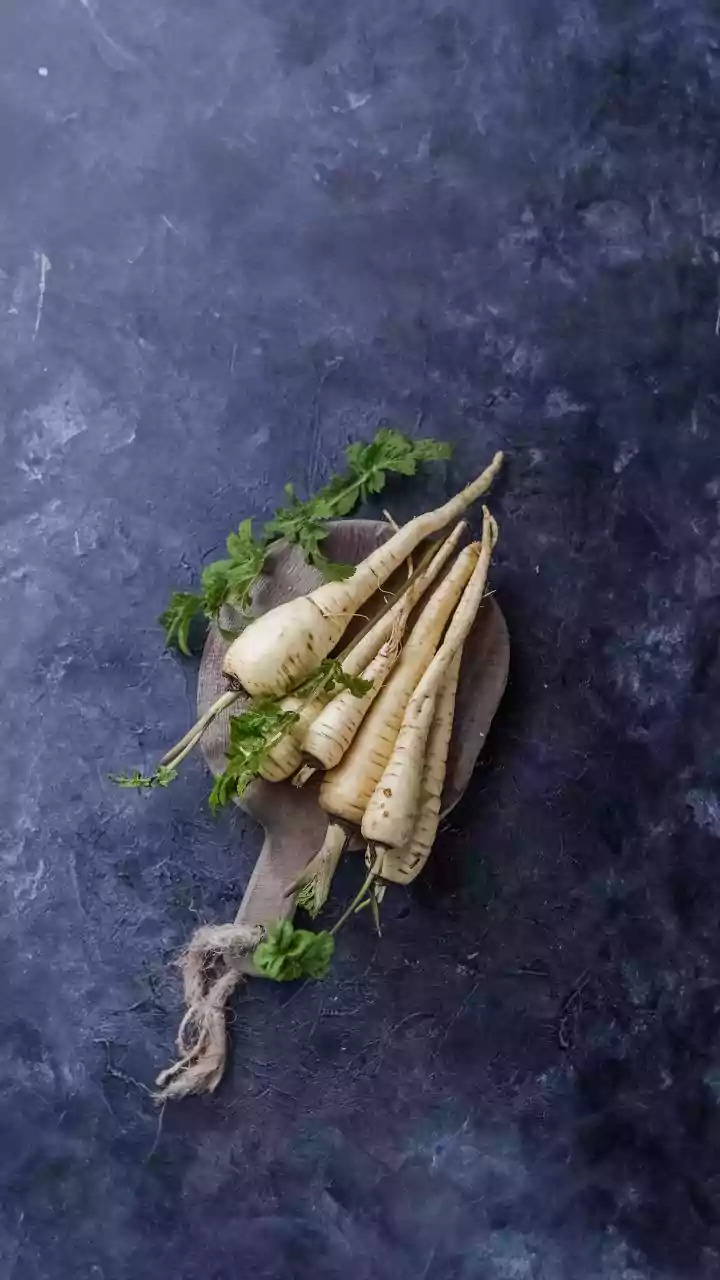
Looking like a pale, cream-coloured carrot, the parsnip has a distinct flavour profile that is much sweeter and nuttier, with an earthy depth. Parsnips are a fantastic source of soluble and insoluble fibre, promoting gut health and stable blood sugar levels. They are also rich in potassium, Vitamin C, Vitamin K, and folate. Cooking truly brings out the parsnip’s sweetness. One of the best ways to prepare them is by roasting. Toss chunks with olive oil, thyme, and a drizzle of honey or maple syrup to enhance their natural sugars. They also make a luxuriously creamy soup when puréed, especially when paired with apples or a hint of nutmeg. For a creative snack, slice them thinly with a vegetable peeler, toss with oil and salt, and bake until crisp to make parsnip chips.
Celeriac: The Unsung Hero
Don't be put off by its gnarled, brown exterior; celeriac, or celery root, is a culinary gem. Beneath the skin lies a creamy white flesh with a unique flavour—a delightful cross between celery and parsley with nutty undertones. It is low in calories, high in fibre, and an excellent source of Vitamin K, which is vital for bone health and blood clotting. It also provides a good dose of phosphorus and Vitamin C. Celeriac is incredibly versatile and can be used both raw and cooked. For a classic preparation, julienne it and toss with a creamy mustard dressing to make the French salad, céleri rémoulade. It roasts beautifully alongside other root vegetables, or it can be boiled and mashed with potatoes (or on its own) for a lighter, more aromatic purée. You can also cut it into chunks and add it to soups and stews for an unexpected layer of fresh, earthy flavour.