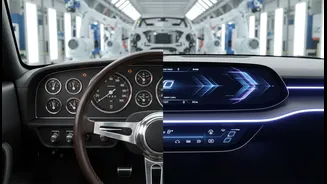







Goodbye MIDC, Hello WLTP
For years, every new car sold in India has had its fuel efficiency and emissions tested using the Modified Indian Driving Cycle (MIDC). This is a laboratory-based test that follows a fixed, predictable pattern of speeds and stops. While it has provided
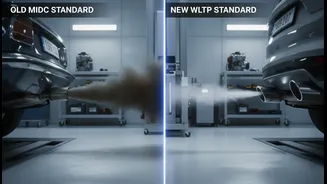
a uniform benchmark, the MIDC has long been criticized for not reflecting the chaos of actual Indian roads—the sudden stops, sharp acceleration, and varied speeds that define our daily commutes. As a result, the mileage figures claimed by manufacturers have often felt optimistic, leaving buyers wondering why they can never match the official number. Now, India is set to replace it with the Worldwide Harmonised Light Vehicle Test Procedure (WLTP), a more rigorous and dynamic global standard that the European Union adopted back in 2018. This new test is designed to simulate real-world driving conditions far more accurately.
Why the Shift to a Global Standard?
The primary driver for this change is transparency and accuracy. The WLTP cycle is longer, involves higher average speeds, more aggressive acceleration, and less idling time compared to the MIDC. It also accounts for different vehicle configurations, like variations in weight, aerodynamics, and optional extras, which can affect fuel consumption. By adopting this global benchmark, India aims to close the significant gap between the fuel efficiency figures advertised in a lab and what drivers actually experience. This aligns India's automotive regulations with international standards, fostering greater accountability from manufacturers and helping the country meet its broader environmental goals by getting a truer measure of vehicular emissions like CO2 and nitrogen oxides.
A Phased Transition, Not a Sudden Shock
The headline's mention of a "gradual transition" and "parallel reporting" is key. The full switch is not happening overnight. According to notifications from the Ministry of Road Transport and Highways (MoRTH), the new WLTP-based standards will become mandatory for new models of passenger and light commercial vehicles from April 1, 2027. The term "parallel reporting" suggests that for a transitional period, manufacturers will likely need to report both the old MIDC figures and the new WLTP figures. This dual-reporting approach would help consumers adjust to the new, often lower, numbers and understand how they compare to the figures they are used to seeing. This gradual approach gives both automakers time to adapt their testing processes and marketing, and consumers time to understand the new yardstick for fuel efficiency.
The Impact on Automakers and Car Prices
For car manufacturers, this transition requires significant adjustments. They will need to re-certify their entire portfolios of existing and new models according to the stricter WLTP protocols, which is a complex and costly process. The shift also affects Corporate Average Fuel Efficiency (CAFE) norms, which are fleet-wide efficiency targets that manufacturers must meet. The Bureau of Energy Efficiency (BEE) also plans to move CAFE standards to a WLTP-based calculation around the same 2027 timeline. While the fundamental BS6 emission limits are not changing, the new testing procedure may require some manufacturers to make engineering tweaks to meet the standards under more demanding test conditions. This could potentially lead to marginal increases in vehicle costs, though the primary change for consumers will be in the data they receive.
What This Means for the Indian Car Buyer
Ultimately, this change is a win for the consumer. When the WLTP figures become standard, the advertised mileage on a new car will be much closer to what you can expect in your daily driving. Yes, the numbers on paper will likely be lower across the board. A car previously advertised with 25 km/l under MIDC might show a figure closer to 20 or 22 km/l under WLTP. However, this isn't a drop in performance; it's a surge in honesty. This increased accuracy empowers buyers to make more informed comparisons between different models and brands, knowing that the figures are based on a more realistic test. It removes the guesswork and helps you choose a car whose running costs are more predictable, making you a smarter and more confident owner.