






The Foundation: Grains and Lentils
The backbone of any Indian kitchen is its supply of grains and dals. During the monsoon, when you want meals that are both hearty and easy to digest, these are non-negotiable. Stock up on staples like basmati rice and whole wheat atta for rotis. Keep
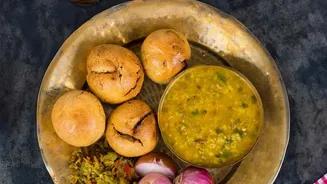
a variety of lentils such as toor (pigeon pea), moong (mung bean), and masoor (red lentil). These form the base for countless quick dishes, from a simple dal tadka to a wholesome khichdi, which is often considered a perfect monsoon comfort food. Having these on hand ensures you can always prepare a complete and nourishing meal. It's wise not to overstock, however, as the high humidity can make them susceptible to pests.
The Core Spice Box (Masala Dabba)
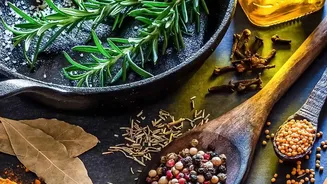
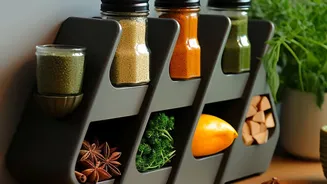
Indian cooking is defined by its aromatic spices, and a well-maintained masala dabba is crucial. Your core essentials include turmeric (haldi), cumin seeds (jeera), coriander powder (dhania), and red chilli powder. These form the flavour base for the majority of everyday Indian dishes. Beyond these, garam masala is key for adding a final touch of warmth and complexity. For monsoon-specific comfort, fresh ginger and garlic are indispensable, often used to make a paste that adds a pungent kick and is believed to aid digestion. Keeping both whole and powdered spices ensures you're ready for any recipe, from a quick vegetable stir-fry to a fragrant curry.
Long-Lasting Produce
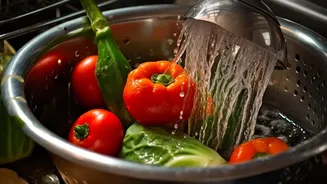
While fresh green vegetables can be harder to source and store during the rains, certain hardy vegetables are perfect for your monsoon pantry. Potatoes and onions are fundamental, serving as the starting point for a vast number of sabzis and curries. Other good options include pumpkins, sweet potatoes, and gourds, which have a longer shelf life. It is also a great time to rely on frozen vegetables like peas and corn, which allow you to add greens to your meals without worrying about spoilage. This ensures your meals remain balanced and nutritious even when a trip to the vegetable vendor isn't possible.
Quick-Cook Staples and Mixes
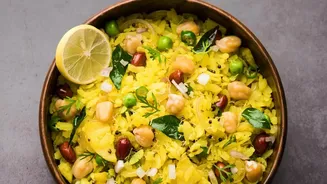
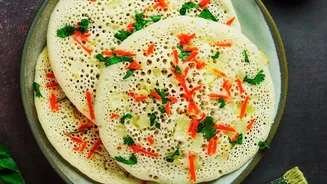
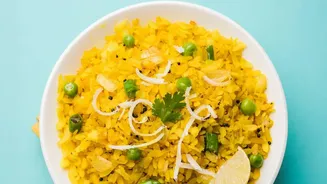
For days when you're short on time, having quick-cook items is a lifesaver. Poha (flattened rice) and sooji (semolina) are perfect for making fast and filling breakfasts like Kanda Poha or Upma. Besan (gram flour) is another monsoon hero, essential for whipping up a batch of hot pakoras or bhajiyas, the quintessential rainy-day snack. You can also stock ready-to-use items like idli or dosa batter and various multi-grain flour mixes for making thalipeeth, a savoury pancake. These ingredients drastically cut down preparation time.
Essential Pastes and Dairy
Ready-made pastes and dairy products add richness and flavour with minimal effort. A jar of ginger-garlic paste is a major time-saver for almost any savoury dish. Tomato puree or canned tomatoes provide a consistent and flavorful base for curries and sauces, especially when fresh tomatoes are of poor quality. In the dairy department, ghee is a must for its flavour and traditional health benefits. It's also wise to keep milk powder as a backup for your daily chai or coffee, in case heavy rains disrupt milk delivery. A container of yogurt (dahi) is also useful for making cooling raitas, marinades, or the comforting kadhi.
For That Comforting Cup
The monsoon season is synonymous with a hot cup of chai. Ensure you have a good stock of tea leaves or tea bags. To make the perfect adrak chai (ginger tea), a classic monsoon beverage, always have fresh ginger on hand. Adding spices like cardamom and black pepper can provide extra warmth. For a non-caffeinated option, consider stocking ingredients for soups like tomato rasam, a spicy and tangy broth that is both comforting and known for clearing sinuses. These warm beverages are the perfect accompaniment to the rainy weather.