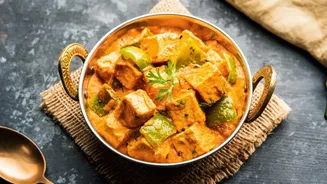









What Exactly Is an Analogue?
The term at the heart of this debate is 'analogue'. According to FSSAI, a dairy analogue is a product designed to look, feel, and function like a real dairy product, but where milk components have been partly or fully replaced by non-dairy ingredients.
In the case of paneer, this often means milk fat and protein are substituted with cheaper alternatives like vegetable oils (frequently palm oil), starches, and plant proteins. While these products aren't necessarily illegal if labelled correctly, the problem arises when they are sold or served to consumers under the simple name 'paneer', causing confusion and deception.
Why FSSAI Is Stepping In Now
The regulatory push comes after growing concerns about consumer health and fair market practices. Analogue paneer is significantly cheaper to produce, creating unfair competition for dairy farmers and honest manufacturers who use 100% milk. More importantly, the nutritional profiles are vastly different. Real paneer is a rich source of high-quality milk protein and fat, whereas analogues often contain hydrogenated vegetable fats and provide lower-quality protein. The FSSAI's move aims to protect consumers from being misled about the nutritional value and composition of what they are buying and eating. This action at the national level follows similar restrictions already imposed by several states, including Maharashtra, Gujarat, and Karnataka, creating a need for a uniform standard across India.
The Proposed New Labelling Rules
In late September 2026, the FSSAI released a draft amendment to its regulations that specifically targets this issue. The proposal is straightforward: products made from non-milk constituents will be prohibited from using the word 'paneer' in their name, on their labels, or in any marketing materials. Any product currently licensed under the 'Analogue in Dairy Context' category would have to be renamed. The regulator has opened a 60-day window for stakeholders to submit suggestions and objections before the rule is finalised. This isn't just for packaged goods; the rules would also require restaurants and caterers to clearly disclose on menus if they are using a dairy analogue instead of real paneer.
What This Means For Your Grocery Bill and Health
For the average person, this change brings much-needed transparency to the kitchen and the dining table. Clearer labels empower you to make informed decisions based on your budget and health priorities. While analogue products might be cheaper, you will now know that the lower price comes with a trade-off in nutritional quality. For instance, you will be able to clearly differentiate a product made with milk protein from one made with vegetable fat. This is especially critical for those managing health conditions who rely on the specific nutritional benefits of dairy. By preventing imitation products from being passed off as the real thing, the FSSAI ensures you get exactly what you pay for.
Part of a Bigger Picture for Food Safety
The crackdown on paneer analogues is part of a broader effort by the FSSAI to clean up food labelling in India and combat misleading claims. The regulator has also been working on front-of-pack labelling systems to clearly indicate products high in salt, sugar, and fat with prominent warning symbols. There is growing recognition that deceptive labels are a widespread issue, eroding consumer trust and potentially impacting public health. By setting clear and enforceable standards for widely consumed products like paneer, the FSSAI is taking a significant step towards creating a more transparent food environment for all Indians.